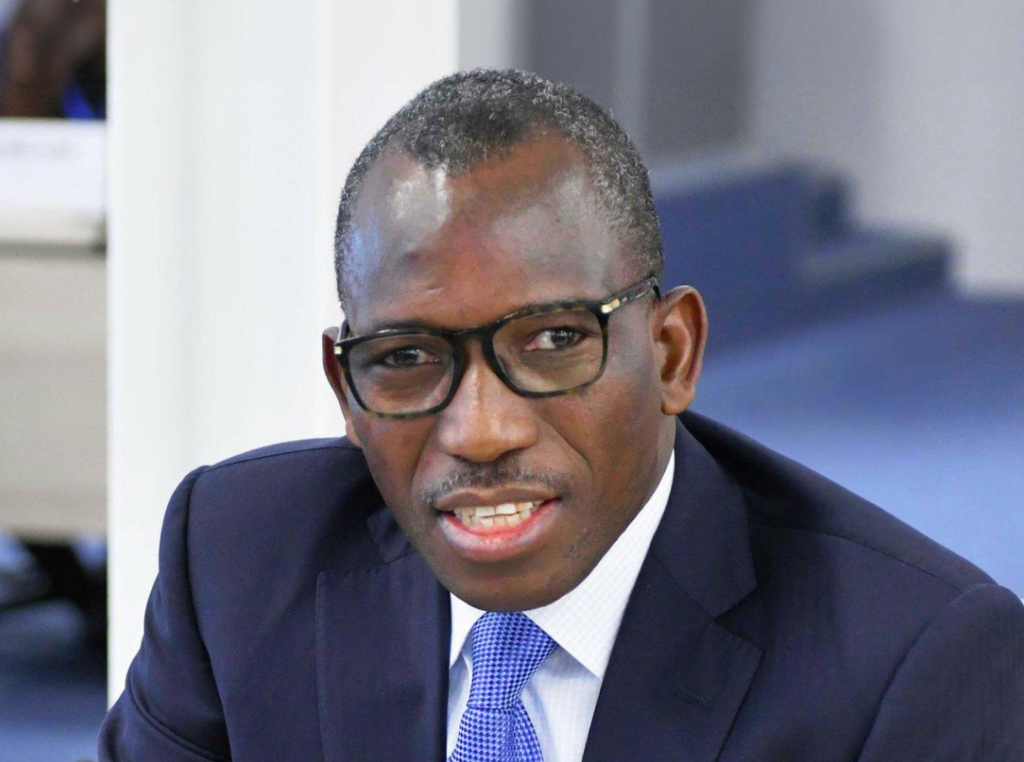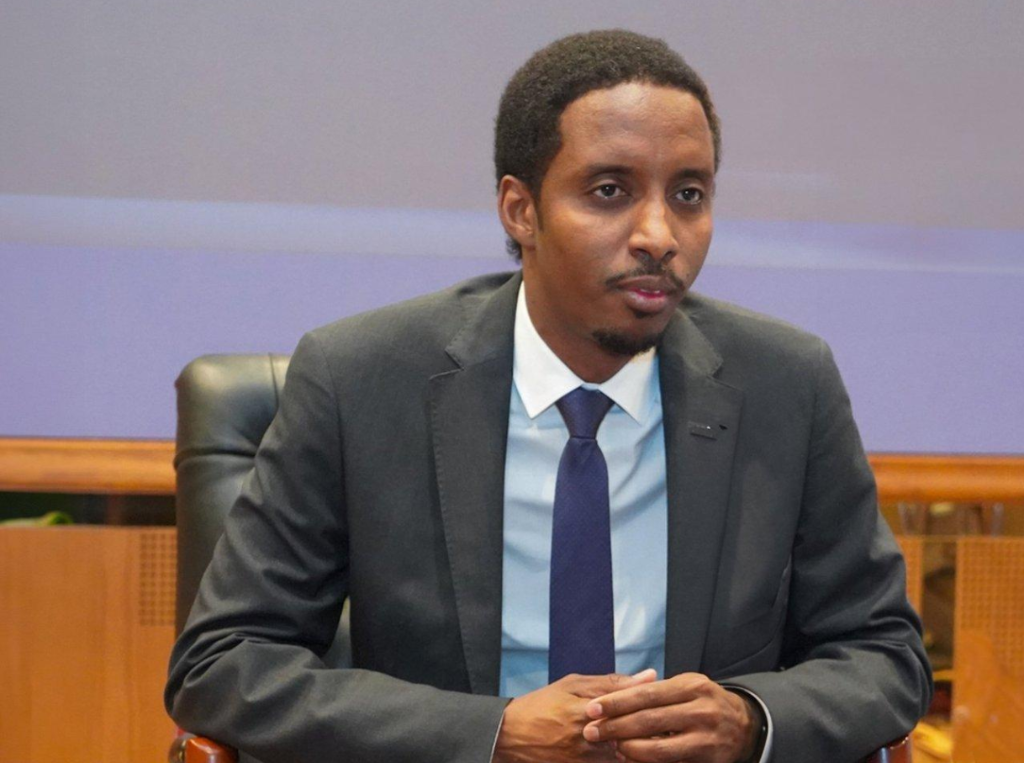
In a striking analysis shared on social media, former Cameroon Renaissance Movement (MRC) activist Salomon Beas highlights a fundamental obstacle to democratic progress across Africa: a political landscape dominated by leaders whose sole ambition is to assume the presidency without genuine commitment to transformative governance.
Leadership without vision: the democratic paradox
Salomon Beas argues that many African opposition figures enter politics with a narrow agenda—ascending to power at any cost—rather than fostering the cultural and structural evolution necessary for sustainable democracy. In a recent Facebook post, he explains that this mindset creates leaders who view governance as a personal sprint rather than a collective marathon.
« In environments where civil servants and administrators suddenly transform into political leaders without transitional preparation, democracy struggles to take root. Their only ambition is to become President of the Republic quickly, without bothering to transform the mindsets of the citizens they claim to represent. They demand unconditional support for their ambitions, sidelining dissenting voices and suppressing critical perspectives. Over time, this produces hollow political voices—followers without conviction, incapable of initiating meaningful change. Their projects fade away as swiftly as their political careers do,»
Democracy as a collective journey, not a personal conquest
Beas emphasizes that true democratic leadership requires more than ambition—it demands humility, vision, and openness to competition. He warns that when leaders refuse to acknowledge that even their lowest-ranking collaborators may possess superior political ideas, they inadvertently stifle innovation and pave the way for authoritarian resilience.
« Dictatorships thrive in such ecosystems because political reproduction becomes a resilient model that endures for years. A leader who doesn’t understand that democracy means shared convictions, long-term vision, and respect for challengers will ultimately fail—not because they lacked power, but because they ignored the people’s potential to rise above them,»
He goes further, comparing the behavior of some African party leaders to « revival church pastors » who seek blind followers rather than engaged, critical citizens capable of shaping the future.
A call for systemic transformation
Salomon Beas’s message is clear: African democracy cannot progress if leadership remains fixated on personal agendas. He advocates for a political culture where leaders prioritize the common good over individual ambition, embrace constructive opposition, and invest in the intellectual growth of their communities. Only then, he argues, can the continent break free from cycles of superficial democracy and entrenched power structures.