Ebola and conflicts double crisis in eastern DRC’s food security
Ebola and conflicts: a double crisis crippling eastern DRC
An unbearable burden on communities
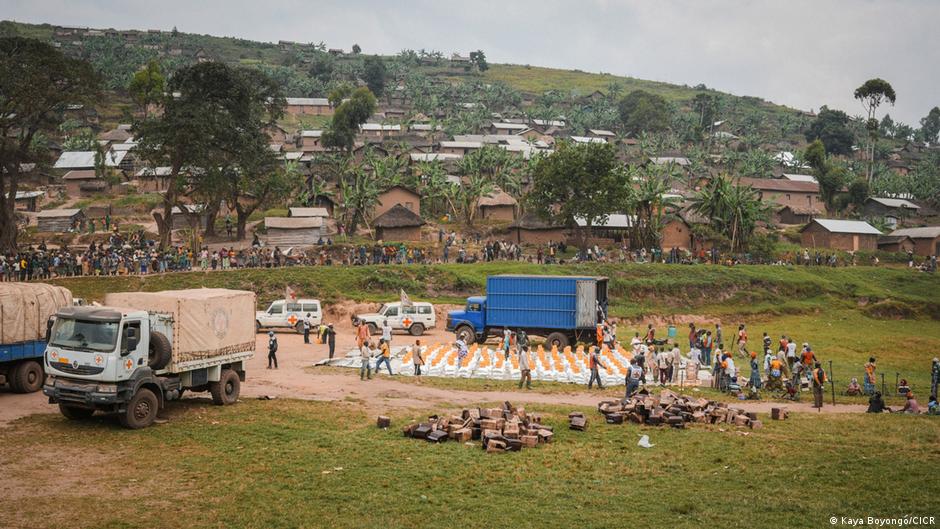
In eastern Democratic Republic of the Congo, thousands of families endure a compounded crisis. The relentless Ebola epidemic continues to loom over communities already grappling with armed violence, constant displacement, and collapsing agricultural systems. The International Committee of the Red Cross (ICRC) has recently resumed critical food and seed distributions, reaching over 80,000 people despite severe operational constraints. Yet the fundamental question remains: how can humanitarian actors deliver support when families must choose between the terror of disease and the specter of starvation?
When health crises meet humanitarian emergencies
Abdoulaye-Karim Diomande, ICRC Programs Director in the DRC, explains how the Ebola outbreak intensifies existing challenges. “The epidemic compounds the tragic consequences of years of conflict in eastern DRC, which have already devastated lives and livelihoods. The ongoing violence has repeatedly disrupted communities’ ability to recover, and each new crisis further erodes their coping mechanisms. In the hardest-hit areas, Ebola restrictions and market disruptions compound the economic strain, with the poorest households bearing the heaviest burden.
Farming on the edge of survival
Food insecurity in eastern DRC has reached alarming levels. Insecurity has forced families to abandon large portions of their farmland, concentrating agricultural activities near villages or perceived safe zones. This leads to overuse of available land, threatening long-term soil fertility. Agricultural extension services, crucial for improving yields, are severely disrupted by conflict and restricted access to displaced communities. Households’ resilience capacities are critically weakened. The situation is particularly dire in border areas, where trade restrictions and border closures disrupt the commercial exchanges that many communities depend on for survival and income.