The human rights situation in eastern Democratic Republic of the Congo (DRC) has reached an alarming level of « exceptional gravity », warned the United Nations Independent Commission of Inquiry in a recent update to the Human Rights Council in Geneva.
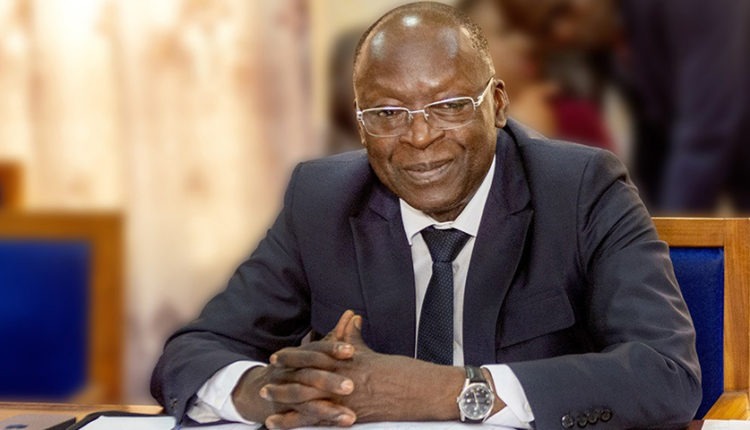
The Commission highlighted a deteriorating security environment in provinces such as South-Kivu and North-Kivu, where mass population displacements, weakened public institutions, and a complex regional conflict have intensified vulnerabilities. « The evidence we’ve gathered paints a picture of extraordinary severity, » stated Arnauld Akodjenou, Chair of the Commission.
Widespread human rights violations targeting civilians
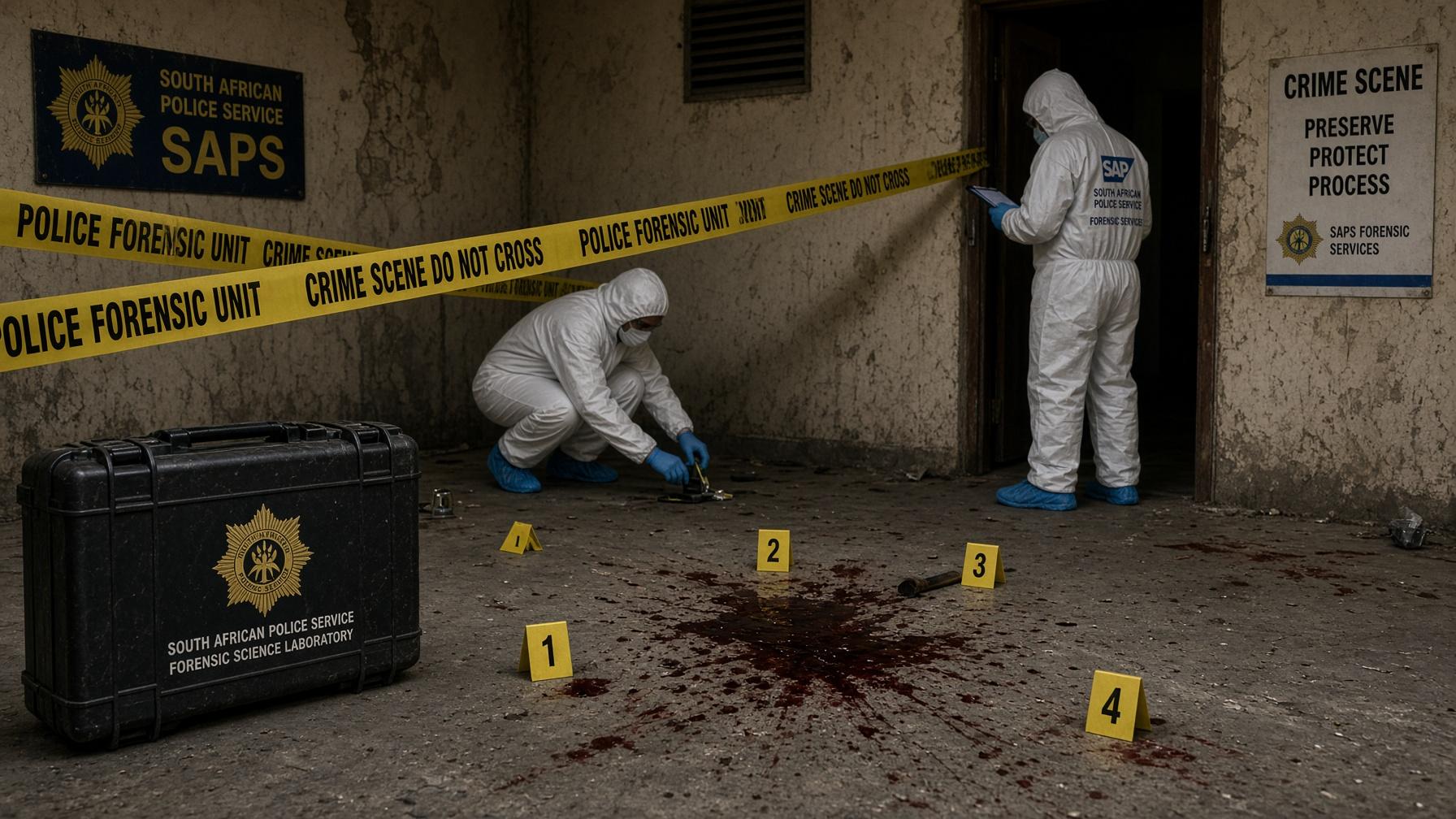
The inquiry documents severe abuses, including conflict-related sexual violence, illegal killings, arbitrary arrests, forced recruitment—including of minors—and attacks on critical infrastructure such as schools and health facilities. « Disturbing testimonies reveal systemic violence against children and sexual abuses linked to the conflict, » Akodjenou emphasized.
Vulnerable populations left unprotected
The Commission underscored that civilians in affected areas, particularly displaced persons, women, children, and marginalized communities, face heightened risks due to lack of protection. Humanitarian access is frequently obstructed, while reports of mistreatment in detention centers persist despite legal safeguards.
« No individual should face retaliation for cooperating with UN mechanisms, » warned Commissioner Clément Voule.
Preliminary findings and ongoing investigations
Established by the Human Rights Council, the Commission is tasked with examining alleged violations of international humanitarian law and human rights in eastern DRC. While its work remains in preliminary stages, it has already conducted over 50 online consultations and 30 in-person meetings with diverse stakeholders, including victims, civil society organizations, government representatives, and international partners. In early June, a mission to Kinshasa facilitated discussions with 35 civil society groups.
However, security constraints have so far prevented investigators from accessing Goma and other severely affected eastern zones, though future visits are planned when conditions permit.
A multidimensional crisis affecting all aspects of life
Beyond violence, the Commission describes a crisis impacting security, health, governance, education, and the economy. Ongoing fighting, mass displacements, and health risks—such as the Ebola epidemic—further compound the suffering of local populations.
The UN body urges all conflict parties to ensure safe, unimpeded humanitarian access, prioritizing the most vulnerable groups.
Urgent call for collective action
The Commission stresses the need to prioritize victims in efforts to combat impunity and calls on national authorities and the international community to act swiftly. Key recommendations include:
- Securing humanitarian corridors,
- Protecting human rights defenders and local observers,
- Supporting independent and credible investigations.
« The suffering documented demands more than concern—it requires rigorous investigation and decisive international commitment, » Akodjenou concluded. The Commission reaffirmed its commitment to conducting impartial inquiries aimed at establishing facts and advancing justice, in response to the pressing expectations of victims.