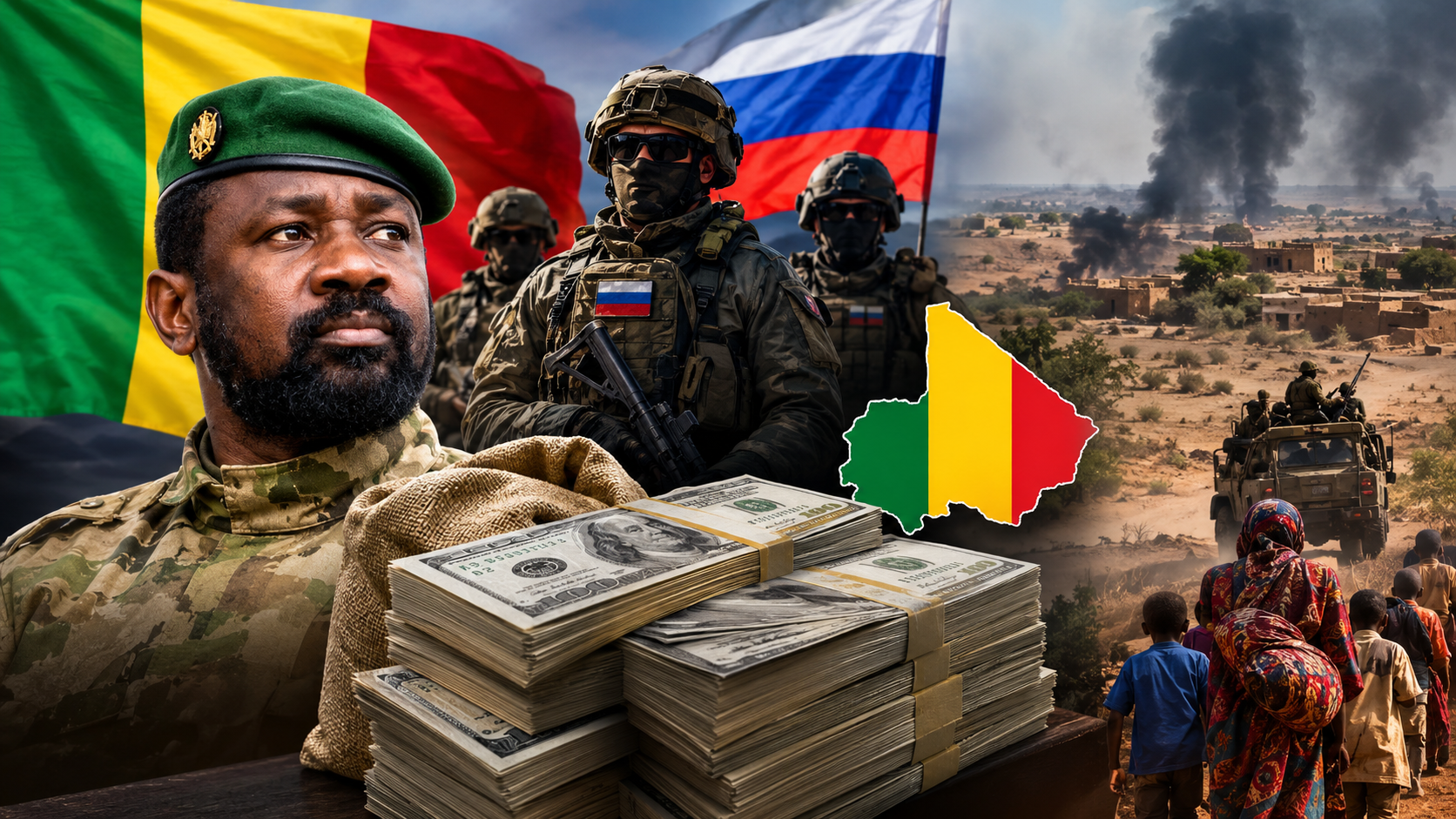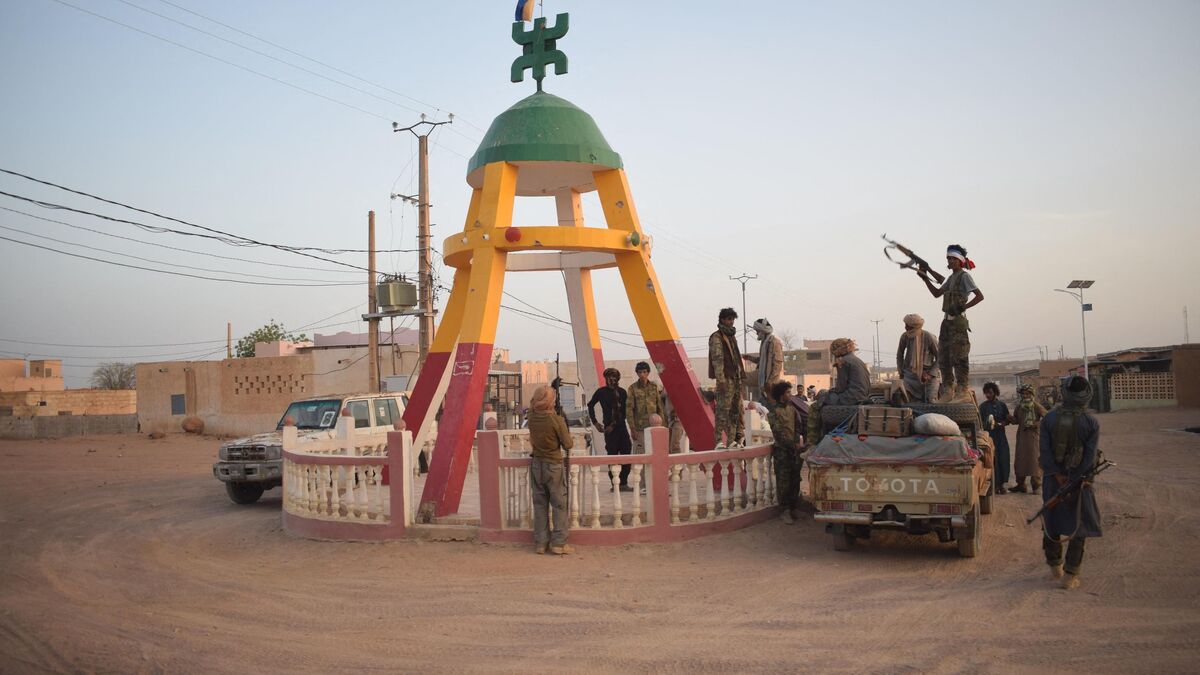
In the Sahel, where geopolitical tensions run deep, a new player has quietly emerged to take the mantle from Wagner. Africa Corps, Moscow’s latest paramilitary instrument, has been routed from a strategic stronghold in Mali—but its influence across the region persists. This weekend, rebel forces—backed by jihadist factions and Tuareg separatists—reclaimed Kidal, a key northern city long held by Africa Corps fighters. The retreat marks a rare setback for a shadowy force that has quietly reshaped the balance of power in West Africa.
Africa Corps was officially unveiled in late 2023, when Kremlin-linked military blogger Deux Majors revealed its formation on Telegram. The announcement coincided with statements from Igor Korotchenko, a former Russian colonel and pro-Kremlin commentator, who described the group as directly overseen by Deputy Defense Minister Yunus-Bek Evkurov. Its rise followed the chaotic decline of Wagner Group, whose founders—oligarch Yevgeny Prigozhin and ex-intelligence officer Dmitry Utkin—perished in a suspicious plane crash in August 2023.
Unlike its predecessor, Africa Corps operates with a more centralized command structure and a lower public profile. Its stated mission is to conduct large-scale military operations across Africa, helping allied governments break free from Western influence, expel foreign troops, and assert full sovereignty. Korotchenko framed it as a tool for decolonization—though critics see it as a vehicle for Moscow to expand its footprint on the continent.
From Wagner to Africa Corps: a strategic handover in the Sahel
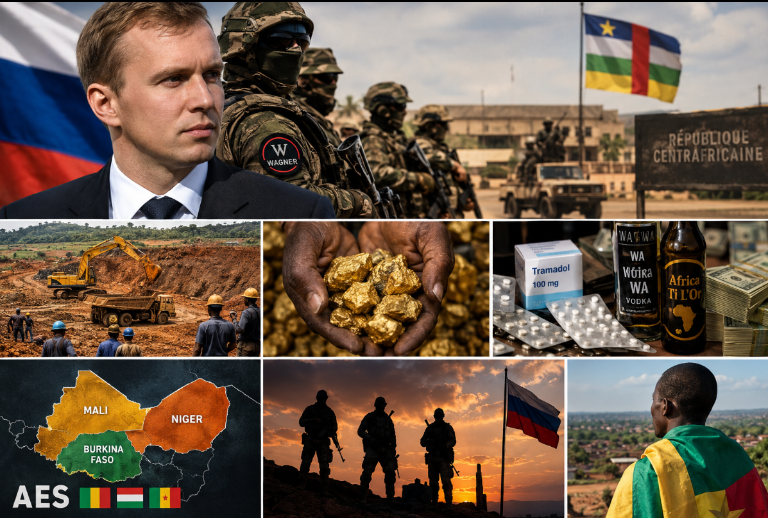
After years of operating as Wagner’s unofficial arm in Mali, Africa Corps formally took over in 2024. Hundreds of mercenaries—many former Wagner operatives—remained active in the country, supporting the military junta in Bamako against Tuareg rebels and Islamist militants. Their presence has allowed Russia to maintain influence in the Sahel even as Western forces withdraw. The Kremlin’s goals extend beyond counterterrorism: it seeks to control migration routes and secure access to lucrative mineral deposits.
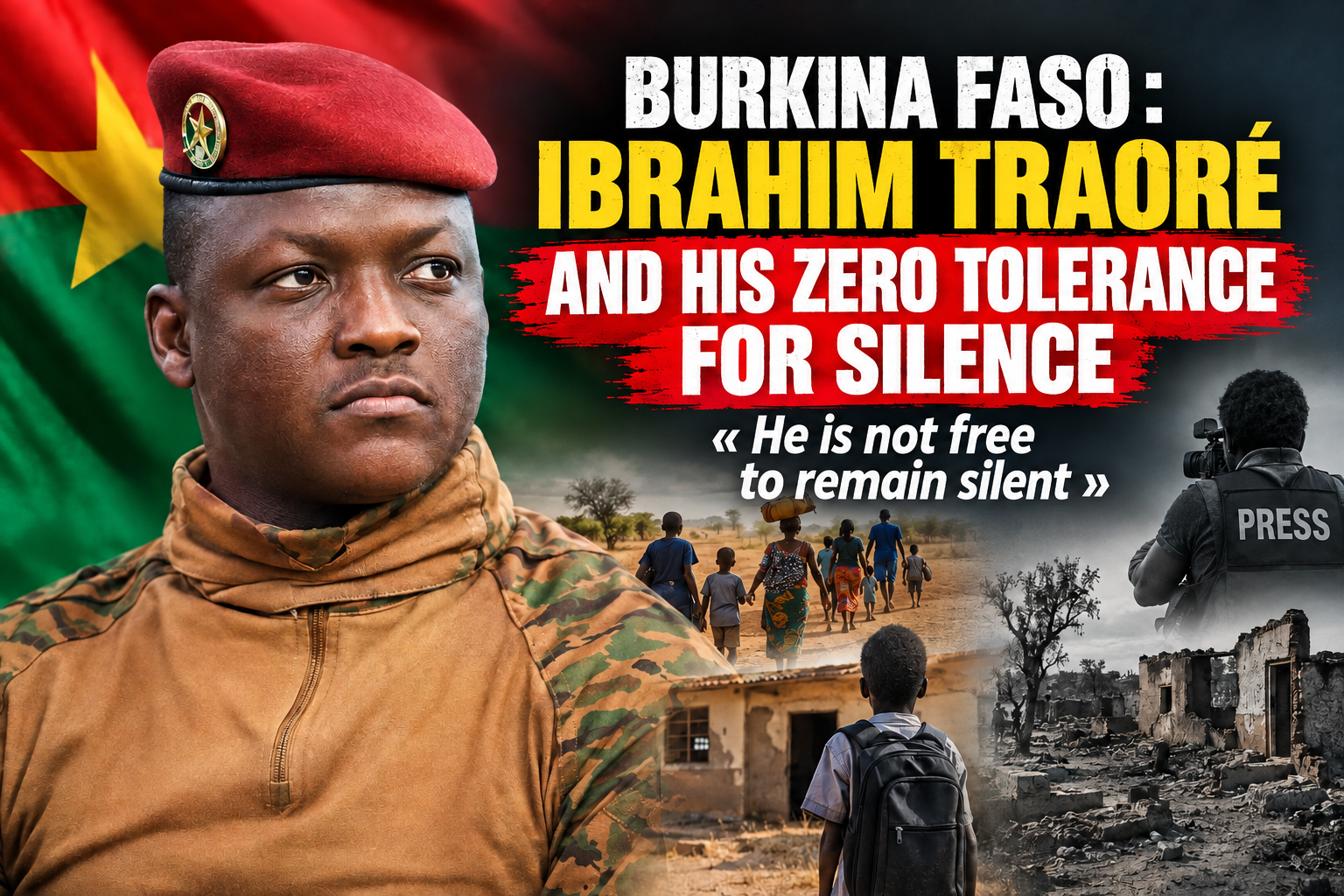
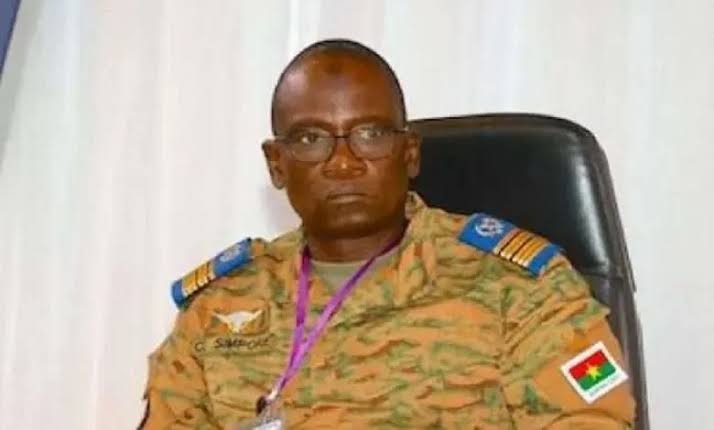
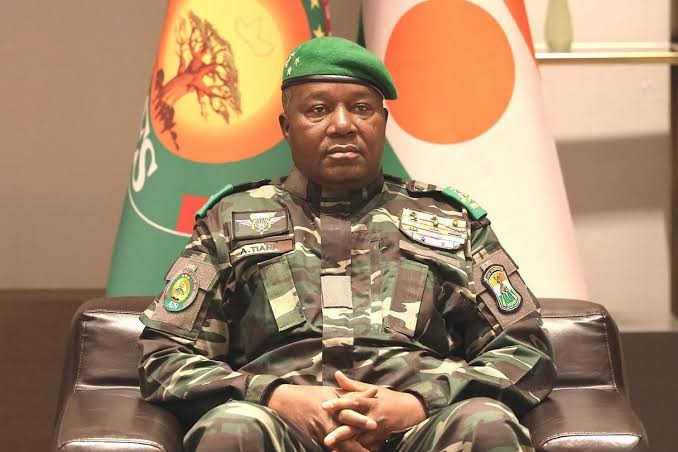
But Africa Corps’ influence is not confined to Mali. The group has expanded into Burkina Faso, Libya, Sudan, the Central African Republic, and Niger, where it provides military training, equipment, and security support to sympathetic regimes. Unlike Wagner, which became notorious for brutal tactics and human rights abuses, Africa Corps has adopted a more discreet approach—focusing on state-to-state alliances rather than large-scale combat operations.
A legacy tied to history—and controversy
The name Africa Corps is no accident. It echoes the infamous Afrikakorps, the Nazi-era German expeditionary force that fought in North Africa during World War II. The parallel is deliberate, drawing on a historical symbolism that resonates in Moscow’s messaging. While Africa Corps avoids public associations with Wagner’s darker reputation, it has not escaped international scrutiny. In 2024, the United Kingdom sanctioned the group, accusing it of widespread human rights violations and exploitation of natural resources across the continent.
As the junta in Bamako faces growing resistance, the future of Africa Corps in Mali remains uncertain. Yet one thing is clear: Russia is not walking away from the Sahel. With Africa Corps now at the forefront, Moscow is doubling down on its strategy—securing allies, controlling territory, and reshaping the region’s security landscape in its favor.