Diplomacy at work in DRC’s political crisis from the other side of the Congo river
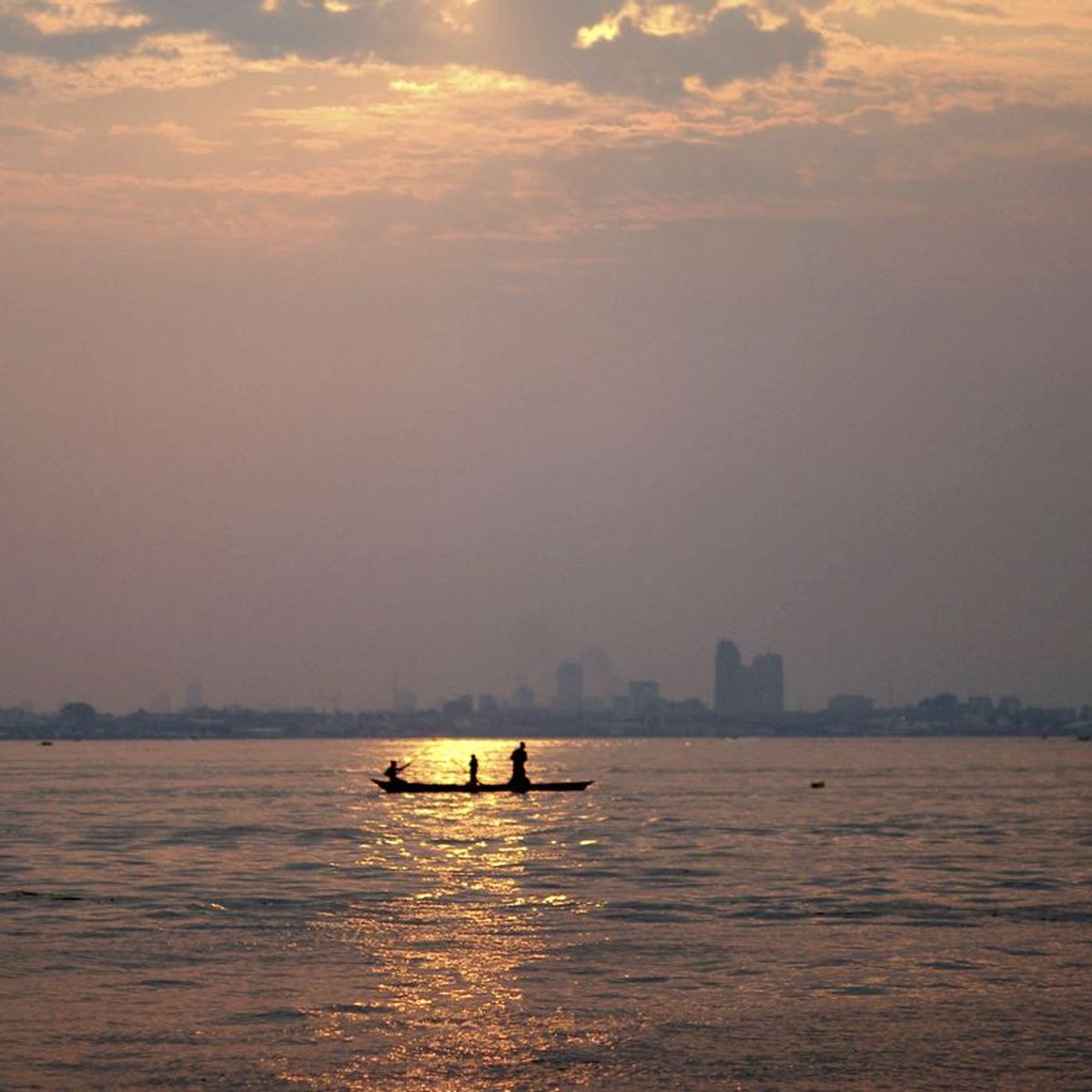
The growing political and security turmoil in the Democratic Republic of the Congo
In the Democratic Republic of the Congo (DRC), escalating political and security challenges are straining the country’s stability. The eastern regions remain embroiled in conflict as the government of President Félix Tshisekedi confronts the Allied Democratic Forces/Movement of March 23 (AFC/M23) rebellion, a situation further complicated by regional peace initiatives involving Rwanda. Meanwhile, in Kinshasa, accusations of political repression and repression of dissent are intensifying, with opposition leaders and civil society groups warning about alleged restrictions on freedoms and prospective constitutional reforms that could reshape the country’s political landscape.
Regional diplomacy emerges as a potential stabilizer
A potential breakthrough in the DRC’s crisis may be unfolding through discreet diplomatic efforts led by President Denis Sassou-Nguesso of the Republic of the Congo, who has been quietly brokering conversations between Congolese stakeholders. On July 3, President Tshisekedi traveled to Brazzaville for bilateral discussions, while Sassou-Nguesso also held meetings with influential Catholic leaders, including Cardinal Fridolin Ambongo, to address the ongoing turmoil in the DRC.
The specifics of these exchanges remain undisclosed, but on July 17, President Tshisekedi announced plans to convene a national inclusive dialogue. Cardinal Ambongo publicly acknowledged the contributions of Sassou-Nguesso and Burundian President Évariste Ndayishimiye in facilitating these discussions, suggesting that regional diplomacy may have played a role in enabling this decision—while ensuring the process remains firmly under Congolese leadership.
The role of religious institutions in shaping the dialogue
The involvement of the Catholic Church and the Church of Christ in the Congo adds a layer of credibility to the initiative, distinguishing it from purely political negotiations. This broader participation could help foster trust among rival factions and enhance the legitimacy of any agreements reached.
Key challenges and unresolved questions
Despite these developments, significant hurdles remain. The opposition and civil society continue to demand the release of political detainees, protection of freedoms of expression and assembly, assurances of fair political competition, and clarity on the necessity of constitutional reform. Questions also persist about the potential inclusion of figures linked to former President Joseph Kabila or the AFC/M23 rebellion in the dialogue process.
For its part, the government frames the crisis differently, asserting that the DRC faces ongoing attacks by an armed group allegedly supported by Rwanda. President Tshisekedi insists that any dialogue must prioritize national unity, uphold the Constitution, and safeguard the institutions established through elections. The government has treated AFC/M23-related discussions as a separate security matter, mediated internationally, reflecting its reluctance to integrate figures like Kabila or the rebels into domestic political negotiations—a stance that remains politically contentious.
What’s next for the DRC’s political future?
The presidential decree outlining the framework of the dialogue will be crucial in determining participation, agenda-setting, the procedural independence of religious leaders, and the handling of constitutional reform debates. While a comprehensive political resolution appears unlikely in the short term, a more achievable goal would be to ease tensions, strengthen civil liberties, foster trust among political rivals, and preserve the internal legitimacy needed to address the eastern Congo security crisis.
The United States holds a vested interest in the outcome, given its diplomatic investments in regional peace efforts, critical mineral cooperation, and the Lobito Corridor initiative. Washington’s role should focus on supporting—not leading—a Congolese-led dialogue. This would involve advocating for peaceful political participation, transparent constitutional processes, humane treatment of detainees, and an independent role for respected religious facilitators.
The success of this initiative will hinge not on its announcement, but on whether the government, opposition, religious leaders, and the public perceive it as credible, inclusive, and sufficiently independent to mitigate tensions and uphold constitutional legitimacy in one of Africa’s most strategically vital nations.