Diphtheria surge in Mali amid ongoing humanitarian crisis
diphtheria surge in Mali amid ongoing humanitarian crisis
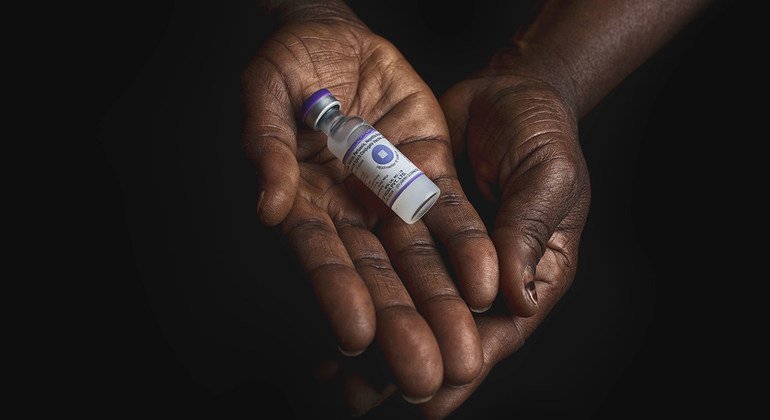
The rapid spread of diphtheria in Mali is raising alarm bells as the country grapples with a deepening humanitarian crisis. Since mid-september, the nation has witnessed a swift escalation of cases, an infection that should be preventable but thrives in a fragile healthcare system plagued by chronic shortages and increasingly restricted humanitarian access.
Escalating cases and high mortality rates
By early December, official reports had recorded over 530 cases and more than 30 deaths. However, the United Nations warns that the true toll is likely far greater due to severe underreporting. The regions of Mopti and Ségou in central Mali, along with Tombouctou in the northwest, are bearing the brunt of the outbreak, with mortality rates soaring in areas already devastated by insecurity, movement restrictions, and collapsing public services.
Barriers to healthcare access
In these high-risk zones, the spread of diphtheria is exacerbated by critical shortages of vaccines, limited healthcare access, and ongoing population displacement. The instability and violence have further disrupted supply chains, leaving remote communities without essential medical care. Mobile clinics struggle to operate, and life-saving treatments like antibiotics and antitoxins remain out of reach for many.
UN allocates emergency funds for response
In response to the crisis, Tom Fletcher, the UN’s Emergency Relief Coordinator, has released one million dollars from the Central Emergency Response Fund (CERF). This funding will support the World Health Organization (WHO) in deploying emergency medical teams, distributing vital supplies, and strengthening infection prevention, patient care, contact tracing, and community awareness campaigns.
Humanitarian challenges persist
Despite this urgent intervention, the road to recovery remains fraught with obstacles. Fuel shortages, movement restrictions, and security threats continue to hamper humanitarian efforts across central and northern Mali. Clinics are forced to scale back operations, supply chains are stretched to their limits, and the most vulnerable populations remain cut off from critical healthcare services.
The diphtheria outbreak is a stark reminder of Mali’s broader humanitarian challenges. With over a quarter of the population in need of assistance, the crisis underscores the urgent need to restore stability and rebuild the nation’s crumbling health infrastructure.
This article provides an overview of the diphtheria outbreak in Mali and the humanitarian efforts underway to combat it.