Healthcare reform in Burkina Faso lowers medical costs
breaking barriers: how Burkina Faso is making healthcare affordable for all
For years, accessing medical care in Burkina Faso felt like an unattainable luxury for many citizens. The harsh reality was that life-saving treatments and essential diagnostic procedures came with a price tag that far exceeded what most families could afford. This financial divide meant that health remained a privilege rather than a fundamental right. But a transformative reform is changing that narrative.
On March 13, 2024, the Burkinabè government took bold steps to dismantle the financial barriers that had long restricted access to healthcare. By significantly reducing the costs of critical medical exams and eliminating the mandatory deposit for dialysis in public healthcare facilities, authorities are opening doors to care that were previously locked by economic constraints.
a long-overdue lifeline for vulnerable families
In the bustling corridors of the Bogodogo University Hospital in Ouagadougou, the weight of past struggles lingers in the air. Madi Diallo shares a heartbreaking story that reflects the harsh realities faced by thousands of Burkinabè families.
« Three years ago, my sister urgently needed dialysis. The hospital demanded a deposit of 500,000 FCFA—a sum we simply couldn’t afford. By the time we managed to gather the funds, it was too late. She passed away», he recalls, his voice heavy with grief. Today, that tragic obstacle no longer exists. « The elimination of this deposit is a necessary step, but for us, it comes too late. »
Madi’s story is not an isolated case. Across Burkina Faso, countless families have been forced to navigate the impossible choice between paying for medical treatment or meeting other basic needs. The cost of diagnostic imaging, such as MRIs and CT scans, often pushed patients into crippling debt or forced them to abandon treatment altogether.
from privilege to right: the impact of cost reductions
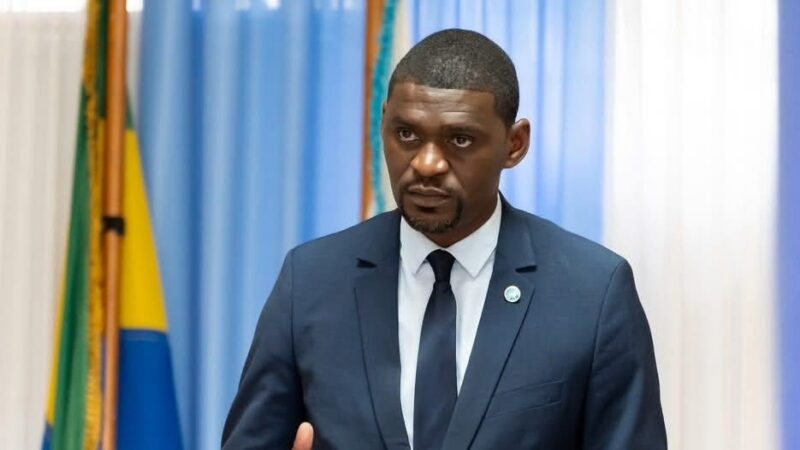
The reform, announced by Dr. Robert Lucien Jean Claude Kargougou, Minister of Health, during the Council of Ministers meeting on March 13, 2024, introduced sweeping changes to the pricing structure of public healthcare services. Among the most notable adjustments were:
- CT scans: Previously priced at 50,000 FCFA, they now cost 25,000 FCFA—a 50% reduction.
- MRIs: The cost dropped from 100,000 FCFA to 40,000 FCFA, making these essential scans far more accessible.
- Dialysis: The mandatory deposit of 500,000 FCFA was completely scrapped, allowing patients to begin life-saving treatment without an upfront financial burden.
These measures have been met with widespread approval, particularly among low-income families who had long been excluded from specialized care due to financial constraints. The reform is not just about lowering costs—it’s about restoring dignity and giving hope to those who need it most.
real results on the ground
To assess the impact of these changes, our team visited several public healthcare facilities, including the Bogodogo University Hospital, the Regional Hospital of Ziniaré, and the Sourou Sanou University Hospital in Bobo-Dioulasso. The findings were striking.
At the Bogodogo University Hospital, patient Élodie Nikiéma Ouédraogo underwent an MRI after noticing concerning symptoms. She was pleasantly surprised by the new pricing.
« The exam cost me just 40,000 FCFA, including all materials. Elsewhere, the same procedure can cost up to 150,000 FCFA or more. This saving has been a huge relief, allowing me to continue contributing to my tontine and meet my other financial obligations», she explains. For her, the reform isn’t just about affordability—it’s about reclaiming a sense of normalcy and stability.
The impact extends beyond individual savings. At the Ziniaré Regional Hospital, the reforms have drastically reduced the need for patients to travel to the capital for care. Seydou Nombré, Director General of the hospital, highlights the broader benefits:
« Since the implementation of the cost reductions, we’ve seen a significant decrease in referrals to Ouagadougou. Patients can now receive the imaging exams they need locally, which not only saves them money but also speeds up their treatment», he says. This shift is improving the efficiency of the entire healthcare chain.
dialysis: a second chance at life
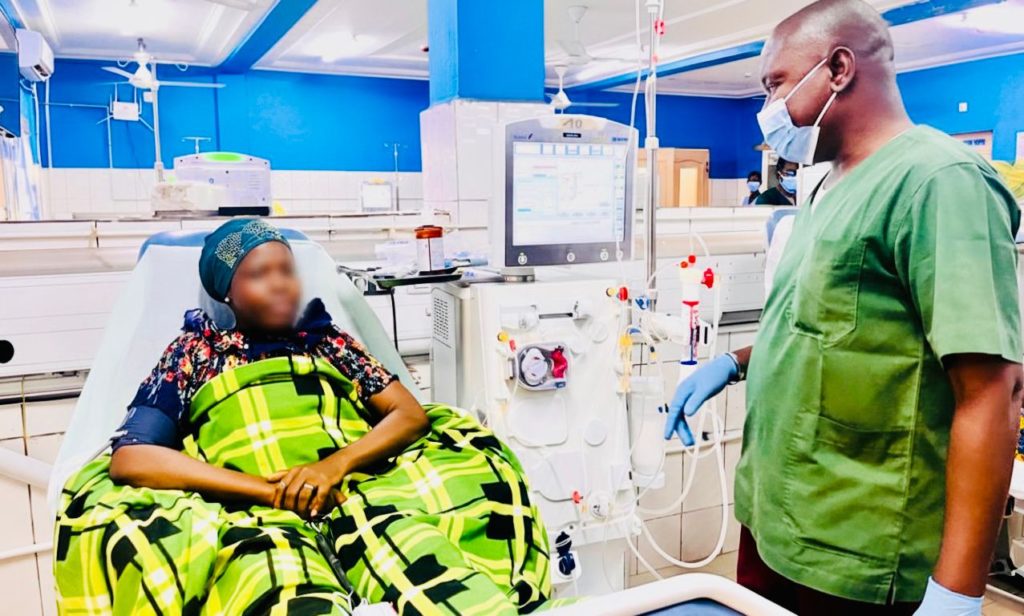
The elimination of the 500,000 FCFA deposit for dialysis has been a game-changer for patients suffering from kidney failure. Tuina Nsoma Hélène, head of the dialysis unit at the Yalgado Ouédraogo University Hospital, explains the significance of this change.
« Before the reform, many patients couldn’t afford to start dialysis because of the deposit. Now, they can begin treatment immediately, without the added stress of finding funds upfront», she says. Since the reform, 16 new patients have been able to join the dialysis program without the previous financial hurdle.
However, challenges remain. The limited number of dialysis machines means that the service is still under immense pressure. « A death frees up a spot for a patient on the waiting list», Hélène notes, underscoring the urgent need for additional equipment and staff.
Despite these limitations, the reform has already made a tangible difference. Dame Salimata Traoré Sanou, a dialysis patient since 2018, shares her story:
« I started my treatment two years after my diagnosis because the cost of the deposit was too high. Today, with the deposit removed, I can focus on my health without the constant worry about finances. It’s a relief that I never thought I’d see», she says.
a step forward, but challenges remain
While the reduction in medical costs and the elimination of the dialysis deposit are undeniable victories, they are not a complete solution. Long waitlists, a shortage of medical equipment, and the need for additional healthcare infrastructure continue to pose challenges. Dr. Hamidou Sawadogo, a nephrologist at the Sourou Sanou University Hospital in Bobo-Dioulasso, emphasizes the need for further action:
« The majority of our dialysis patients were already in treatment before the reform. Since its implementation, we’ve only been able to accommodate 17 new patients. There’s a critical need for more dialysis centers, additional machines, and trained staff to meet the demand», he explains.
Patients like Youl Sié, who has been undergoing dialysis since 2021 due to chronic hypertension, echo this sentiment. He calls for the decentralization of dialysis centers to make treatment more accessible in rural areas.
« Every time I need treatment, I have to travel far from home, which disrupts my family life and my children’s education. If dialysis centers were available closer to our communities, it would make a world of difference», he says.
measuring the impact: a year of progress
A year after the reform was implemented, the numbers speak for themselves. At the Yalgado Ouédraogo University Hospital, the number of CT scans performed has increased by 38%. This surge reflects the pent-up demand for affordable healthcare and the success of the government’s initiative.
Professor Nina Astrid Ouédraogo, Head of the Radiology and Medical Imaging Department at the hospital, notes the positive impact on patient care:
« More patients are now able to access the imaging exams they need, which allows us to diagnose and treat conditions earlier. It’s a relief for both patients and healthcare providers», she says.
the road ahead: building on progress
The Burkinabè government’s commitment to making healthcare more affordable is a commendable step forward. However, the journey is far from over. Addressing the structural challenges—such as the shortage of medical equipment and the need for more healthcare facilities—will be critical to ensuring that the right to health becomes a reality for all citizens.
Despite these hurdles, the progress made so far is undeniable. For the first time in years, patients can walk into public hospitals without the fear of unaffordable bills. The reform is not just about lowering costs—it’s about restoring hope, dignity, and the fundamental right to health.
In a country known as the « Land of Upright People », this reform is a testament to the belief that health should never be a privilege. It’s a small step forward, but it’s a step in the right direction.
voices of change
The stories of patients and healthcare providers alike paint a vivid picture of the reform’s impact. From the relief of families who can now afford life-saving treatments to the dedication of medical staff working tirelessly to meet the growing demand, the changes are reshaping the healthcare landscape in Burkina Faso.
While the road ahead is long, the progress made in the past year offers a glimmer of hope. With continued investment in healthcare infrastructure and a commitment to accessibility, Burkina Faso is on a path to ensuring that health is a right, not a privilege.