Democratic Republic of Congo cracks down on TikTok over rebel propaganda
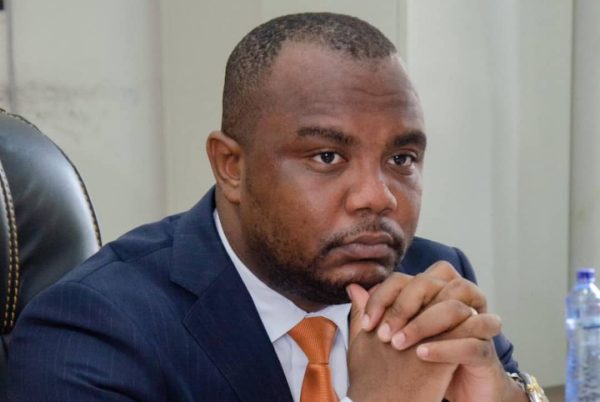
Christian Bosembe, Chair of the Higher Council for Audiovisual and Communication (CSAC), has taken decisive action against the proliferation of rebel propaganda on TikTok in the Democratic Republic of Congo (DRC). The regulator announced the impending shutdown of accounts linked to the AFC-M23 rebellion, which is accused of spreading destabilizing narratives across the platform. Negotiations with TikTok’s leadership are already underway to implement this measure, signaling a firm stance against digital threats to national security.
Bosembe’s frustration stems from the presence of accounts belonging to individuals like Corneille Nangaa, whom he labels a terrorist leader. These accounts, he argues, operate with impunity, propagating content that undermines public order and endangers civilians in a nation already grappling with conflict. The regulator condemns this lack of accountability, comparing it to the permissiveness shown toward extremist groups in other countries.
Why is TikTok in the regulator’s crosshairs?
The CSAC highlights a stark double standard. Bosembe questions whether platforms like TikTok would tolerate accounts for groups like Hezbollah in France or Al-Qaeda in the United States. His answer is a resounding no—yet in the DRC, rebel propaganda circulates freely. This glaring inconsistency, he asserts, is not only unacceptable but also a betrayal of the state’s duty to protect its citizens. With no satisfactory response from TikTok, the regulator has opted for a bold solution: a full ban on the platform.
Bosembe’s resolve is rooted in the CSAC’s mandate to uphold public safety and national unity. He points to Gabon as a precedent, where TikTok was similarly shut down to curb destabilizing influences. The move underscores the DRC’s commitment to asserting digital sovereignty amid a relentless information war.
Rebel violence and the role of social media
The AFC-M23 rebellion stands accused of orchestrating atrocities against civilians in eastern DRC, including mass displacements and systematic terror campaigns. Kinshasa alleges that these operations are coordinated with external actors seeking to exploit the country’s mineral wealth. For Bosembe, severing the rebels’ digital lifelines is not just a regulatory measure—it’s a necessity to preserve stability.
« At some point, the Congolese state must reclaim its dignity », he insists. « And to do so, it must shut down these networks that serve as megaphones for our enemies ». His words reflect a broader struggle for control over the narrative in a region where misinformation and propaganda fuel conflict.
The CSAC’s decision also ignites a wider debate on digital sovereignty in the DRC. As social media platforms become battlegrounds for ideological warfare, Kinshasa is determined to reclaim authority over platforms it accuses of amplifying enemy voices. This crackdown could herald a new era in how the country regulates social media during times of crisis.