Democracy under pressure across africa’s Sahel region
The African continent today presents a complex political landscape where democratic advances coexist with troubling setbacks. While some nations showcase robust democratic traditions, others face severe challenges threatening hard-won freedoms. This delicate balance defines the current political climate in sub-Saharan Africa, where nations like Mali, Burkina Faso and Niger confront unique democratic pressures.
The Sahel region remains at the center of this transformation, experiencing both military interventions and growing demands for accountable governance. From the Atlantic coast to the Sahara’s edge, the region’s political trajectory reflects broader continental trends where democratic resilience battles against authoritarian drift.
Military takeovers and democratic erosion
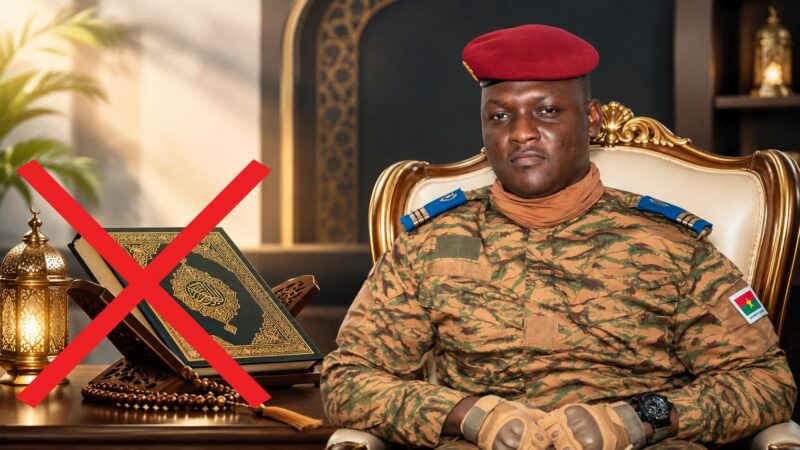
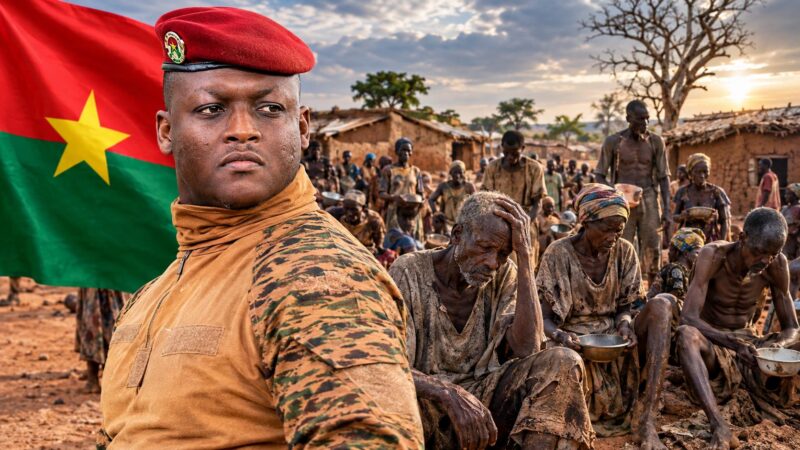
Recent years have seen a concerning trend in the Sahel, with military juntas consolidating power in several nations. Burkina Faso, Mali and Niger have all experienced constitutional disruptions that have fundamentally altered their political trajectories. These changes often stem from public dissatisfaction with governance failures, yet frequently result in further restrictions on political freedoms and civil liberties.
The consequences extend beyond immediate political shifts. Constitutional amendments designed to extend presidential terms and suppress opposition voices have become increasingly common across the region. These developments raise serious questions about the future of democratic institutions in countries that were once seen as democratic success stories.
Election integrity and political competition
While elections continue to be held across the continent, their credibility remains a persistent concern. Reports highlight instances where electoral processes have been delayed, manipulated or outright rejected by opposition groups. The competitive nature of these contests often becomes secondary to maintaining political control, undermining public trust in democratic mechanisms.
Media freedom faces particular challenges, with independent journalism increasingly restricted. Civil society organizations report growing difficulties operating in environments where dissent is systematically suppressed. These pressures create a climate where genuine political alternatives struggle to emerge.
Democratic bright spots across the continent
Despite these challenges, several African nations demonstrate that democratic progress remains possible. Senegal stands out as a country where peaceful transfers of power continue to occur through electoral processes. The recent political transition in this West African nation serves as a testament to the enduring appeal of democratic governance when institutions function effectively.
Research from Afrobarometer reveals that African citizens overwhelmingly support democratic principles. The surveys indicate strong desires for greater transparency, enhanced citizen participation and robust accountability from political leaders. These findings suggest that the continent’s democratic aspirations remain deeply rooted, even in challenging circumstances.
The youth movement driving change
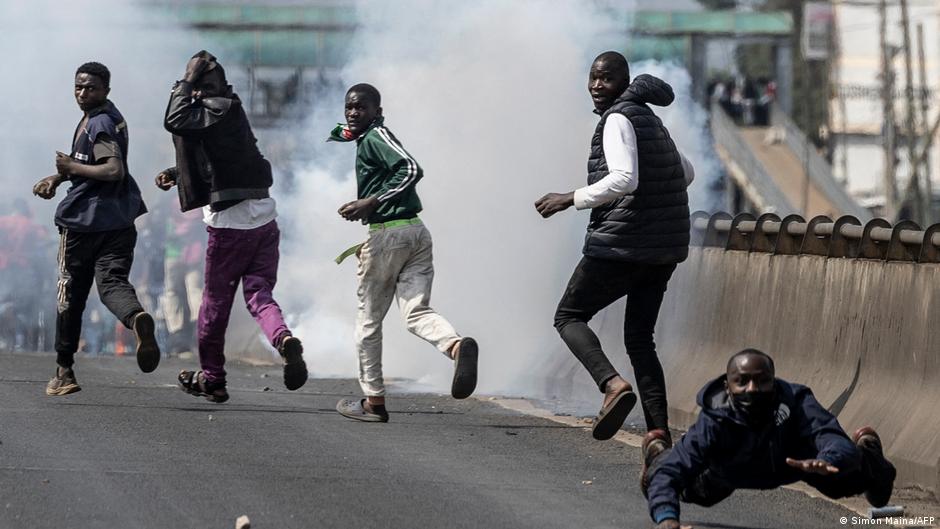
Africa’s young population represents a powerful force for democratic renewal. Across the continent, youth-led movements are demanding fundamental reforms including electoral transparency, corruption eradication and improved economic opportunities. These activists are reshaping political discourse by insisting on governance models that address their generation’s needs and aspirations.
Their calls for change resonate particularly strongly in countries experiencing democratic backsliding. From urban centers to rural communities, young Africans are organizing both online and offline to challenge entrenched political elites and demand responsive governance.
Critical challenges ahead
The coming years will prove decisive for Africa’s democratic future. Several key challenges demand immediate attention:
- Restoring constitutional order in countries governed by military juntas
- Ensuring the independence of electoral and judicial institutions
- Enforcing presidential term limits as established in national constitutions
- Protecting fundamental freedoms including press freedom and political dissent
- Addressing pressing socio-economic concerns that fuel political instability
The path forward requires balancing security imperatives with democratic principles. International observers note that sustainable solutions must emerge from within African societies themselves, with solutions tailored to each nation’s unique context and history.