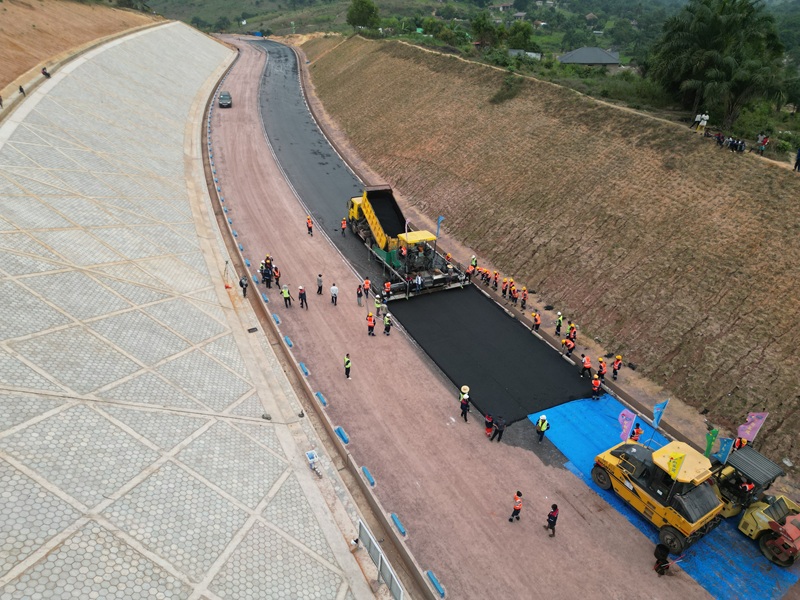
The Sino-Congolese infrastructure programme, a cornerstone of the Democratic Republic of the Congo’s development strategy, is facing severe setbacks as critical construction materials remain stranded at customs. Despite robust financial, technical, and institutional backing, the blockage of essential supplies—particularly asphalt—has brought multiple projects to a near standstill, with no clear resolution in sight.
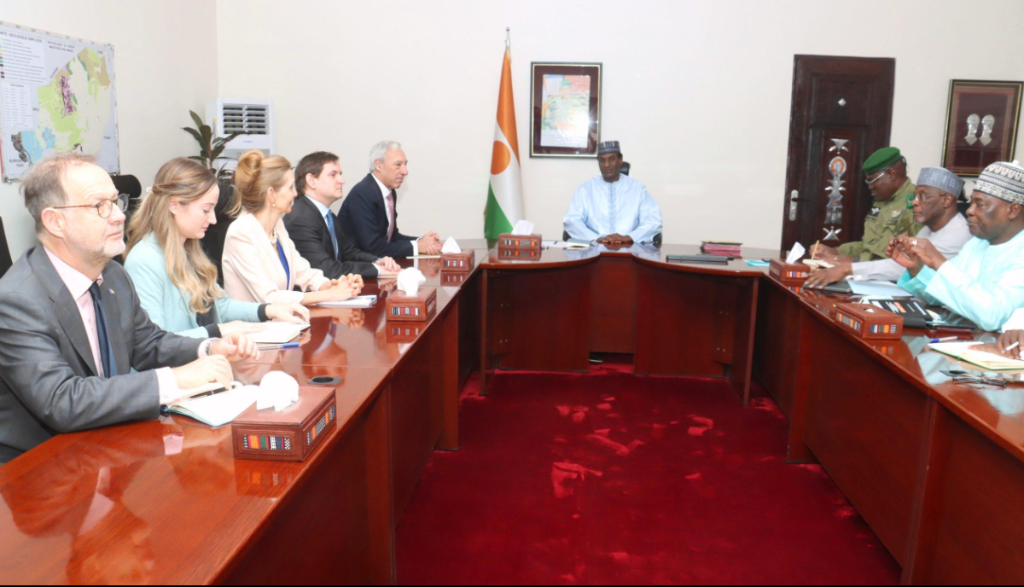
Nico Nzau Nzau, Director-General of the Congolese Agency for Major Works (ACGT), raised the alarm this week during a high-level meeting with Infrastructure Minister John Banza, highlighting the severe impact on road construction timelines. The delay stems from the prolonged detention of over 1,477 tonnes of asphalt at the Port of Matadi, originally scheduled for delivery in January 2026. This cargo, imported by SISC SA under the programme’s tax-exempt provisions, has been held up for more than six months, despite its exemption under Law No. 14/005 of February 11, 2014 and the Avenant No. 5 to the 2024 Cooperation Agreement.
Government intervention urged as projects risk collapse
The Minister of Infrastructure underscored the gravity of the situation, noting that while progress has been made on several fronts—such as the ongoing revetment works on major roads—the customs impasse threatens to derail the entire initiative. Key projects at risk include the South-East and South-West Ring Roads of Kinshasa, the Manterne–Tshela–Singini route, the Kananga–Kalamba Mbuji road, and the RN1 segment between Mbujimayi and Nguba. The delay is particularly damaging during the dry season, traditionally the most productive period for construction.
Critical infrastructure at risk of delay
The blockage also extends to other essential materials, including 1,650 tonnes of asphalt destined for the Mbujimayi–Nguba rehabilitation and heavy machinery—such as concrete plant components for the Idiofa Stadium—currently detained at various customs posts. These setbacks risk pushing back the completion of flagship projects like the General Reference Hospital of Kikwit, where construction of 17 new buildings and modernization of 11 existing ones have already expanded capacity from 150 to 650 beds—along with a morgue increase from 9 to 90 bodies.
Minister Banza, leading an inspection caravan across Grand Bandundu and other regions, confirmed that while initial assessments of the programme’s execution have been positive, the customs logjam now poses a national development challenge. He called for urgent intervention from the Agency for Monitoring and Coordination of Conventions (APCSC), which serves as the liaison between stakeholders and is responsible for expediting clearance for infrastructure projects under this programme.
Legal exemptions ignored, stakeholders demand action
The issue has exposed systemic inefficiencies in customs processing, with multiple requests for tax relief and indirect duty waivers—guaranteed under the programme’s legal framework—remaining unresolved for months. Industry observers warn that without immediate coordination between the APCSC, customs authorities, and project stakeholders, the programme’s ambitious targets may never be met, leaving the population without much-needed modern infrastructure.
As the dry season progresses, the pressure to deliver these projects intensifies. Yet, without the release of critical materials, the timeline for the completion of roads, hospitals, and public facilities hangs in the balance—jeopardizing both economic progress and public welfare in the Democratic Republic of the Congo.