East DRC conflict: Russia claims Ukraine backs M23 rebels
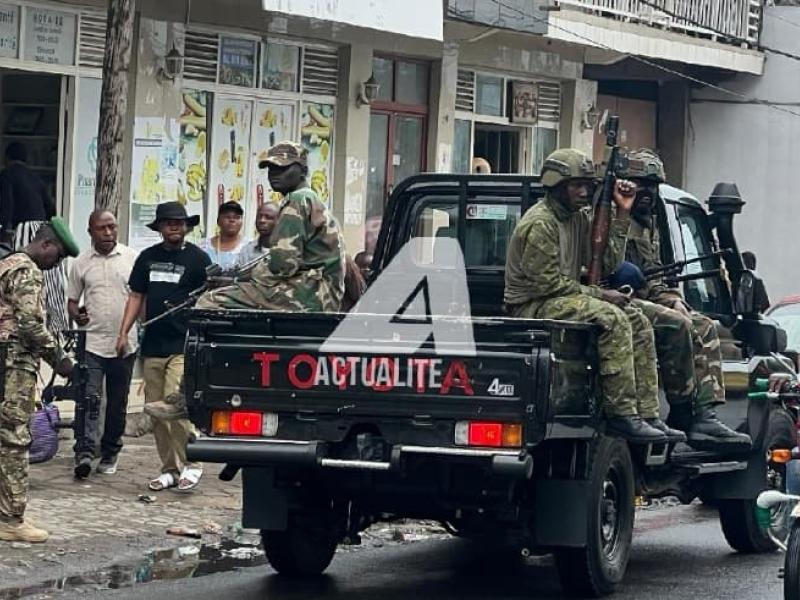
In a fresh twist to the escalating tensions in eastern Democratic Republic of the Congo (DRC), Moscow has leveled serious allegations against Kyiv, accusing it of providing external support to the M23 rebel group. This dramatic development emerged during a joint press conference in Bujumbura, Burundi, where Russian Foreign Minister Sergey Lavrov delivered his remarks alongside his Burundian counterpart, Édouard Bizimana.
The Russian diplomat minced no words in condemning what he described as blatant foreign interference in African affairs, particularly in the DRC. According to Lavrov, Kinshasa—with strong backing from Bujumbura—is currently facing aggression from the M23 movement, which he claims receives direct assistance from external actors, including Ukrainian operatives.
« We are witnessing clear attempts at foreign interference in African affairs, especially in the Democratic Republic of the Congo. The legitimate authorities of this nation, with the support of Burundi, are today confronting aggression by the so-called M23 group, which is backed by foreign representatives—including Ukrainians. We are fully aware of this situation, and our Burundian friends share this awareness, » declared Sergey Lavrov.
Lavrov went further, asserting that Ukraine’s involvement aims to destabilize African governments perceived as allies of Moscow while simultaneously seeking to expand its own influence across the continent. « Ukrainian operatives are increasingly present in multiple African conflicts, actively supporting forces opposed to legitimate governments with the sole objective of positioning themselves as a dominant player in Africa and creating obstacles for countries friendly to Russia, » he emphasized.
The Russian foreign minister’s allegations coincide with growing international concern over the proliferation of armed drones in the DRC conflict. Russia, which has repeatedly voiced alarm over this trend, has linked the use of combat drones to a worsening humanitarian and security crisis in the region.
Speaking before the United Nations Security Council during a session focused on the deteriorating security situation in eastern DRC, Russia’s acting representative to the UN, Anna Evstigneeva, highlighted the devastating impact of drone strikes on civilian populations. She pointed specifically to a March 11 drone attack in Goma that resulted in the tragic death of an UNICEF staff member, underscoring the indiscriminate nature of such operations.
Evstigneeva also raised concerns about reports of foreign mercenaries operating in the conflict zone, many of whom reportedly gained military experience in Ukraine before being recruited as drone operators or trainers in eastern DRC. « We are deeply troubled by evidence suggesting the deployment of foreign mercenaries—some with combat experience in Ukraine—who are now serving as instructors or drone operators in the DRC, » she stated during her address on June 26, 2026.
The accusations come at a time when diplomatic efforts to resolve the crisis have yielded little progress. Despite the signing of the Washington Agreement and multiple follow-up meetings, the security and humanitarian situation in eastern DRC continues to deteriorate. Persistent disagreements between Kinshasa and Kigali over the interpretation of the agreement’s terms have further hindered its implementation.
Similarly, the Doha peace process, mediated by Qatar, has faced significant obstacles. Negotiations between the DRC government and the Alliance of the Congo River (AFC/M23)—widely believed to be backed by Rwanda—have failed to bridge the gap between the two sides on key issues. The Montreux meeting in Switzerland, intended to inject new momentum into the talks, ultimately fell short of expectations.
Regional and international calls for adherence to peace commitments have intensified, yet these appeals have so far failed to translate into meaningful action on the ground. Diplomatic progress remains stalled as each party clings to its own interpretation of the agreements, perpetuating deadlocks and delaying their effective implementation.