Côte d’Ivoire secures record foreign investments for 2030 development plan
The Côte d’Ivoire has surpassed all expectations by securing international funding commitments totaling over $80 billion for its National Development Plan (NDP) through 2030. This exceptional achievement underscores the nation’s economic resilience and renewed stability, making it a prime investment destination in West Africa.
Unprecedented funding commitments
The government had initially targeted approximately $20 billion in public funding for the NDP. However, international partners—including the World Bank, African Development Bank, and European Union—pledged over $80 billion, quadrupling the expected amount. This overwhelming response reflects the country’s strong economic indicators and investor confidence.
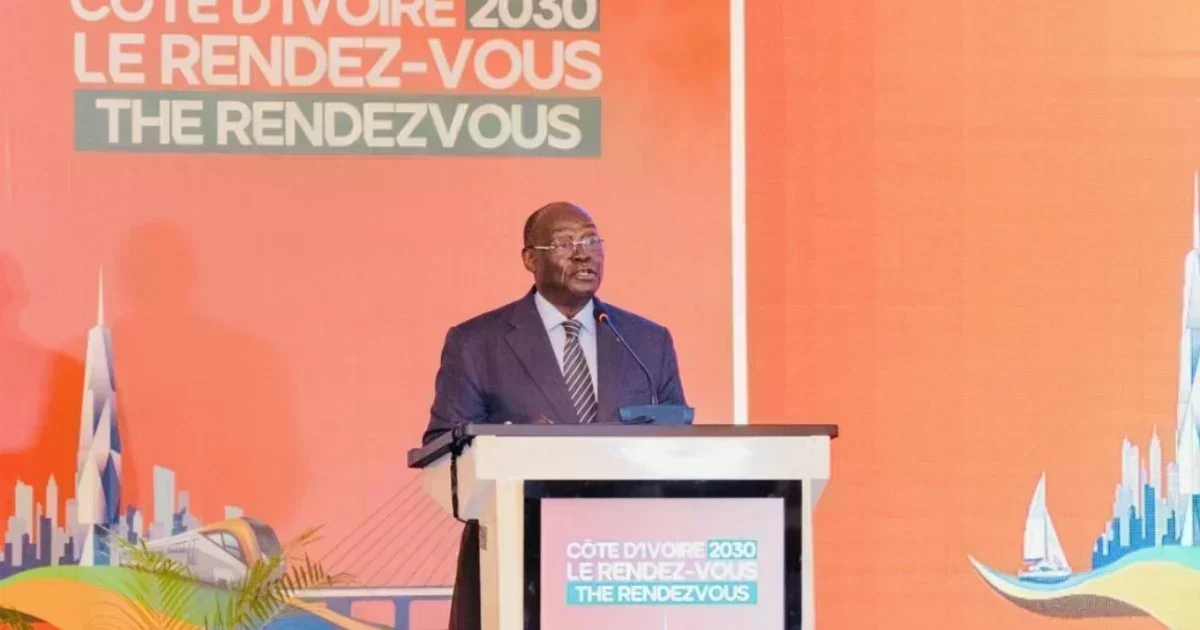
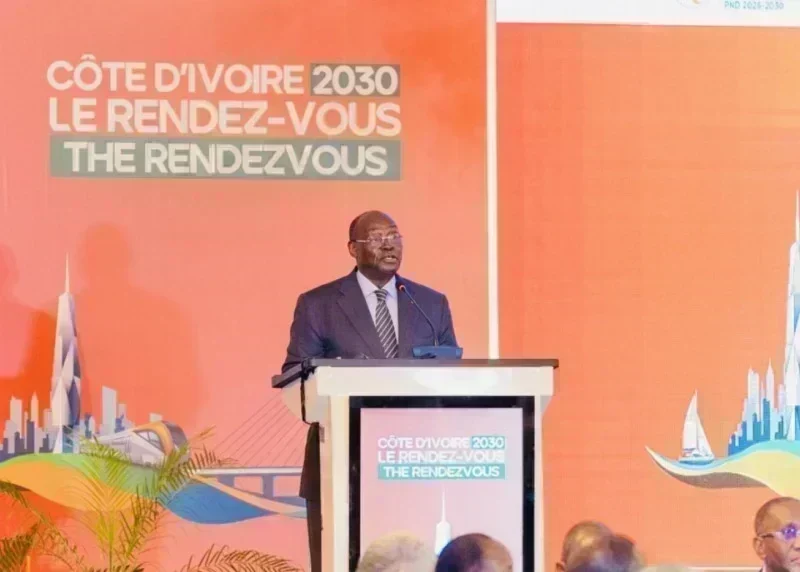
Speaking at a high-level forum in Abidjan, the Minister of Planning highlighted that more than 70% of the projected $209 billion total NDP budget is expected to come from private sector contributions, amounting to over $147 billion. The remaining funds will be contributed by the Ivorian government itself.
Economic transformation and diversification
The NDP focuses on key sectors including agricultural modernization—which contributes 20% to the GDP—security enhancements, infrastructure development such as a planned high-speed rail network, and the creation of national champions in industry. Additionally, the country is diversifying its economy through recent discoveries in mining, oil, and gas sectors.
With an average annual growth rate of 6.5% over recent years, Côte d’Ivoire stands out as one of the fastest-growing economies in the subregion. This growth follows a decade of political and military instability in the early 2000s, during which the nation laid the groundwork for recovery and revitalization.
International recognition and support
The commitment from global financial institutions has been reinforced by recent positive assessments. The International Monetary Fund (IMF) recently approved a disbursement of nearly $833 million under multiple assistance programs, citing the country’s resilient economy. While growth is projected to moderate slightly to 6% in 2026 from 6.5% in 2025, inflation is expected to edge up to around 3.3% this year.
Earlier this year, Côte d’Ivoire demonstrated its strong market appeal by successfully raising $1.3 billion in international bonds at exceptionally favorable interest rates for an emerging economy. These milestones collectively signal a new chapter in the nation’s economic journey, positioning it as a regional leader in sustainable development and investment attractiveness.