Côte d’Ivoire secures massive international funding for 2030 development plan
Côte d’Ivoire secures massive international funding for 2030 development plan
Côte d’Ivoire has surpassed all expectations by securing over $80 billion in international investments to fund its National Development Plan through 2030, demonstrating robust economic resilience and renewed investor confidence.
The Minister of Planning announced that Côte d’Ivoire achieved quadruple the projected international public funding for its National Development Plan (PND) by 2030 during a press conference on Thursday.
This milestone underscores the country’s economic appeal, boasting one of the strongest growth rates in the region—averaging 6.5% annually in recent years—and a hard-won stability following a decade of political and military turmoil in the early 2000s.
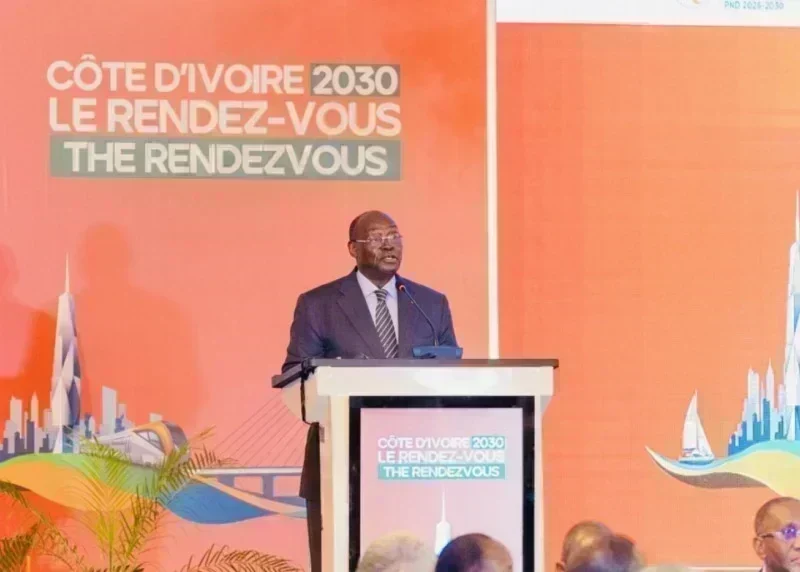
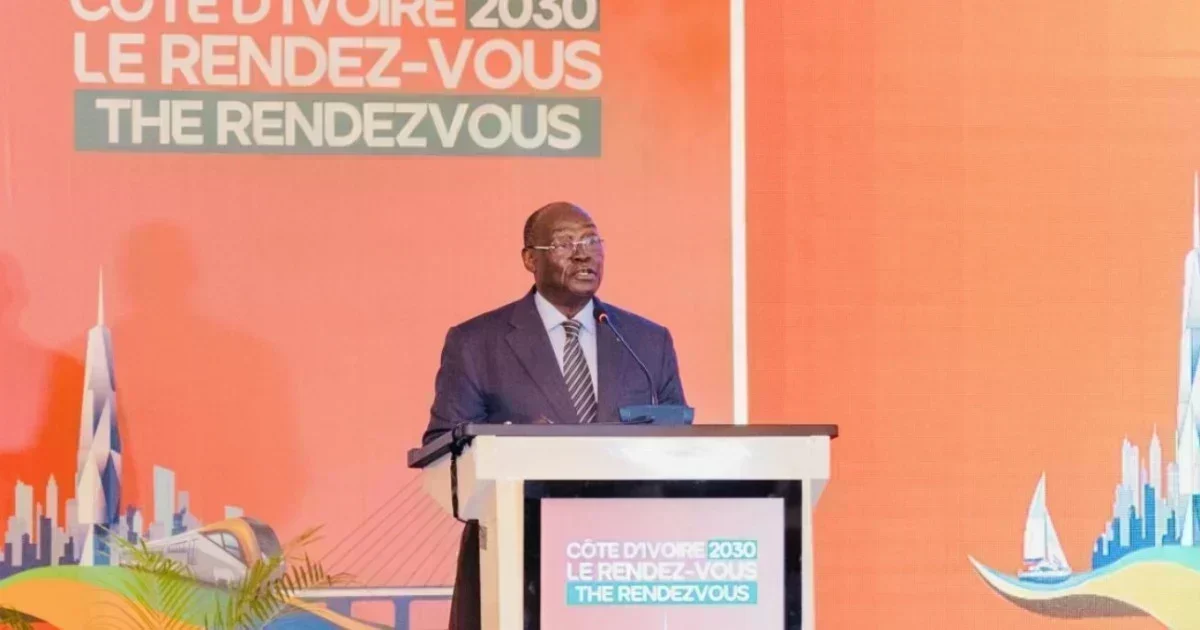
In Abidjan, a high-profile event brought together government officials and hundreds of public and private investors to discuss funding mechanisms for the PND, which includes critical security enhancements, agricultural modernization—representing 20% of GDP—support for emerging national champions, and major infrastructure projects such as a high-speed rail network.
Record-breaking investment commitments
The government initially sought around $20 billion in public funding, but development partners committed over $80 billion—four times the requested amount, as confirmed by the Minister of Planning, Souleymane Diarrassouba. Key contributors include the World Bank, the African Development Bank (AfDB), and the European Union.
“This reflects our stellar economic indicators,” the minister stated, adding that over 70% of the total PND funding—exceeding $147 billion—is expected to come from the private sector.
The total PND funding is projected at $209 billion, with additional contributions from the Ivorian government. Earlier this year, Côte d’Ivoire demonstrated its financial strength by raising $1.3 billion on international markets at highly favorable interest rates for an emerging economy.
In late June, the International Monetary Fund (IMF) also approved nearly $833 million in financial support through multiple assistance programs. While the IMF praised the country’s resilient economy, it projected a slight growth slowdown to 6% in 2026, down from 6.5% in 2025, and an inflation rate of approximately 3.3% this year.
Once heavily reliant on agriculture, Côte d’Ivoire has been diversifying its economy in recent years, capitalizing on new mining, oil, and gas discoveries.