Togo spends two million dollars on a symbolic African map to project power in West Africa
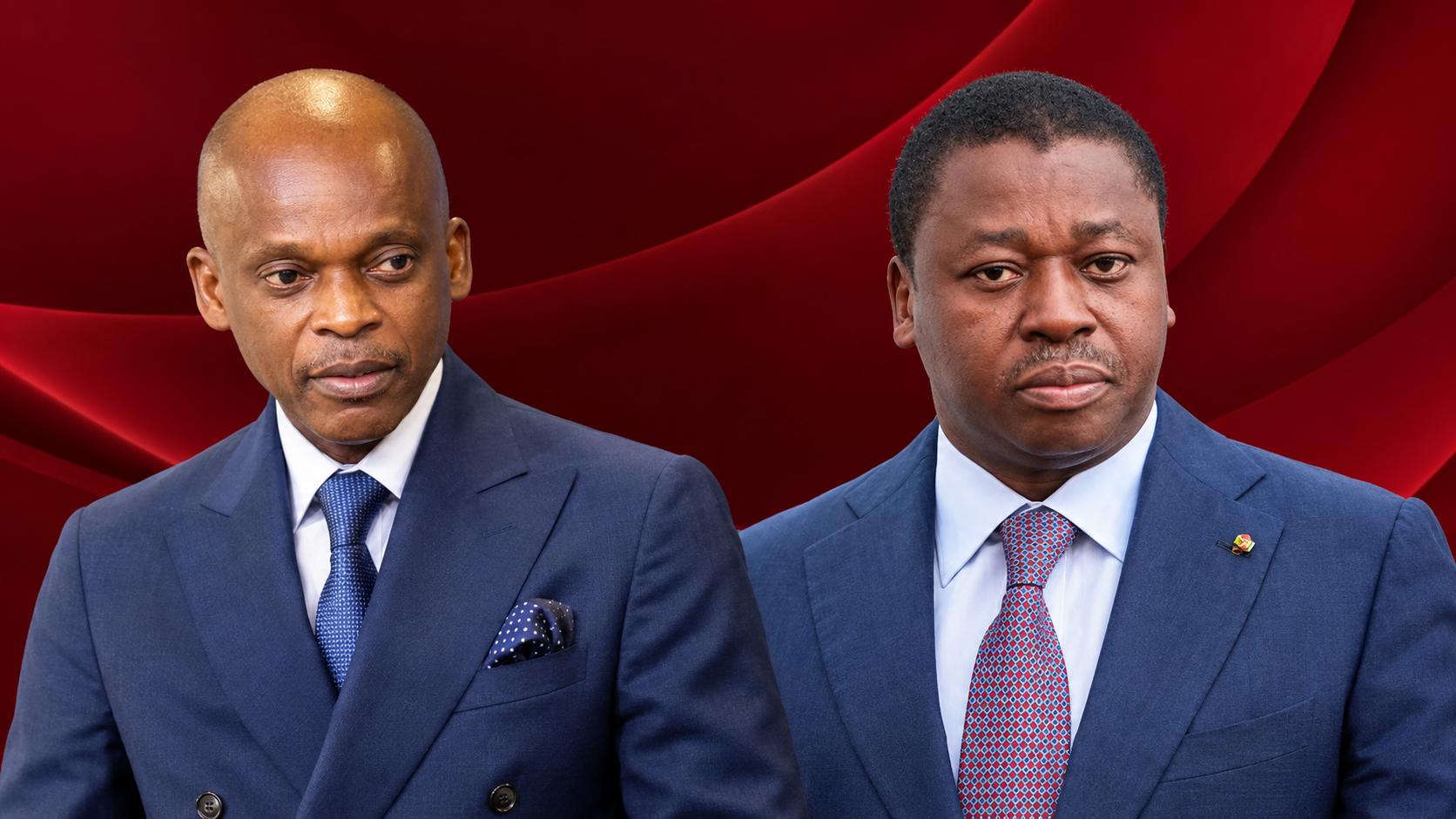
Citizens in Togo are currently navigating a severe economic downturn marked by skyrocketing living costs, sparking deep public resentment over the government’s lavish diplomatic expenditures. Financial records and analysis of state discretionary spending reveal that the administration allocated an estimated 2 million US dollars to advocate for and pass the “new map of Africa” resolution at the United Nations.
For months, Togolese diplomats engaged in intensive campaigns to champion this geopolitical cartography. However, behind the triumphant state rhetoric celebrating Togo’s global influence, the financial reality highlights a massive drain on public funds for a purely symbolic achievement. As observers tracking West Africa Sahel news point out, these expenditures reflect a growing tension between domestic welfare and regional diplomacy.
Breaking down the two million dollar diplomatic invoice
Where did these state resources go? A closer look at the logistical and diplomatic channels exposes how these millions were distributed:
- International lobbying and strategic consulting: To secure a spot for this resolution on the United Nations General Assembly agenda and win over Western and Asian partners, Lomé partnered with elite influence agencies specializing in corporate diplomacy and crisis communication. These services included Paris-based public relations firms accustomed to advising African presidencies, alongside Washington D.C. lobbying firms registered under the Foreign Agents Registration Act (FARA) to connect Togolese officials with Anglophone policymakers. These strategic contracts were settled in foreign currencies, totaling hundreds of thousands of dollars.
- High-end travel by Robert Dussey: The Minister of Foreign Affairs, Robert Dussey, undertook numerous first-class voyages and stayed in premier hotels across New York, Paris, Geneva, and various African capitals to conduct direct lobbying. These endeavors, featuring chartered flights, substantial per diems, and extensive representation allowances, consumed a massive portion of the budget.
- Ceremonial diplomacy and networking events: Official banquets, diplomatic presents, and fully funded accommodations for foreign delegates and specialists during preliminary negotiations significantly inflated secondary expenses.
- Media campaigns and public relations: The state financed targeted press operations in global outlets, sponsored editorial pieces, and organized specialized academic symposiums to validate the cartographic initiative.
A costly distraction from pressing domestic challenges
For civil society advocates and economic analysts, directing such immense resources toward international prestige is impossible to justify given the country’s domestic struggles. The 2 million US dollars, equivalent to over one billion CFA francs, could have been used to purchase essential medical equipment for underfunded hospitals in Kara, Dapaong, and Adétikopé. Alternatively, these public funds could have built new school classrooms or supported social welfare initiatives for the most vulnerable households.
By prioritizing expensive vanity projects and foreign consulting firms over the basic needs of its population, the leadership in Lomé highlights a growing disconnect between its desire for global recognition and the difficult daily realities faced by ordinary citizens.