Côte d’ivoire: Laurent Gbagbo reshapes PPA-CI leadership with shared governance
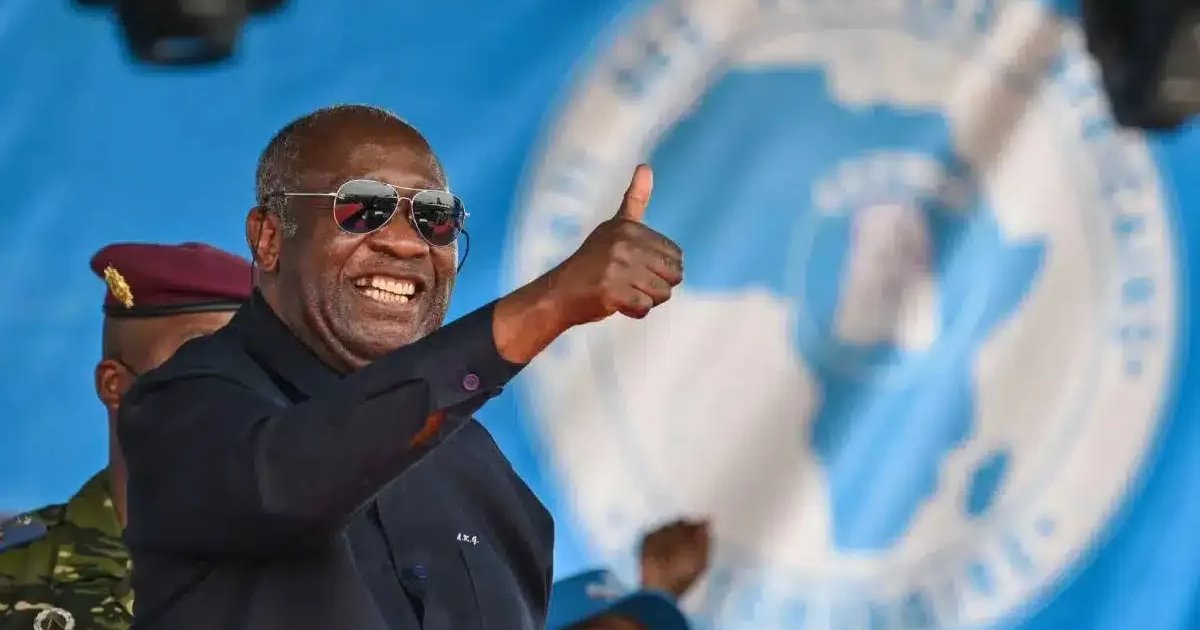
Laurent Gbagbo introduces collective leadership structure at PPA-CI in Côte d’Ivoire
Laurent Gbagbo, serving as president of the Parti des Peuples Africains-Côte d’Ivoire (PPA-CI), has finalized a strategic restructuring of the party’s leadership. The announcement, made on August 10, 2026, introduces a shared governance model by appointing five key figures to senior positions, reinforcing the party’s operational framework while maintaining Gbagbo’s central role.
New leadership roles reinforce party structure and operational efficiency
Assoa Adou has been designated as First Vice-President, tasked with upholding the PPA-CI’s political doctrine and ensuring alignment with its core principles. Hubert Oulaye assumes the role of Second Vice-President, overseeing internal party affairs and presiding over meetings of the Central Committee, thereby strengthening organizational cohesion.
Emmanuel Ackah, former ambassador and seasoned diplomat, takes on the position of Third Vice-President, responsible for party mobilization and engagement initiatives. Justin Katinan Koné retains his position as Head of General Policy, a role critical to shaping the party’s strategic direction.
Sébastien Dano Djédjé has been named President of the Strategic and Political Council, a newly established body designed to oversee the party’s policy implementation and long-term vision.
Centralized leadership remains under Gbagbo’s guidance
According to Gbagbo, this reconfiguration represents a shift toward a more collégiale (collective) leadership model, emphasizing the synergy of shared responsibilities and unified action. He underscored that this structure enhances the party’s efficiency without altering the fundamental locus of decision-making power.
Political analysts highlight that while the new appointments distribute operational duties, ultimate authority continues to reside with Gbagbo. This transition reflects the PPA-CI’s efforts to modernize its governance while preserving its founding leader’s influence.
The restructuring follows Gbagbo’s re-election to the party presidency in May 2026. While initial discussions suggested a single deputy role, the final structure now integrates multiple leadership voices, signaling a deliberate move toward institutional resilience and collective stewardship.