The Ivorian judiciary has delivered its ruling. On Tuesday, June 2, 2026, the Abidjan Economic and Financial Penal Unit handed down firm prison sentences ranging from one to five years to influencer Apoutchou National and four co-defendants for money laundering. The decision follows a closely watched legal battle that has captivated the Ivorian public, especially against the backdrop of a new generation of digital personalities whose lavish lifestyles starkly contrast with the murkiness of their income sources.
Landmark verdict reshapes financial justice in Côte d’Ivoire
Established to address complex cases of financial delinquency, the Economic and Financial Penal Unit has emerged as the cornerstone of efforts to combat illicit financial flows in Côte d’Ivoire. Its intervention in the Apoutchou National case underscores authorities’ commitment to extending regulatory oversight to actors previously operating in a legal gray area. The firm penalties imposed on the five defendants, rather than suspended sentences, send a clear message to the broader ecosystem.
The implications extend far beyond this single case. Abidjan has been working for years to strengthen its compliance framework, aligning with recommendations from the Intergovernmental Action Group against Money Laundering in West Africa (GIABA). These specialized courts serve as a showcase, designed to reassure international donors and attract investment to West Africa’s largest economy within the West African Economic and Monetary Union (UEMOA).
Crackdown on influencer economics amid regulatory scrutiny
The rise of Apoutchou National mirrors a broader trend across West Africa, where social media personalities have built careers on viral content, lucrative brand partnerships, and conspicuous displays of wealth. Yet the financial underpinnings of this booming digital economy remain poorly documented, leaving tax and financial authorities in the dark. The Abidjan trial has now put the spotlight on the urgent need for transparency in tracing revenues from the digital economy.
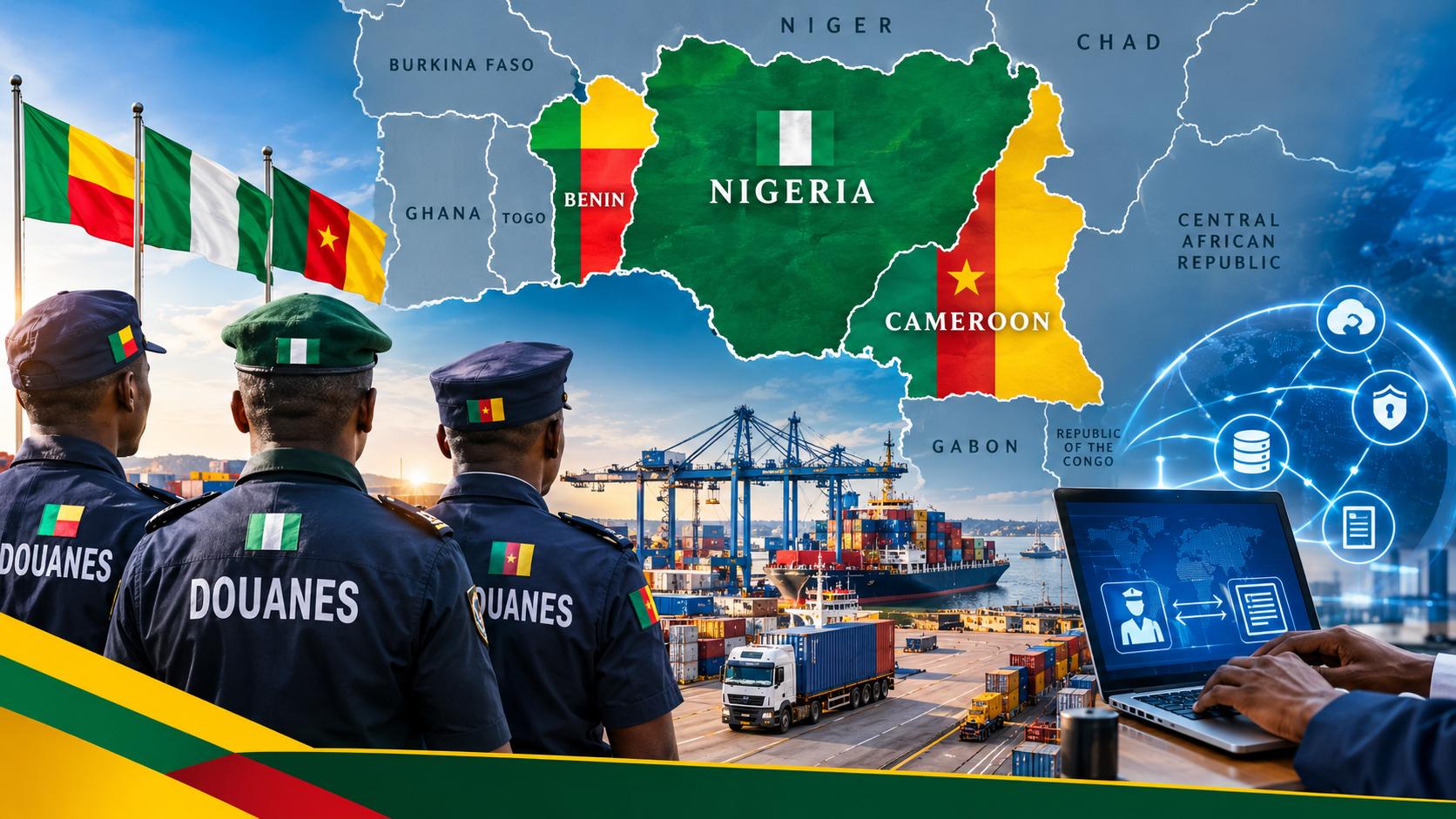
Regulators in neighboring countries are taking note. In Senegal, Benin, and Cameroon, similar cases have surfaced, linking influencers to allegations of rapid wealth accumulation and murky financial dealings. The ruling in Abidjan could set a precedent, encouraging other nations in the region to pursue comparable legal action against high-profile digital creators with substantial followings.
The graduated penalties—from one to five years—reflect the tribunal’s careful assessment of each defendant’s role. This nuanced approach suggests the court distinguished between central figures and peripheral participants, a practice consistent with business criminal law standards. Legal experts anticipate lively debates as Ivorian jurisprudence on digital money laundering continues to evolve.
Social media fame and the growing legal risks for influencers
For brands leveraging the reach of Ivorian influencers, the verdict introduces new reputational risks. Partnership agreements with legally exposed personalities now carry heightened uncertainties that could reshape marketing strategies across Francophone Africa. Communication agencies are already advocating for stricter compliance clauses in commercial contracts with digital figures to mitigate these risks.
The broader political context adds another layer to the story. The judiciary’s firm stance aligns with the Ivorian government’s push for greater transparency in public and economic life. Meanwhile, the defense teams are expected to explore all available avenues for appeal, while the public remains riveted by the case’s unfolding developments. The Apoutchou National saga is far from over, with legal repercussions likely to unfold in the months ahead.