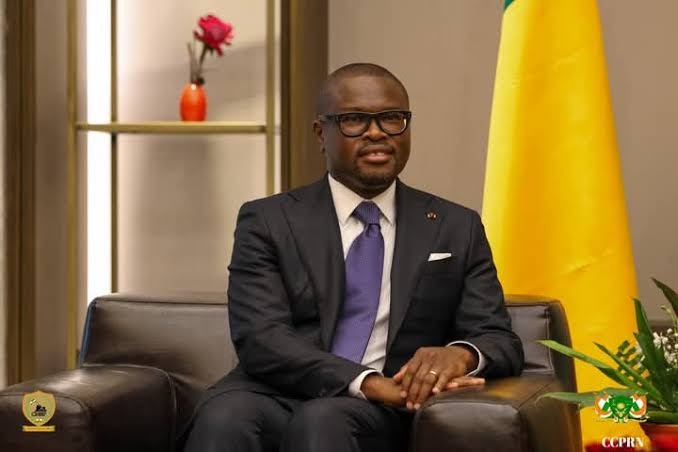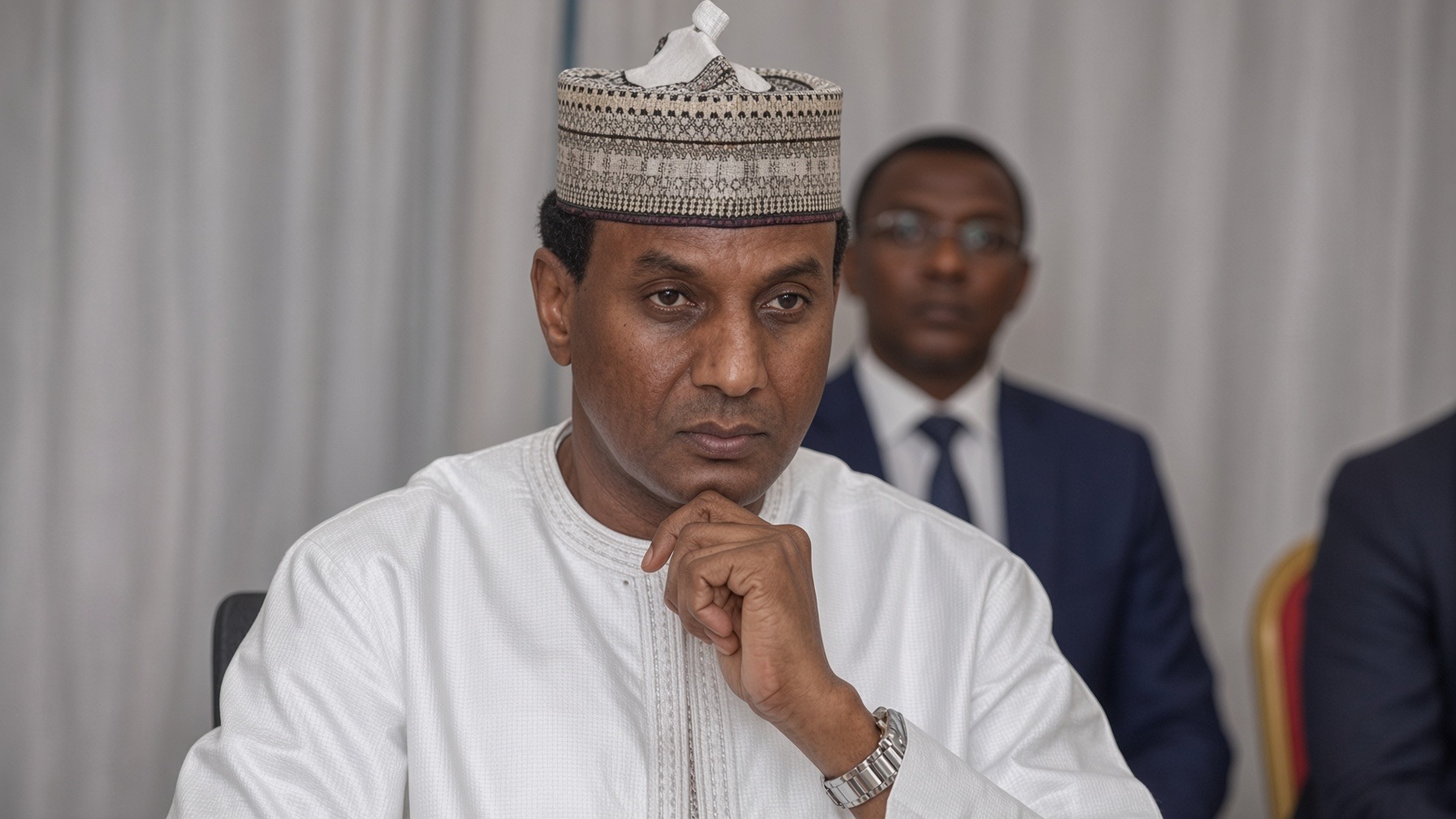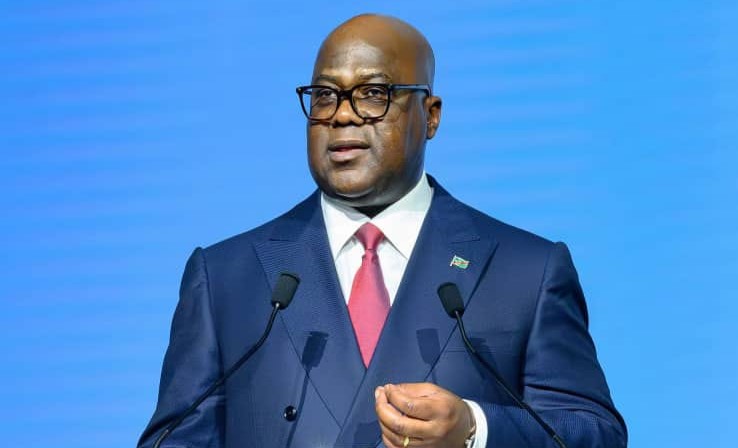
During a high-level gathering in N’Djamena, the President of the Democratic Republic of the Congo outlined a bold vision to transform water access across the nation. Speaking to fellow heads of state, development partners, and sector experts, he emphasized the country’s vast water resources while stressing the need to convert potential into tangible services for citizens.
a dual commitment: water and sanitation for healthier communities
The leadership in Kinshasa is not only targeting clean water access but also setting clear benchmarks for sanitation and hygiene. By 2035, the government aims to ensure 60 % of the population has reliable access to drinking water. Alongside this, a 50 % improvement in sanitation and hygiene services is planned, a move expected to significantly reduce waterborne diseases and elevate living standards nationwide.
In a parallel push, authorities are targeting public institutions. The goal is to provide adequate water, sanitation, and hygiene services in 80 % of schools and health facilities by the same year. This initiative is designed to create safer learning environments for children and improve health outcomes in medical facilities, reinforcing the foundation of social services.
Ensuring reliable water, sanitation, and hygiene infrastructure in 80 % of schools and health centers is a top priority. These institutions serve as critical hubs for communities and must be protected and supported.
uniting stakeholders to bridge the infrastructure gap
To meet these ambitious targets, the Congolese government is calling for a unified effort. Public funding, private investment, and international cooperation are all seen as essential to closing the infrastructure deficit. The strategy hinges on collaboration across sectors, with the state acting as a catalyst for collective progress.
five pillars for sustainable water management in africa
The President presented a five-point roadmap to modernize water governance across the continent. The priorities include:
- Policy integration: Aligning national strategies with regional frameworks to ensure cohesive action.
- Strong governance: Building capable institutions that enforce accountability and transparency in water infrastructure management.
- Project readiness: Developing technically sound and financially viable initiatives to attract investment.
- Local industry growth: Expanding domestic production of essential water equipment to reduce import dependency.
- Sustainable financing: Mobilizing long-term capital through structured funding models and public-private partnerships.
The President underscored the urgency of fostering a local water industry. He advocated for the domestic manufacturing of pipes, pumps, meters, treatment systems, irrigation tools, and digital solutions. Such a shift, he argued, would not only reduce reliance on foreign imports but also stimulate job creation and industrial growth.
He stressed that success depends on meticulous planning and bankable projects. Only well-structured initiatives with clear technical and financial frameworks can secure the investments needed to drive sector transformation. The proposed roadmap reflects a broader ambition: to build a water sector that supports economic growth, enhances governance, and ensures equitable access for all.