CNSA’s move in DRC: easing tensions ahead of national dialogue
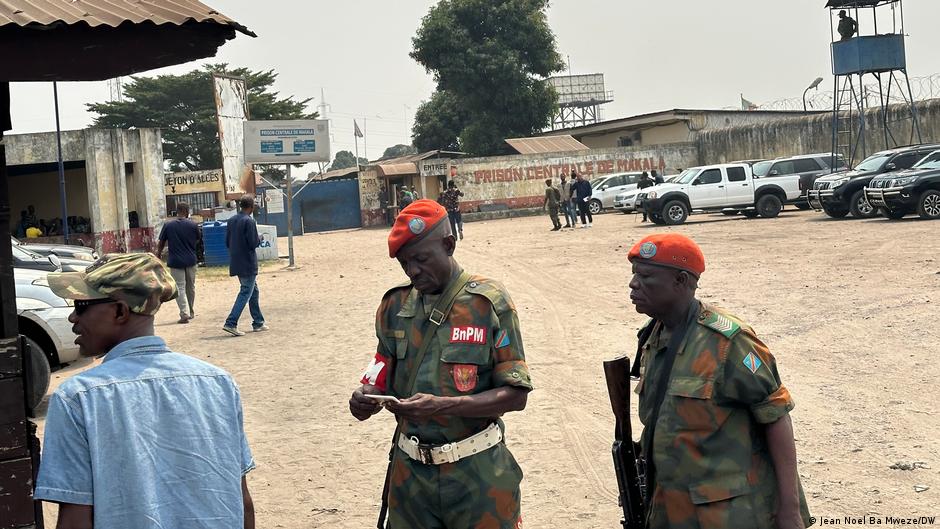
The Democratic Republic of the Congo is witnessing a pivotal moment as the National Council for Monitoring the Agreement and Electoral Process (CNSA) undertakes a sweeping review of political and opinion prisoners. This bold initiative comes as the country prepares for an anticipated inclusive dialogue aimed at fostering national unity.
At the heart of this endeavor is the CNSA’s commitment to upholding the principle that justice is blind—regardless of political affiliation or background. The Council has begun compiling a comprehensive list of detainees whose cases may qualify for amnesty, with the final roster to be presented to President Félix Tshisekedi. The move is seen as a critical step toward creating a conducive environment for constructive discussions among Congolese stakeholders.
Setting legal precedents for reconciliation
The CNSA’s review process is guided by strict legal criteria, ensuring that every case is scrutinized with fairness and impartiality. Among the high-profile names under consideration are Aubin Minaku and Emmanuel Ramazani Shadary, prominent figures within the People’s Party for Reconstruction and Democracy (PPRD), the former ruling party of Joseph Kabila. Their potential inclusion on the amnesty list has sparked significant interest and debate across the political spectrum.
Joseph Olenghankoy, President of the CNSA, emphasized the urgency of addressing detentions that violate constitutional rights. “Within 48 hours of an arrest, detainees must be brought before their natural judges. Yet, reports indicate some have languished in custody for nearly six months without due process,” he noted. “Justice has no color. If a right exists, it must be respected. Our role is to ensure these rights are upheld and to advocate for the release of those unjustly detained, paving the way for genuine dialogue.”
PPRD welcomes CNSA’s initiative
The PPRD has publicly endorsed the CNSA’s efforts, particularly regarding the potential release of its detained members. Lucain Kasongo, a senior cadre within the party, expressed optimism about the initiative. “We wholeheartedly support any measure that leads to the liberation of our comrades, including Aubin Minaku, Emmanuel Ramazani Shadary, and others such as Dunia Kilanga and Parole Kamizelo,” he stated. “This is a positive step toward national reconciliation.”
Condemned figures and the path to trust-building
The scope of the CNSA’s review extends beyond political detainees to include individuals facing severe legal consequences, such as death sentences. Joseph Kabila and Corneille Nangaa, former President and coordinator of the AFC/M23 rebellion respectively, are among those with outstanding death penalties. Timothée Mbuya, Coordinator of the human rights organization Justicia ASBL, argued that annulling these sentences is essential for rebuilding trust. “A political gesture is needed to overturn these convictions. This would signal a commitment to fostering the political confidence required for an inclusive dialogue,” he asserted.
As the CNSA continues its meticulous review, the nation watches closely. Will this bold initiative translate into tangible steps toward easing tensions and setting the stage for a meaningful national dialogue? The answer may well shape the future of the Democratic Republic of the Congo.