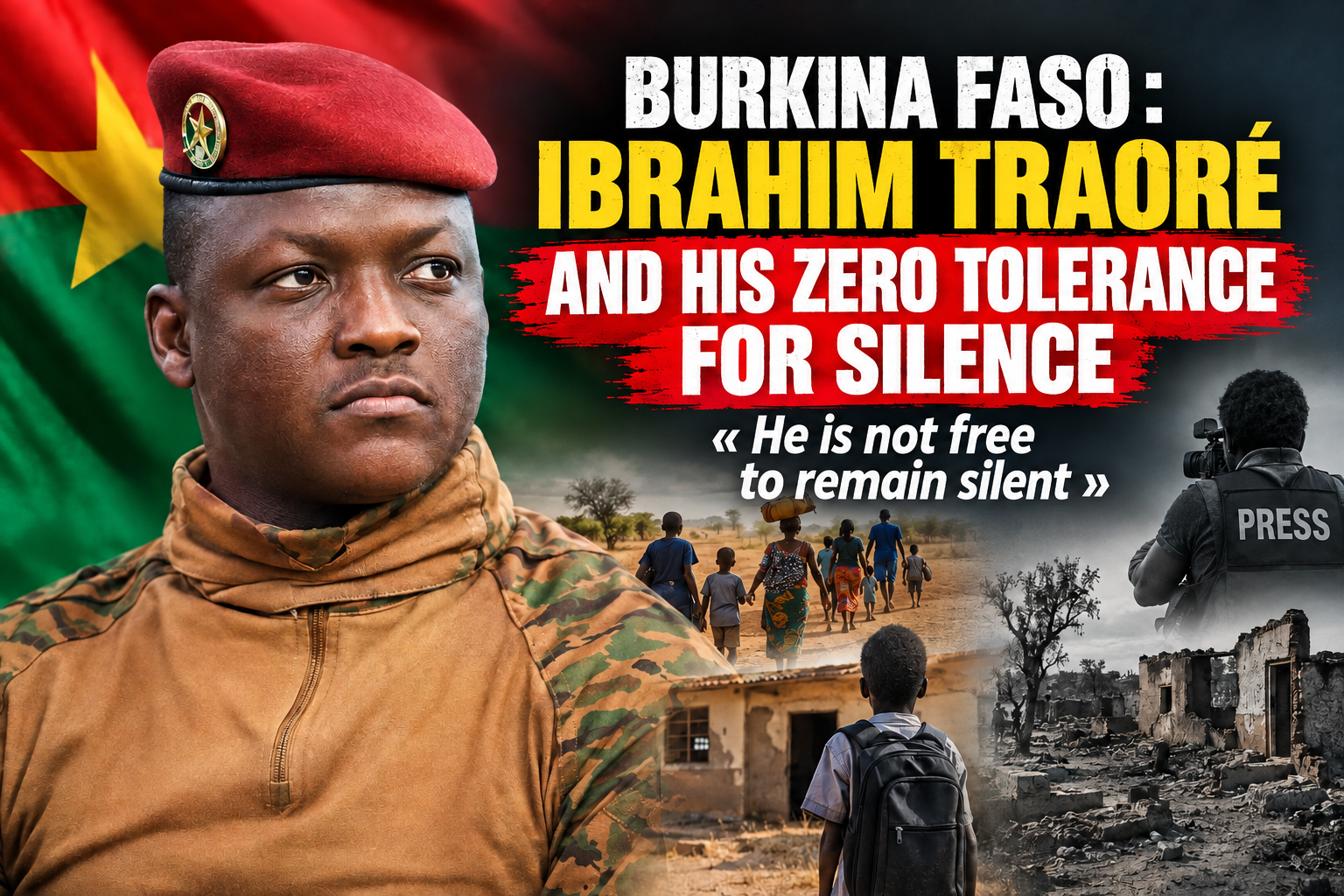
In recent weeks, Burkina Faso has witnessed a concerning escalation in the repression of civil liberties, particularly under the current military leadership. The arrest of influential religious figure Imam Mohamed Ishaq Kindo and the suspension of the country’s largest student union, the Union générale des étudiants du Burkina (UGEB), highlight a broader crackdown on dissent and public freedoms.
Imam Kindo’s detention sparks outrage
Just days before Eid al-Adha, masked security forces reportedly stormed the home of Imam Mohamed Ishaq Kindo, a prominent religious leader known for his critical stance on government policies. Witnesses describe the arrest as a calculated move to silence dissent. The imam had publicly opposed a proposed law regulating religious practices, particularly public prayers.
“Imam Kindo was a rare voice within Burkina Faso’s Muslim community who, despite initially supporting Captain Ibrahim Traoré, maintained a critical perspective and continued to challenge public decisions,” explains Newton Ahmed Barry, a Burkinabè journalist in exile. His influence extended beyond religious matters, positioning him as a key figure in civic vigilance.
Reactions were swift and intense. Protests erupted in several neighborhoods, leading to clashes, multiple injuries, and numerous arrests. The Fédération des associations islamiques du Burkina (FAIB) repeatedly urged calm, while authorities scrambled to contain the fallout. False reports of the imam’s death circulated online, quickly debunked by the Attorney General. Some videos alleging abuses were flagged for inconsistencies, with experts suggesting possible use of artificial intelligence in their fabrication.
A regional pattern of suppression
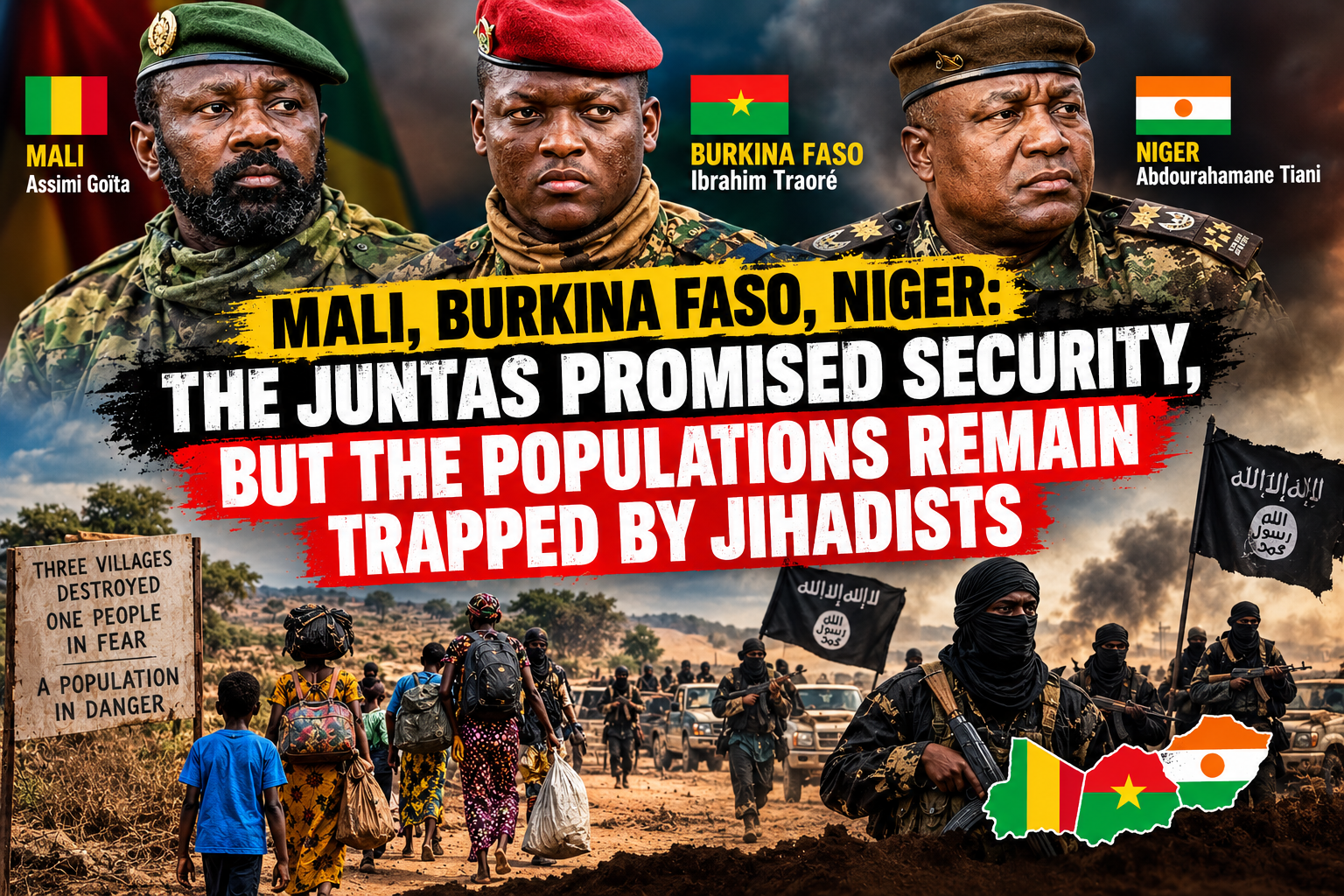
Imam Kindo’s case is not isolated. In neighboring Mali and Niger, similar crackdowns on dissent have been reported. The Alliance des démocrates du Sahel (ADS) points to a disturbing regional trend: governments increasingly label critics—students, activists, and even religious leaders—as “terrorist sympathizers” to justify repression.
“It’s laughable to accuse unarmed students of terrorism,” remarks Mahamadou Idder Alghabid, ADS Deputy Secretary-General. “This is a familiar script across the Sahel. Any voice of dissent is silenced under the guise of national security. The narrative has become a tool to legitimize authoritarian rule.”
UGEB’s suspension: targeting student dissent
The military junta’s latest move targets the UGEB, one of Burkina Faso’s oldest student unions, founded in 1960. Its president, Bazo Wilfried, and several members were detained under accusations of “terrorist propaganda” and “demoralizing security forces.” The union had criticized the government’s failure to address insecurity, describing the situation as a “civil war” and highlighting the regime’s inability to protect citizens.
“The military regimes in Ouagadougou, Bamako, and Niamey are using the same playbook,” Alghabid adds. “They weaponize the term ‘terrorism’ to crush any form of opposition. But the people are waking up to the emptiness of their promises.”
Civil society under siege
Beyond these high-profile cases, human rights defenders report a systematic erosion of public freedoms. Civil society organizations face dissolution, journalists operate under threat, and freedom of expression is increasingly restricted. The line between legitimate criticism and criminal offense is fading, raising alarms about the long-term stability of the region.
“The military juntas claim to fight terrorism, but their real goal is to consolidate power by instilling fear,” notes Barry. “However, fear breeds resistance. The Burkinabè society will not remain silent forever.”
Voices from exile and a call for international support
Despite the risks, dissent persists—often from abroad. Exiled activists and analysts argue that the regimes’ legitimacy is crumbling as their promises of sovereignty and anti-imperialism fail to materialize. “The people are abandoning the juntas one by one,” asserts Alghabid. “They see through the propaganda. The tide is turning.”
Human rights organizations are calling for sustained international pressure. Ilaria Allegrozzi, a Sahel researcher at Human Rights Watch, emphasizes the need to defend civic spaces: “Silence and ambiguity only embolden authoritarianism. Partners must stop hiding behind the idea that criticizing the juntas is counterproductive. The cost of inaction is far greater.”
The path forward
As the military regimes tighten their grip, the question of legitimacy looms large. Analysts warn that excessive repression may ultimately backfire. “History shows that regimes built on fear are inherently fragile,” Barry concludes. “The Burkinabè people, like those in Mali and Niger, will reclaim their freedoms. It’s only a matter of time.”