Imam Kindo’s arrest fuels fears of repression
Days before Eid al-Adha, masked security forces raided the home of Imam Mohamed Ishaq Kindo in an operation that has sent shockwaves through Burkina Faso. The cleric, known for his independent stance and vocal criticism of government policies, had openly opposed a draft law regulating public religious practices. Witnesses reported seeing plainclothes officers detain him, a move that has drawn widespread condemnation.
Local analysts note that Kindo’s influence extended beyond religious circles. “He was among the few Muslim leaders who initially supported Captain Ibrahim Traoré but never hesitated to challenge his government’s decisions,” explained a senior Burkinabe journalist in exile. Unlike other regional figures like Mali’s Imam Mahmoud Dicko, Kindo focused on civic vigilance rather than political mobilization within Islamic institutions.
The arrest sparked immediate unrest. Protests erupted in several neighborhoods, leading to clashes with security forces, multiple injuries, and numerous detentions. The Federation of Islamic Associations of Burkina Faso (FAIB) repeatedly urged calm, while social media became a battleground of misinformation—a falsified statement claiming Kindo’s death circulated before authorities confirmed his detention.
AI-generated disinformation adds to the chaos
Investigative platforms have flagged inconsistencies in viral videos allegedly showing abuses by security forces, suggesting some may be fabricated using artificial intelligence. Meanwhile, reports of detainees being transferred to military camps in the Central-North region have intensified concerns about extrajudicial treatment.
A climate of fear: strategy or overreach?
Political analysts warn that the junta’s tactics may backfire. “The more fear they instill, the more they isolate themselves. Their goal is control, but repression breeds resistance,” stated Newton Ahmed Barry, a Burkinabe commentator. He argues that excessive crackdowns could erode the very stability the regime claims to protect.
UGEB suspension: targeting student dissent
The military government has escalated its campaign against dissent by suspending the Union of Burkinabe Students (UGEB), one of the country’s oldest organizations, for three months—renewable. UGEB’s president and several members were detained after the union criticized the deteriorating security situation, labeling it a “civil war” and accusing authorities of “manifest incompetence.”
Mahamadou Idder Alghabid, deputy secretary-general of the Sahel Democrats Alliance, condemned the charges as baseless: “Accusing unarmed students of terrorism is absurd, yet this narrative has become common across the Sahel. Dissent is criminalized, and critics are smeared as terrorist sympathizers.”
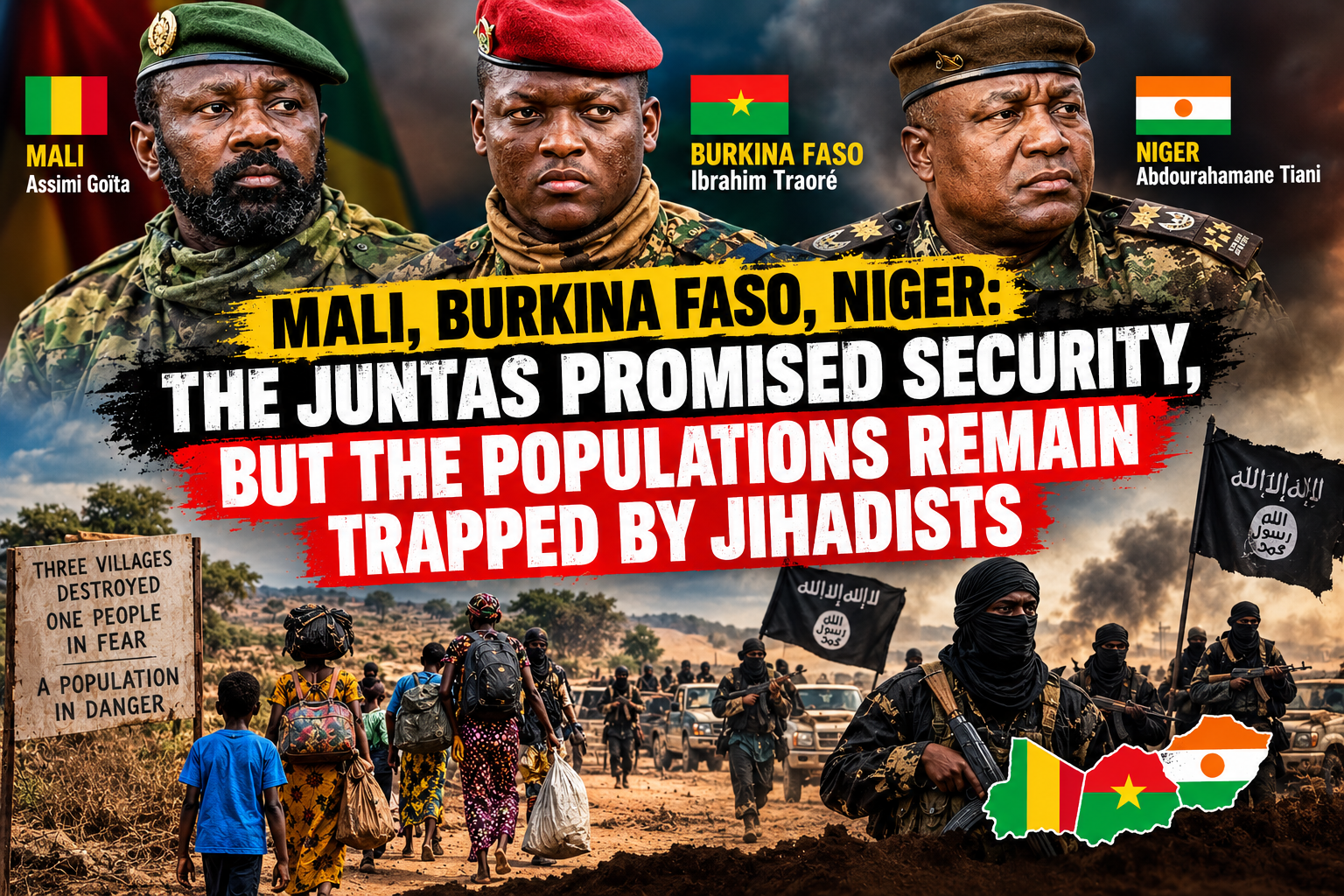
He emphasized that this pattern is not unique to Burkina Faso but reflects a broader regional trend: “In Mali, Niger, and Burkina Faso, military regimes silence opposition by weaponizing terrorism laws. The space for peaceful protest is shrinking.”
Regional erosion of civic freedoms
Burkina Faso is not alone in facing these challenges. Human rights advocates report a coordinated crackdown on civil society in all three Alliance of Sahel States (AES) countries. Organizations are being dissolved, journalists intimidated, and legal frameworks weaponized to suppress criticism. The line between legitimate dissent and criminal offense is increasingly blurred.
Alghabid insists that despite the repression, resistance persists: “Every day, more Saharans see through the junta’s false promises. Sovereignty and anti-imperialism slogans ring hollow when governments fail to deliver security or justice. The tide is turning.”
Calls for international solidarity
Human rights organizations are urging global action. “The international community must not normalize these authoritarian shifts,” stated Ilaria Allegrozzi of Human Rights Watch. “Silence and ambiguity only embolden juntas. Partners must condemn abuses and support civic spaces—before it’s too late.”
Will repression strengthen or hasten the regime’s fall?
Analysts predict that the junta’s heavy-handed approach may ultimately undermine its own legitimacy. “Excessive force exposes weakness,” notes Barry. “History shows that regimes built on fear crumble under their own contradictions. The people of Burkina Faso are watching—and they remember.”