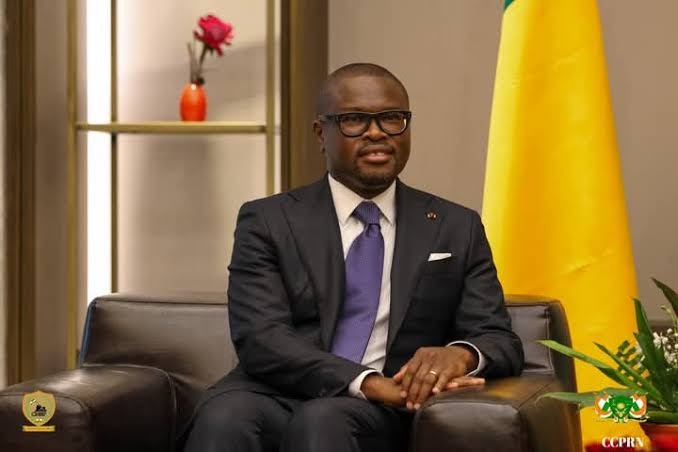
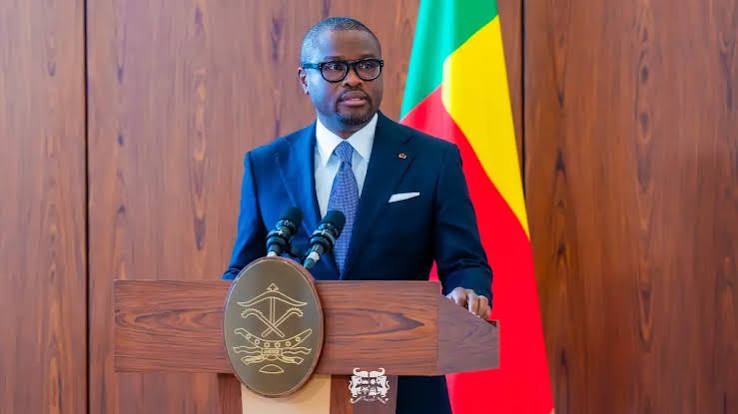
Days after his inauguration, Benin President Romuald Wadagni chose Nigeria as his first official destination abroad. On June 1, 2026, he arrived in Lagos for a high-level meeting with Nigerian counterpart Bola Ahmed Tinubu. The closed-door discussions focused on critical bilateral and regional issues, reflecting the deepening ties between the two neighboring countries.
The agenda covered economic integration and industrial cooperation, energy partnerships, maritime security in the Gulf of Guinea, and regional stability. The future of the Economic Community of West African States (ECOWAS) was also a key topic, highlighting the shared commitment to regional integration.
Why Nigeria? A strategic partnership
Romuald Wadagni’s choice of Nigeria underscores the importance of this relationship for Benin. Known affectionately by locals as “the eastern giant”, Nigeria is Benin’s largest trading partner and a cornerstone of its foreign policy. The two nations share an 809-kilometer border and have maintained diplomatic relations since 1961.
Economically, the partnership is vital. The Port of Cotonou serves as a gateway for Nigerian goods destined for landlocked West African countries. In 2024 alone, formal Beninese exports to Nigeria surged by over 90%, demonstrating the growing interdependence between the two economies.
Rebuilding bridges after tensions
This visit follows a period of strained relations between Cotonou and Abuja, particularly after Nigeria’s border closure from 2019 to 2020. Since then, both governments have worked to restore cooperation and ease trade flows. Wadagni’s trip signals a renewed effort to strengthen bilateral ties and address shared challenges.
After his engagements in Lagos, President Wadagni continued his regional tour with stops in Niamey (Niger) and Ouagadougou (Burkina Faso). These visits highlight the importance Benin places on maintaining strong relationships with its inland neighbors, despite recent diplomatic challenges.