China’s Zero Tariff Policy: A Game-Changer for Ivory Coast Exports
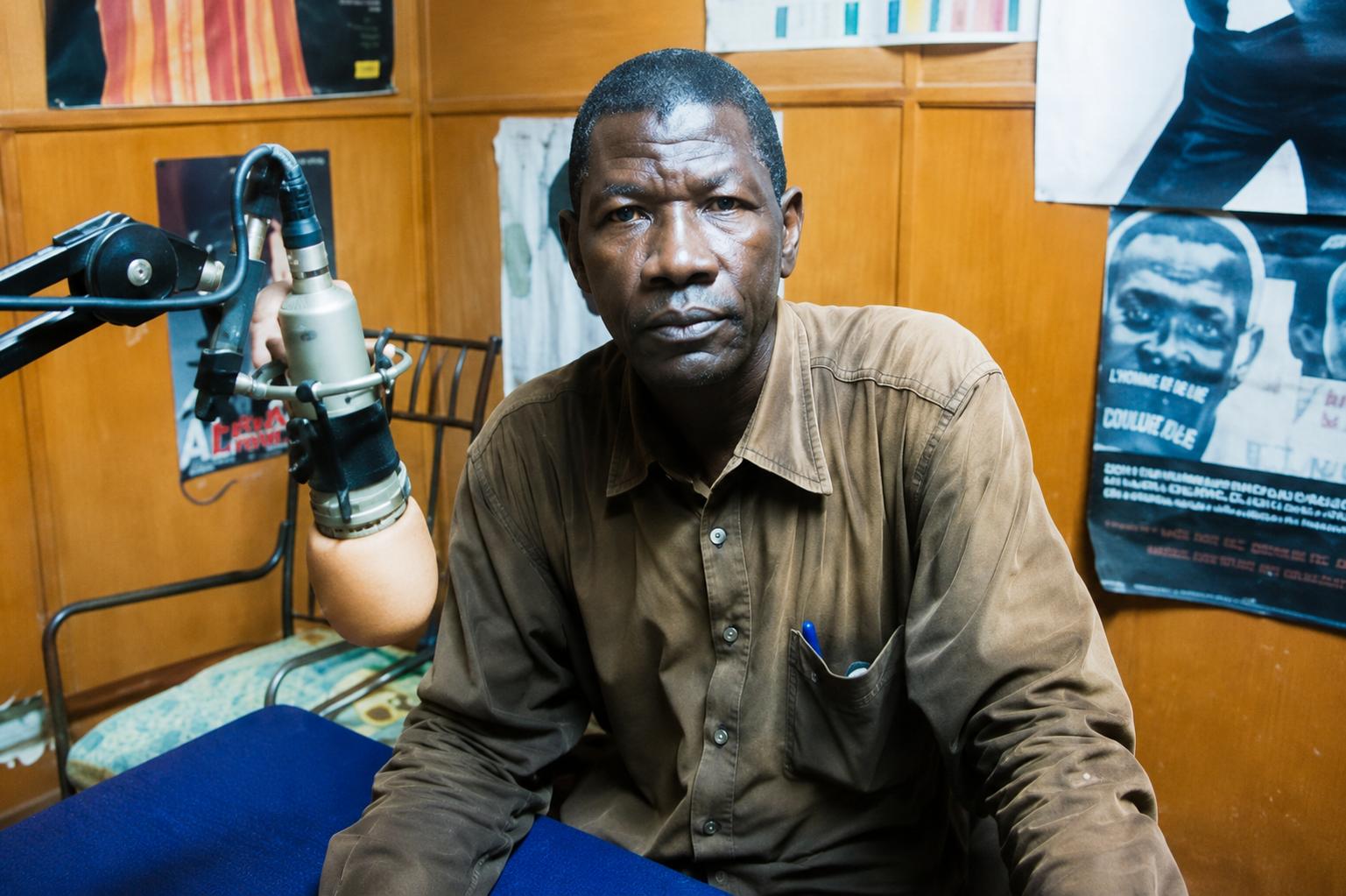
One month after its implementation on May 1, 2026, China’s policy of waiving import tariffs on goods from 53 African countries—including the Ivory Coast—has already redefined the economic landscape between Africa and China. Dr. Randolphe G. Kichiedou, a leading agro-economist, highlights this as a pivotal moment in Sino-African trade relations, marking a strategic shift toward reducing structural imbalances that have long defined bilateral commerce.
Redefining Trade Dynamics
In 2025, trade between China and Africa soared to $348 billion, yet the balance remained heavily skewed. African nations predominantly exported raw materials while importing high-value manufactured goods from China. The zero-tariff initiative seeks to reverse this trend by granting African products preferential access to the Chinese market—a move experts argue could level the playing field.
The Ivory Coast, already China’s top trading partner in West Africa with bilateral exchanges totaling nearly $5 billion in 2024, now faces an unprecedented opportunity. The removal of tariffs could boost export revenues, enhance foreign exchange earnings, and foster deeper market diversification for Ivorian businesses. Yet the most transformative potential lies in local industrialization.
Sectors Poised for Growth
Several key industries stand to benefit from this policy shift:
- Cocoa: As the world’s largest producer of raw cocoa, the Ivory Coast can now expand exports of processed derivatives like butter, powder, and chocolate—capturing greater value along the supply chain.
- Cashews: A global leader in raw nut production, the country must now prioritize industrial processing to meet China’s rising demand for finished products.
- Coffee: With Chinese consumption surging, Ivorian coffee producers can tap into this expanding market.
- Agrifood and Fisheries: Tropical fruits and processed seafood are also gaining traction among Chinese consumers.
Dr. Kichiedou emphasizes that seizing these opportunities requires more than just tariff elimination—it demands a qualitative leap in production standards.
The Real Challenge: Meeting Strict Market Requirements
China’s customs administration enforces stringent regulations on quality, safety, and traceability. For Ivorian exporters, this means:
- Adopting international certifications and food safety standards.
- Enhancing packaging and cold chain logistics.
- Investing in processing infrastructure to meet demand for value-added goods.
Without these adjustments, the zero-tariff advantage risks remaining theoretical.
A Strategic Imperative for the Ivory Coast
The policy alone cannot transform an economy. Success hinges on a coordinated national strategy involving:
- Public-private partnerships to strengthen export competitiveness.
- Streamlined access to certifications and compliance support.
- Improved transport and logistics networks.
- Targeted support for SMEs entering the Chinese market.
From Opportunity to Transformation
China’s zero-tariff policy presents a historic chance for the Ivory Coast to transition from raw material exports to high-value industrial production. The window is open—but seizing it will require ambition, precision, and sustained effort. As Dr. Kichiedou concludes, the time to act is now.