Burkina Faso leader condemns centuries of arab slavery in africa
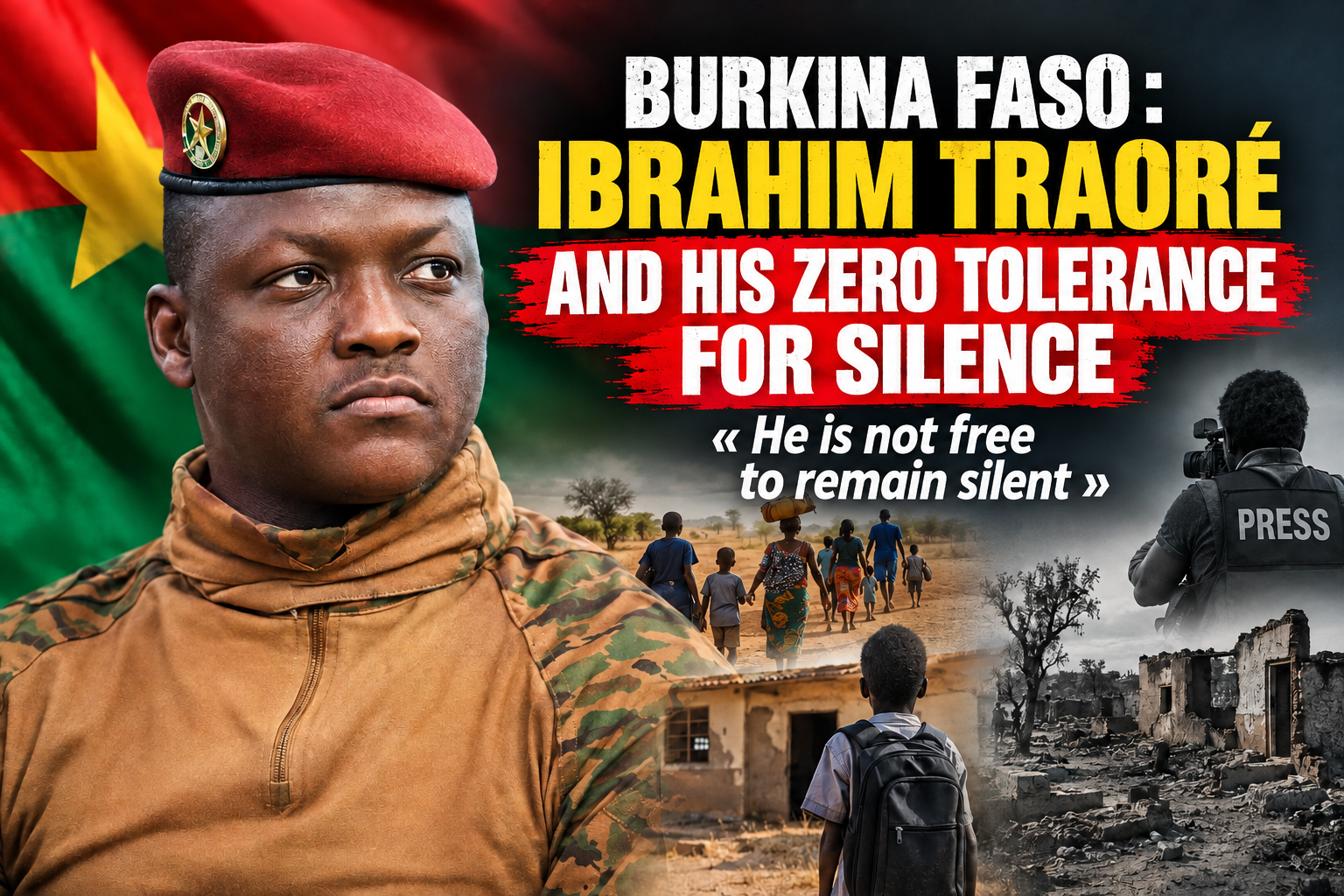
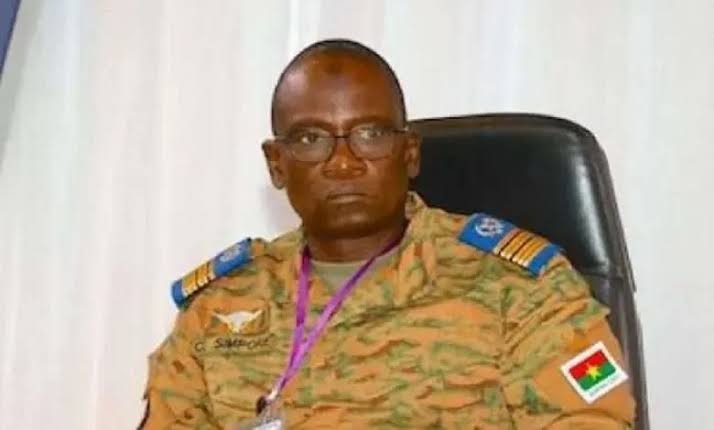
In a televised address, Burkina Faso’s head of state, Captain Ibrahim Traoré, addressed the historical enslavement of African populations by Arab powers over centuries—a topic rarely confronted in public discourse that has now sparked intense reactions across the Muslim world.
Speaking from Ouagadougou, Traoré emphasized that the legacy of this slavery continues to shape contemporary challenges in the Sahel region, particularly in fueling radical interpretations of Islam that threaten regional stability. His remarks, delivered during a national address, marked one of the most direct condemnations of Arab slavery in Africa from an African leader in recent history.
The Burkinabe president did not mince words, describing the centuries-long practice as a gross violation of human dignity and a stain on the collective memory of the continent. He called for a reckoning with this history as a necessary step toward addressing modern-day extremism, which he argued has been partly shaped by the unresolved trauma of past injustices.
“The silence surrounding this issue has allowed extremist ideologies to take root,” Traoré stated. “We must confront our history honestly if we are to dismantle the narratives that extremists exploit to justify violence and oppression.”
Reactions across the Sahel and beyond
Traoré’s statements have triggered a wave of responses, both supportive and critical, from religious leaders, scholars, and political figures across West Africa and the broader Muslim world. While many in Burkina Faso and neighboring countries praised his courage in addressing a taboo subject, others condemned his remarks as inflammatory or historically inaccurate.
Support from Pan-African circles
African intellectuals and activists have hailed Traoré’s speech as a long-overdue acknowledgment of a painful chapter in the continent’s history. “For too long, this issue has been swept under the rug,” said one historian based in Bamako. “By speaking out, Traoré is not only addressing historical injustices but also challenging the narratives used by extremist groups to recruit and radicalize.”
Criticism from religious leaders
In contrast, some Muslim clerics and organizations have criticized the president’s remarks, arguing that they oversimplify a complex historical period and risk deepening divisions. A prominent imam in Niamey stated, “Slavery existed in all societies, and reducing it solely to Arab involvement ignores the broader context of human trafficking across civilizations.”
The debate has also extended to social media, where hashtags like #ArabSlaveryInAfrica and #TraoréSpeaksTruth have trended among African users, reflecting the polarizing nature of the discussion.
Implications for regional security
Traoré’s address comes at a time when the Sahel is grappling with escalating violence linked to extremist groups. Observers suggest that his willingness to confront this historical issue may be part of a broader strategy to counter radical narratives that have gained traction in the region.
“Addressing historical grievances is not just about justice—it’s about undermining the propaganda that extremists use to justify their actions,” said a security analyst based in Niamey. “If this conversation leads to greater awareness, it could help reduce the appeal of radical groups.”
What’s next?
The Burkinabe government has not yet announced concrete measures following Traoré’s speech, but there are indications that educational reforms may be considered to incorporate this history into school curricula. Meanwhile, discussions continue in academic and diplomatic circles about how to address the legacy of slavery without stoking further divisions.
The president’s bold stance has undeniably shifted the conversation, forcing a reckoning with a history that many would prefer to leave buried. Whether this leads to meaningful change or further polarization remains to be seen.