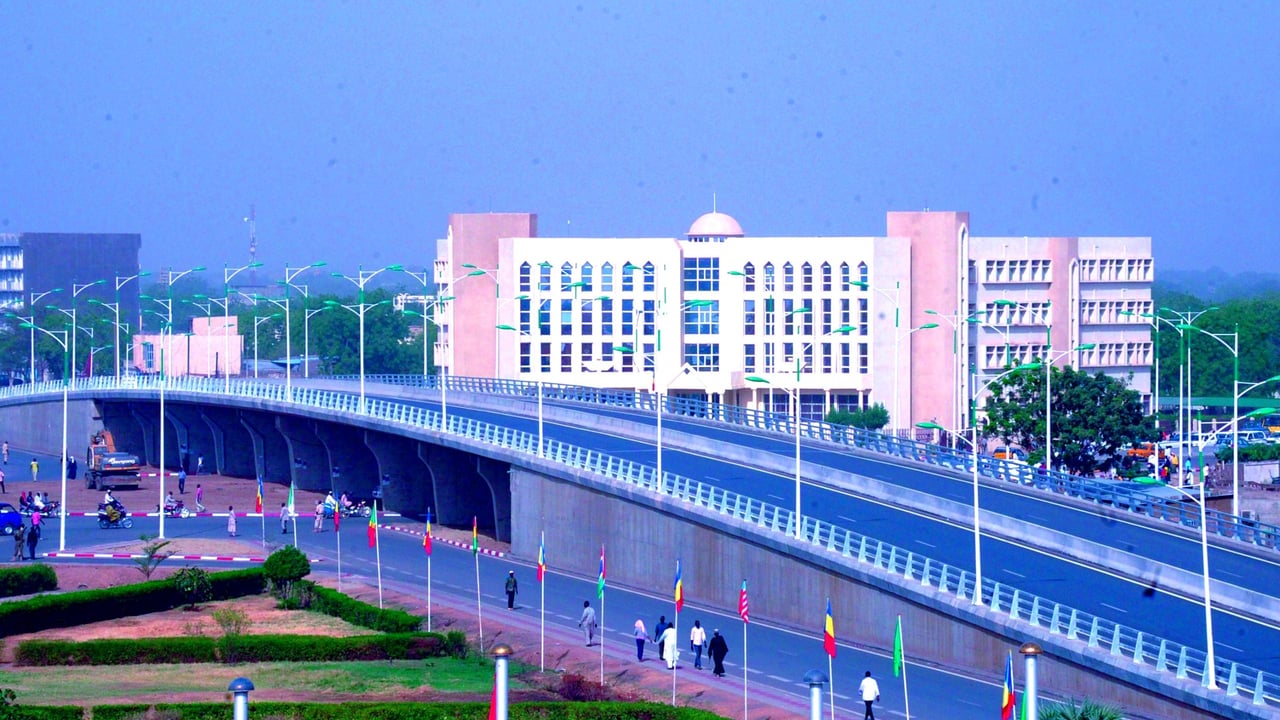


Standard & Poor’s recent decision to maintain Chad’s sovereign credit rating at B- with a stable outlook serves as a strong endorsement of the Tchad Connexion 2030 national development strategy. The Ministry of Finance highlighted that this vote of confidence reflects the country’s robust economic momentum, driven by steady growth, controlled debt levels, and sustained support from international partners.
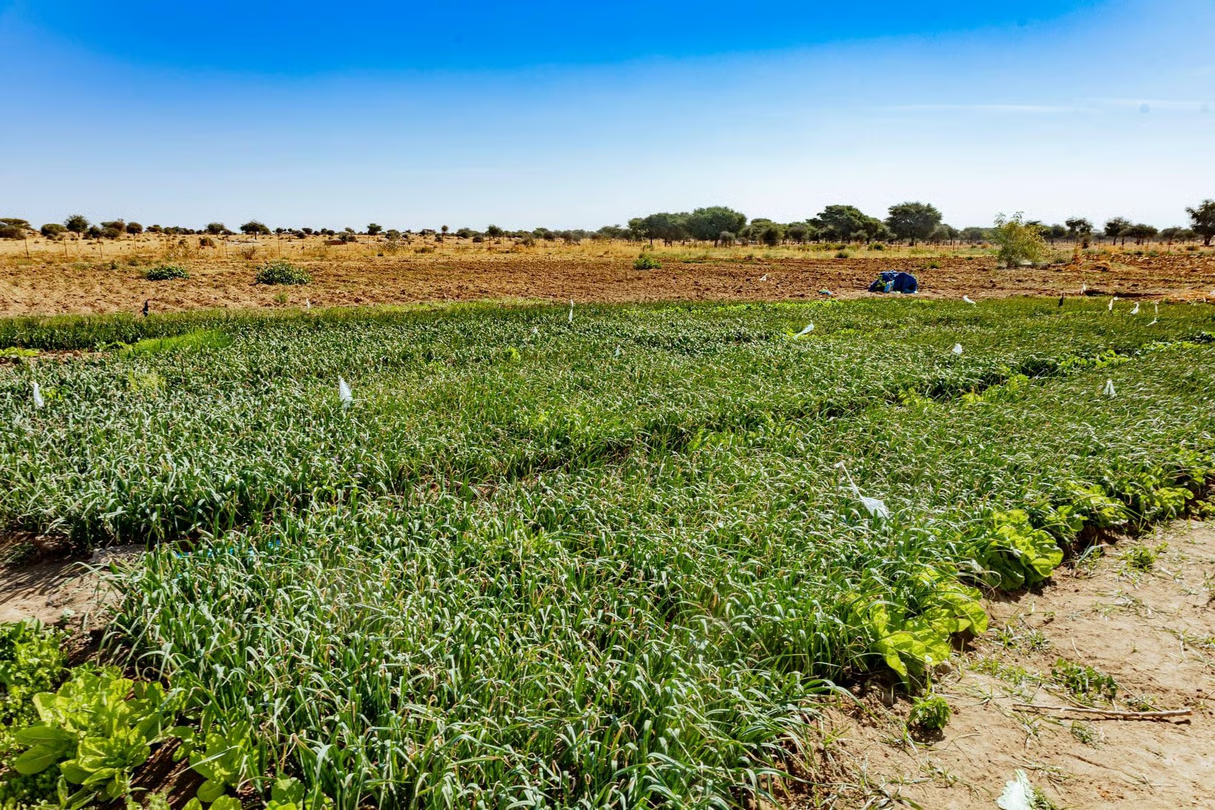
Growth revised upward: from 3.6% to 5.2%
Chad’s economic activity has steadily strengthened since 2023, fueled by rising hydrocarbon prices and a recovery in services. Standard & Poor’s now projects real GDP growth of 5% for 2025—up from its December 2024 forecast of 3.6% annually between 2024 and 2027. The International Monetary Fund (IMF) has similarly upgraded Chad’s growth outlook to 5.2%, underscoring the economy’s resilience.
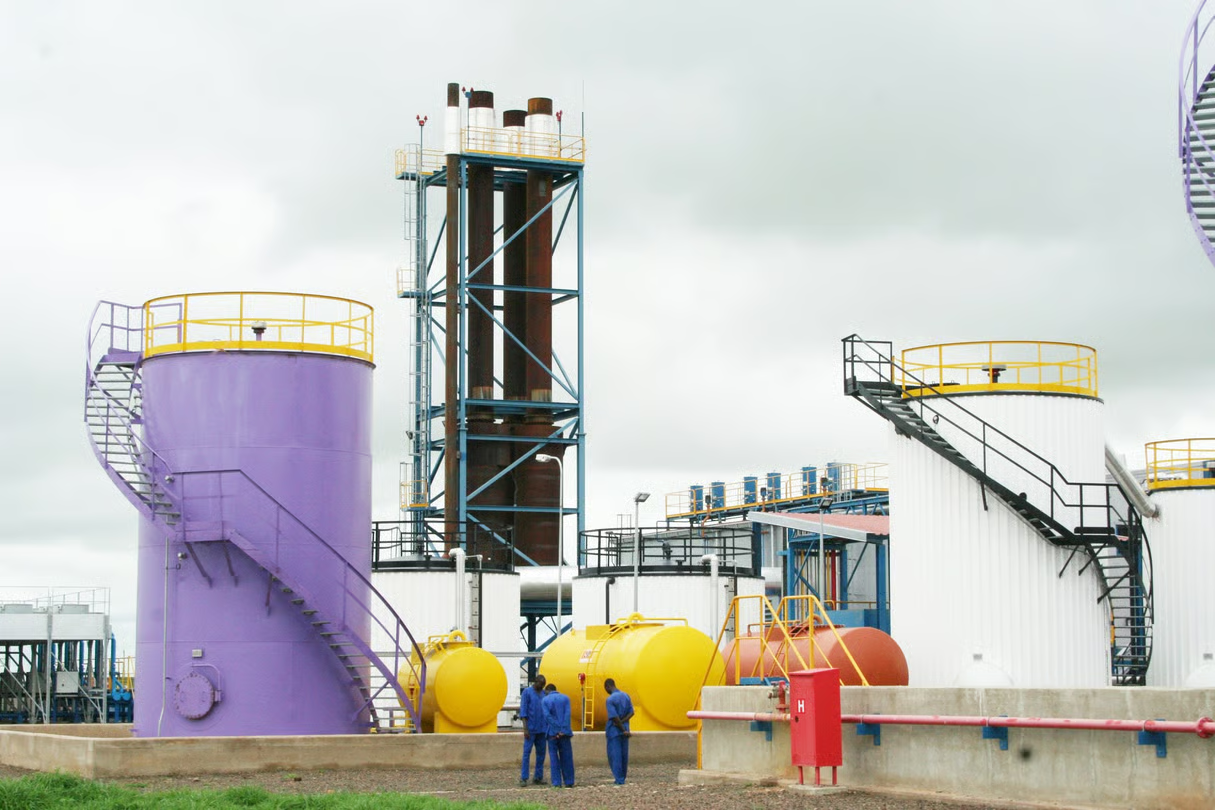
Recent improvements in agricultural output and a rebound in non-oil sectors have diversified growth drivers, though the oil sector remains critical, accounting for a significant share of exports and public revenue. Meanwhile, agriculture and services are bolstering domestic demand. These positive trends align with the objectives of the Tchad Connexion 2030 plan.
Debt levels under control
Chad has made significant strides in managing its public debt, reducing vulnerabilities that once posed challenges. The country’s debt-to-GDP ratio now stands at approximately 36%, a moderate level compared to peers. In 2022, Chad became the first nation globally to utilize the G20’s Common Framework for restructuring its external debt.
Today, external debt represents just half of total debt and is predominantly concessional, offering favorable repayment terms. This fiscal prudence has restored Chad’s financial flexibility, enhanced its debt profile in the eyes of investors, and enabled progress toward the Tchad Connexion 2030 development agenda. Authorities continue to pursue cautious fiscal policies that balance debt sustainability with investments in infrastructure and social programs.

Boosting domestic revenue collection
Chad has recorded notable progress in mobilizing domestic revenues—a cornerstone of its ongoing economic reforms. The tax-to-GDP ratio, while still below optimal levels, rose from 9.8% in 2022 to 13.1% in 2023, according to OECD data. This reflects expanded tax bases and improved tax administration.
The upward trend continued in 2025, with non-oil revenues exceeding projections, supported by strong performance in non-hydrocarbon sectors and measures implemented under the IMF agreement approved in July 2025 (valued at $625.3 million). Further, the digitization of public finances and strengthened governance are enhancing collection efficiency.
«This rating confirmation,» the Ministry of Finance stated, «reinforces Chad’s financial credibility and serves as a key asset in attracting private investment while bolstering confidence among international partners in the reform trajectory.»
Expanding horizons with Tchad Connexion 2030
While S&P’s stable rating validates recent economic strides, work remains to solidify gains in economic diversification, tax revenue mobilization, and sustainable debt management. Infrastructure development also demands continued investment. These priorities are central to the Tchad Connexion 2030 national development strategy.
Adopted on May 29, 2025, during a cabinet meeting concluding Chad’s political transition, the plan follows the 2021 passing of President Idriss Déby Itno and the 2024 election of President Mahamat Idriss Déby Itno. It builds on a new Constitution and a national reconciliation dialogue.
With a $20.5 billion funding package secured from public and private partners in Abu Dhabi (November 2025), Chad is poised for economic transformation. The 268 cross-cutting projects under the plan aim to lift 2.6 million citizens out of poverty by 2030, driving an 8% annual growth rate and expanding GDP by 60%. The strategy is structured around four pillars:
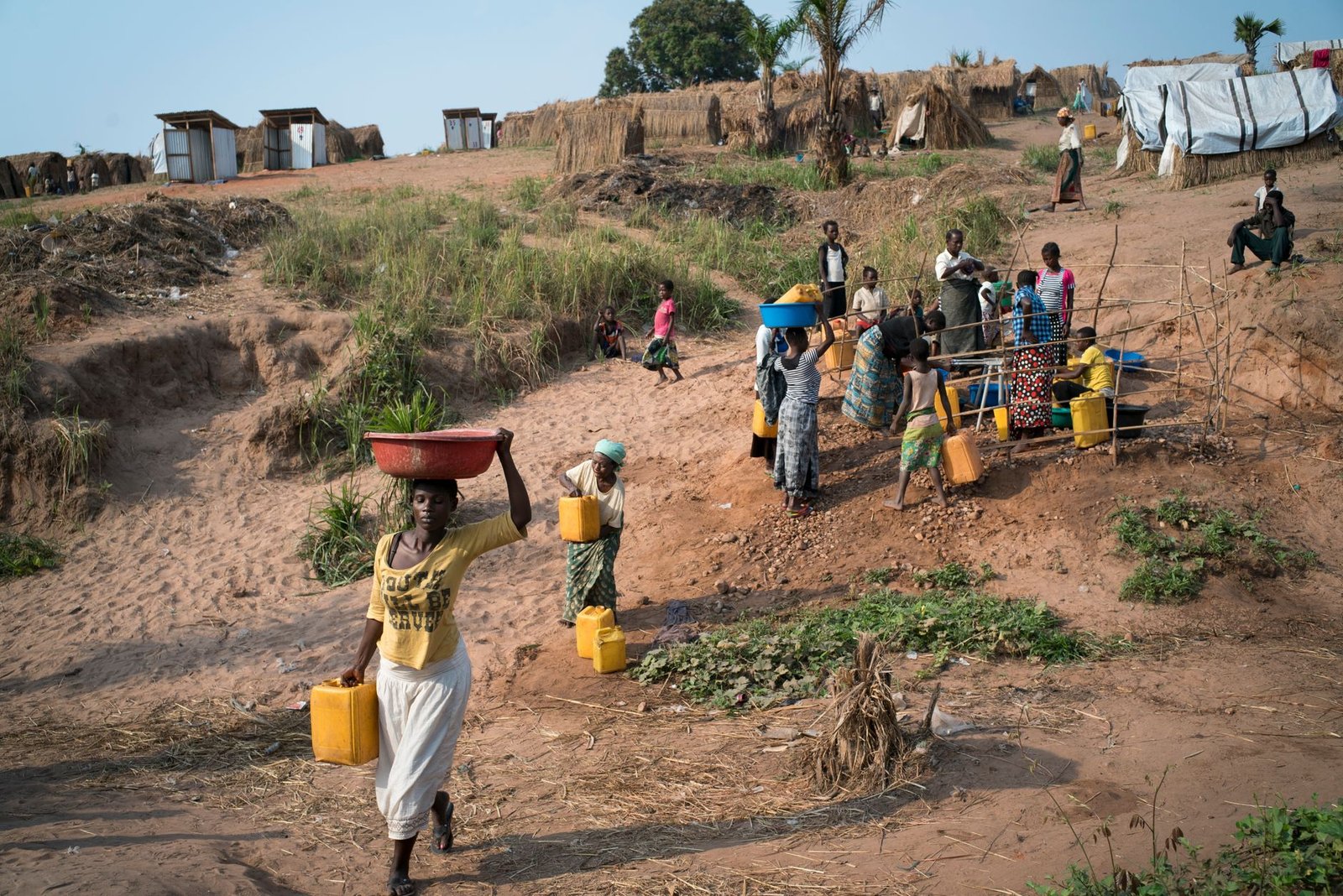
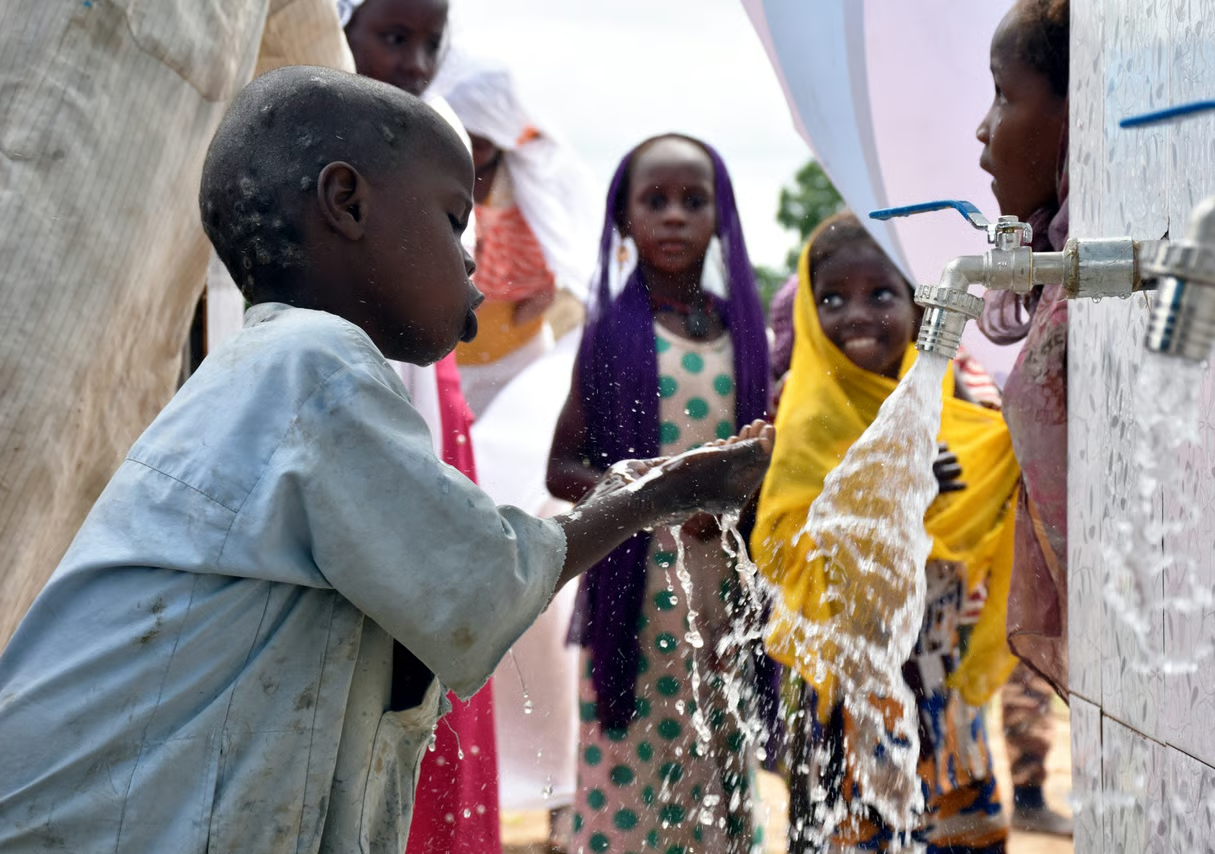
- Accelerating strategic infrastructure: electricity, water, roads, and telecommunications.
- Strengthening social policies: education, healthcare, vocational training, youth employment, and social inclusion.
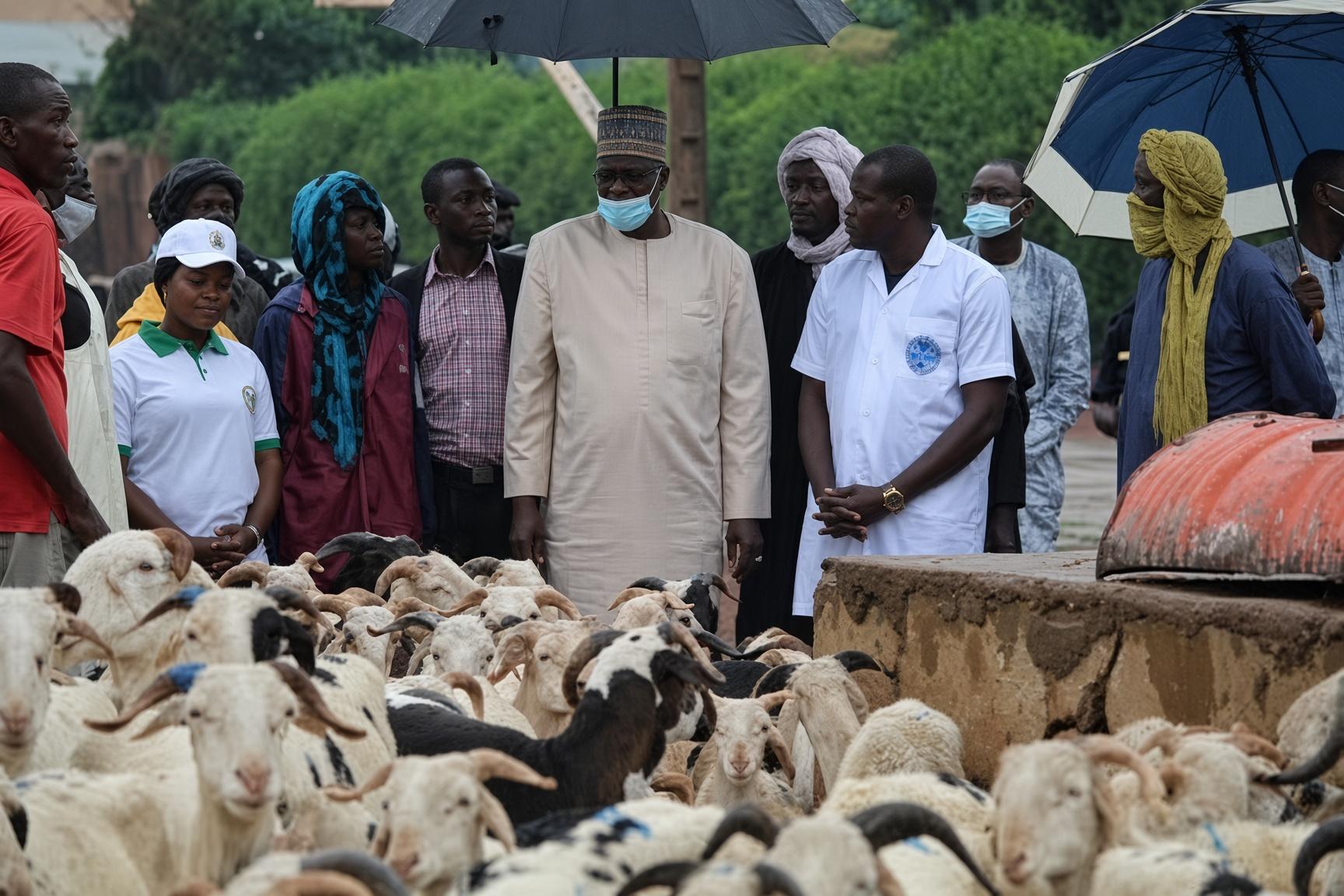
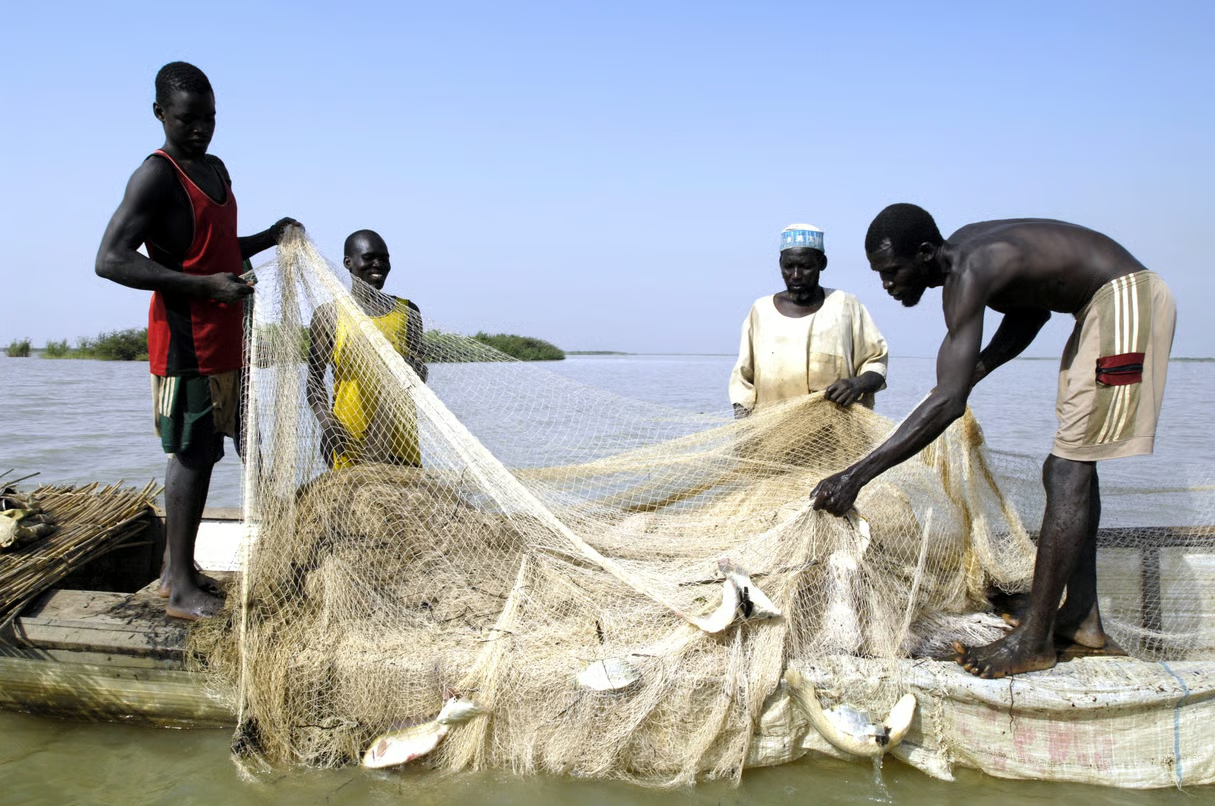
- Economic diversification: developing export-oriented sectors in agriculture, livestock, fishing, hydrocarbons, mining, and tourism, with a focus on local value addition.
- Improving the business environment: streamlining administrative processes to boost investor confidence.