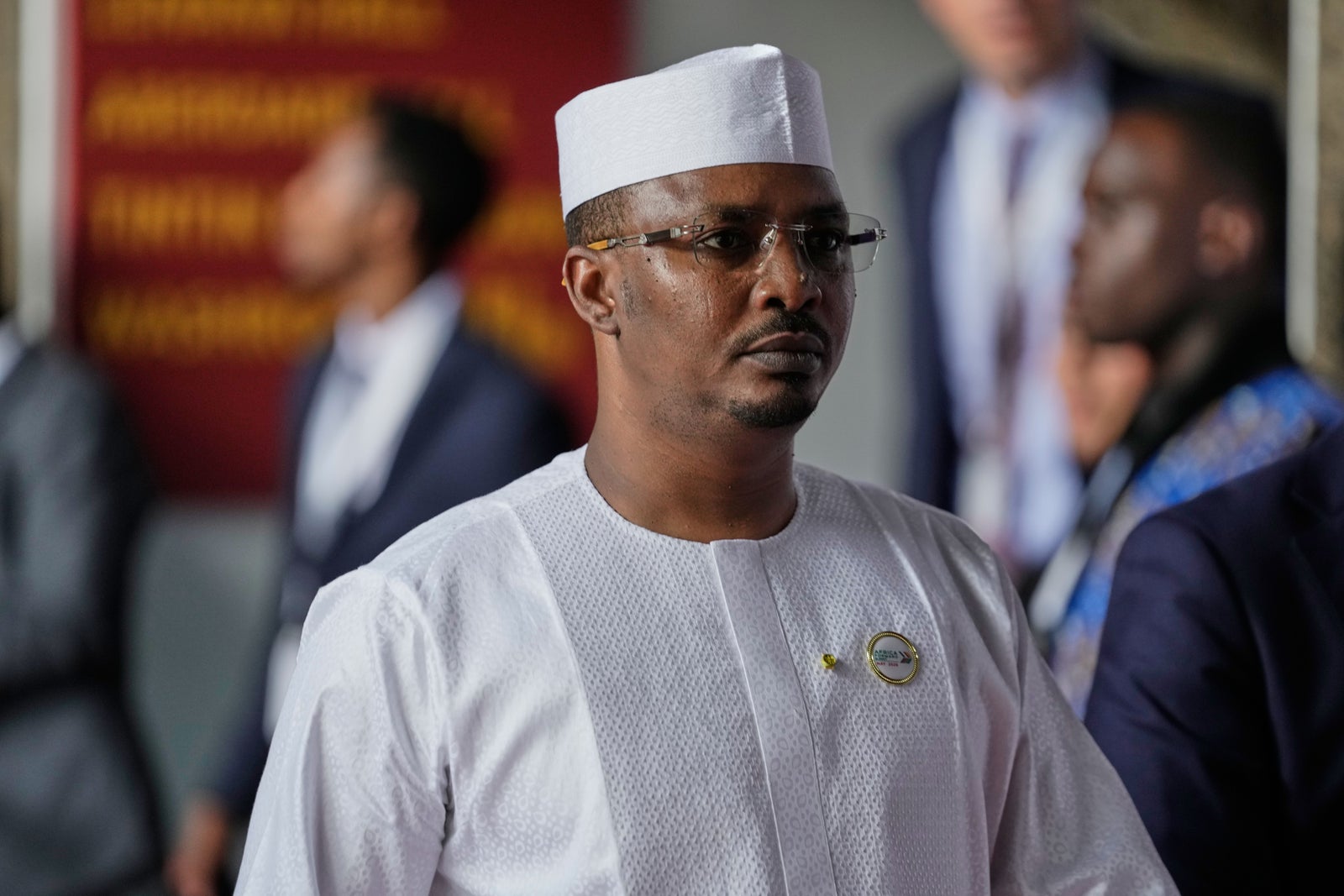

Chad has officially declared its withdrawal from the International Criminal Court (ICC), citing concerns over the Court’s “limited and inconsistent” performance. The announcement came in a government statement released on Monday, highlighting a comprehensive review of the ICC’s operations since its establishment in 2002.
The Chadian government emphasized that while the ICC has initiated thirteen investigations since its inception, nine have focused on African nations, with only four in other regions. Moreover, it pointed out that only seven individuals remain detained, six of whom are facing prosecutions related to African cases.
US pressure behind the decision
According to a statement from Chad’s Ministry of Foreign Affairs released on Thursday, the decision was influenced by a request from the United States. During a phone call between the US Assistant Secretary of State for African Affairs and Chad’s Foreign Minister, Washington expressed concerns about the ICC’s functioning and urged N’Djamena to reconsider its adherence to the Rome Statute.
The Chadian Foreign Minister, Abdoulaye Sabre Fadoul, however, clarified that the withdrawal was not solely driven by American demands. Speaking to reporters on Friday, he stated, “This decision is not at the request of the Americans.”
Chad under scrutiny
Chad’s move comes as it faces allegations from Sudan’s military and several human rights organizations. These groups accuse Chad of facilitating arms shipments from the United Arab Emirates to the Rapid Support Forces (RSF), a paramilitary group engaged in a brutal civil war against Sudan’s military since April 2023.
Vincent Brengarth, a French lawyer representing several NGOs, expressed concern that Chad’s withdrawal could undermine ongoing efforts, including a 2025 complaint filed on behalf of these organizations. The complaint addresses alleged complicity in international crimes, including the transfer of weapons from the UAE to the RSF.
Both sides in the Sudanese conflict have been widely accused of committing war crimes, including systematic attacks on civilians and indiscriminate bombings of populated areas.
Brengarth warned that this withdrawal weakens the global framework for international justice and increases fears that perpetrators of grave crimes may evade accountability. He added, “Beyond this specific case, this decision undermines the international architecture of criminal justice and reinforces concerns that those responsible for the most serious crimes may escape prosecution.”
The move follows Venezuela’s announcement of its own withdrawal from the ICC on Friday. Venezuela’s Foreign Minister, Felix Plasencia, cited a “clear geographical bias” that has disproportionately focused the Court’s activities on African and Latin American countries, sidelining other regions.