Chad opposition leader success masra receives presidential pardon
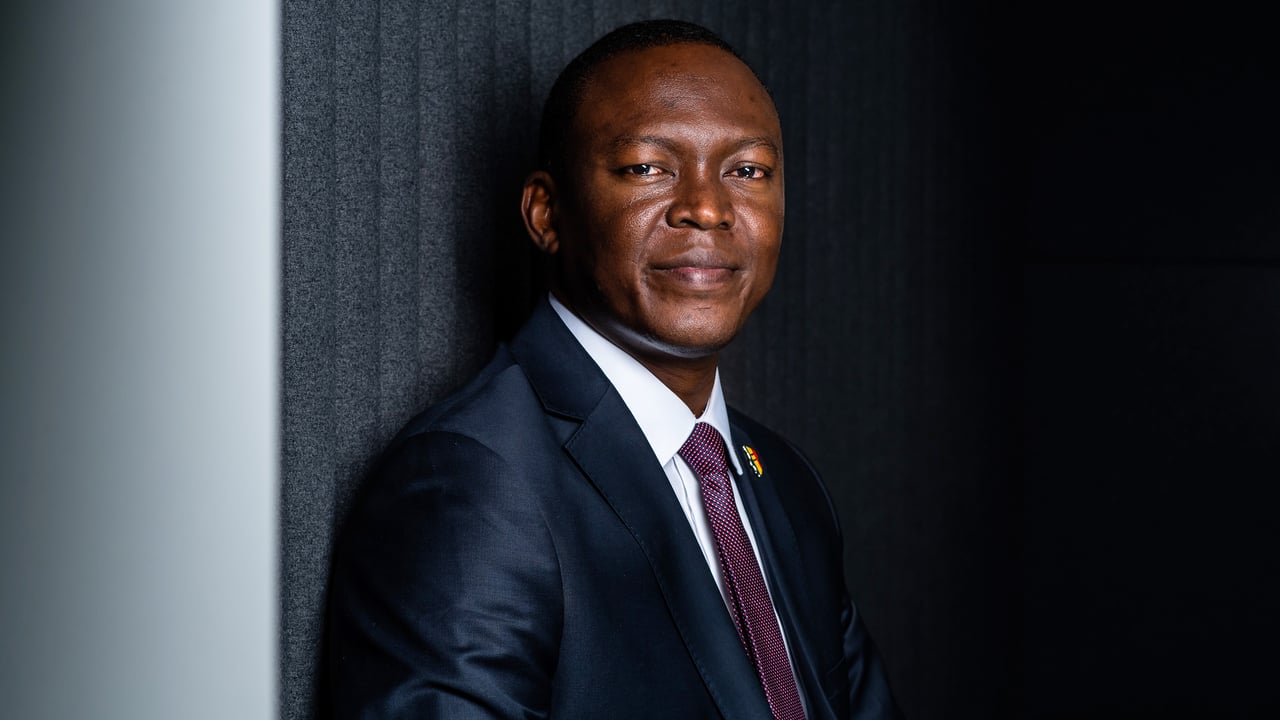

In a landmark decision that signals a potential shift in Chad’s political landscape, opposition figure Succès Masra has been granted a full pardon by Mahamat Idriss Déby Itno, the nation’s transitional president. The move comes amid growing calls for national reconciliation and follows months of intensified political tensions.
From detention to freedom: A pivotal moment
The pardon marks the end of a challenging chapter for Masra, who had been held in custody since last year after leading protests against the military-led government. His detention sparked widespread criticism both domestically and internationally, with rights groups condemning the government’s handling of the situation. Masra’s release is being seen as a bold step toward easing political divisions in Chad.
Observers note that this decision could pave the way for broader dialogue between the government and opposition groups, fostering an environment where diverse political voices can be heard without fear of reprisal.
Government signals commitment to reform
President Mahamat Idriss Déby Itno has framed the pardon as part of a wider effort to heal the nation and promote inclusivity. In an official statement, the presidency emphasized the importance of national unity, stating that Masra’s release reflects the government’s dedication to turning a new page in Chad’s political history.
Analysts suggest that the move may also be a strategic effort to boost the government’s legitimacy ahead of upcoming political transitions. By extending an olive branch to a prominent opposition leader, the administration appears to be signaling a willingness to engage in constructive dialogue rather than relying solely on coercive measures.
What this means for Chad’s future
The pardon of Succès Masra could have far-reaching implications for Chad’s political trajectory. Political analysts are cautiously optimistic, noting that while the gesture is significant, true reconciliation will require sustained commitment from all parties involved.
The opposition leader’s release may encourage other detained activists to push for their rights through legal and political channels rather than confrontation. Meanwhile, the government faces the challenge of ensuring that this gesture is followed by tangible reforms that address the underlying grievances fueling past unrest.
As Chad navigates this delicate phase, the international community will be watching closely to see whether this development leads to broader stability or remains an isolated act of goodwill.