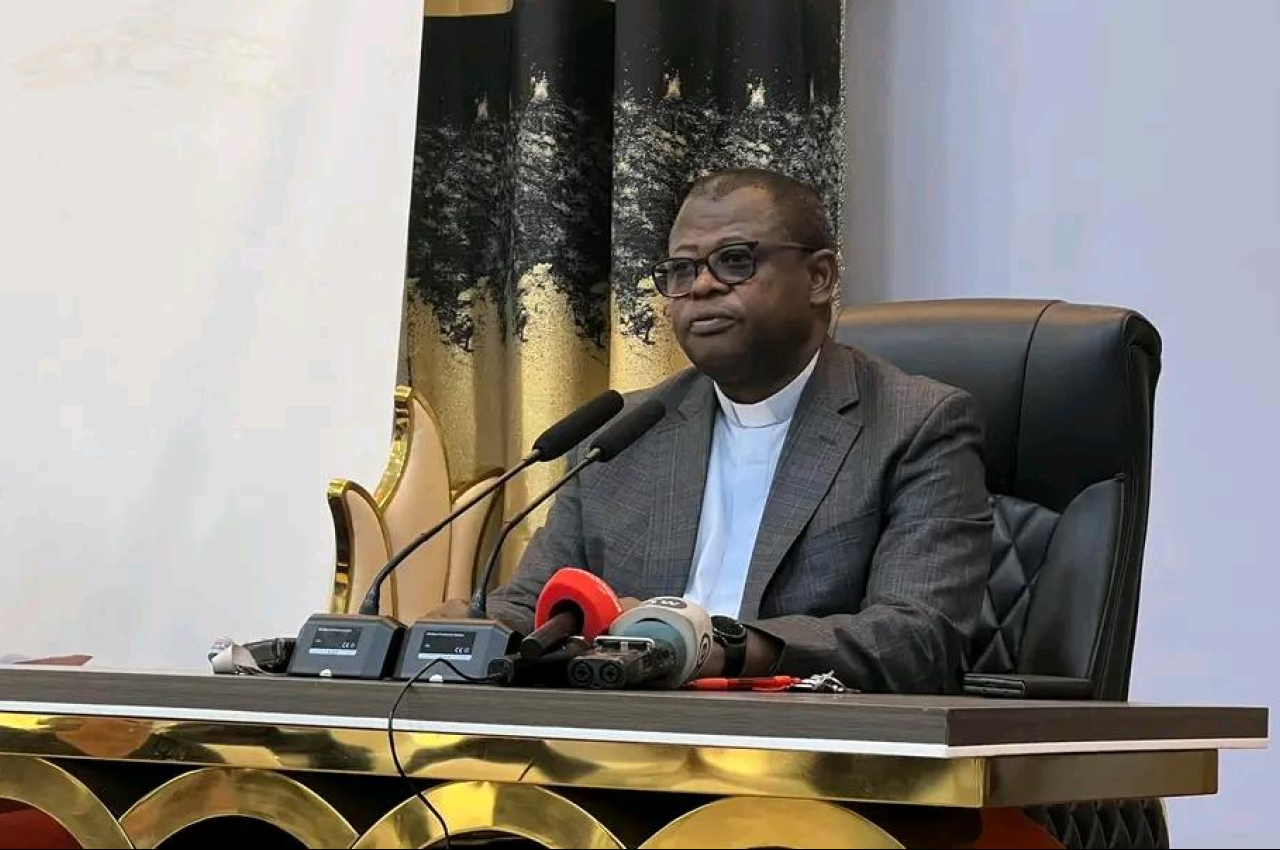
The Article 64 coalition, which stands firmly against the proposed constitutional amendments in the République démocratique du Congo (RDC), has just received significant backing. The Conférence épiscopale nationale de la République démocratique du Congo (CENCO) has issued a blunt rejection of the project. This initiative is widely seen as a strategy to permit President Félix Tshisekedi to seek a third term, which would directly contravene the current Constitution’s two-term limit. The religious leadership warns that such a political move places the entire nation in jeopardy.
The danger of ignoring religious warnings
The Catholic Church maintains that any attempt to force these changes through carries grave risks, including the potential balkanization of the country. Clergy members have issued a clarion call to the Congolese people, stating that the nation is in a fragile state and that citizens must stand up to secure their own destiny. CENCO has specifically challenged Félix Tshisekedi to remain faithful to his presidential oath to protect and respect the existing constitutional framework.
Whether these pleas will be heard remains to be seen, but the administration is unlikely to welcome this intervention. This clerical opposition arrives shortly after Parliament approved legislation for a referendum, effectively giving the executive branch the green light to proceed with constitutional changes. It appears the government is committed to this path, raising the question of whether the Church is simply shouting into the void or if Félix Tshisekedi will reconsider his trajectory.
While the bishops insist they are not formally joining the political opposition, their firm stance provides significant political capital to those resisting the amendment. For the leader in the Palais de marbre, continuing to ignore these voices could be a strategic error. The emergence of multiple opposition fronts threatens to undermine the stability of the current administration. As peacebuilders, the prelates argue they cannot stay silent on a project that divides the population and risks sparking widespread unrest.
A historical precedent and current crises
The President now finds himself in a difficult position. While he might have felt comfortable dismissing traditional political opponents—even after their protests and “dead city” strikes were met with force—the entry of CENCO as a major civil society actor changes the dynamic. It is worth noting that Félix Tshisekedi himself benefited from CENCO’s influence in the past. In 2017, it was the Catholic Church’s pressure that helped prevent his predecessor, Joseph Kabila, from extending his stay in power.
If the President wishes to leave a positive legacy, he must weigh his next moves carefully. The Congolese people are already enduring immense hardship due to the ongoing conflict in the East and the persistent threat of Ebola. Adding a self-inflicted political crisis to these existing humanitarian challenges could prove disastrous for the country’s future.