Cameroun’s treasury secures 800 billion FCFA on domestic market
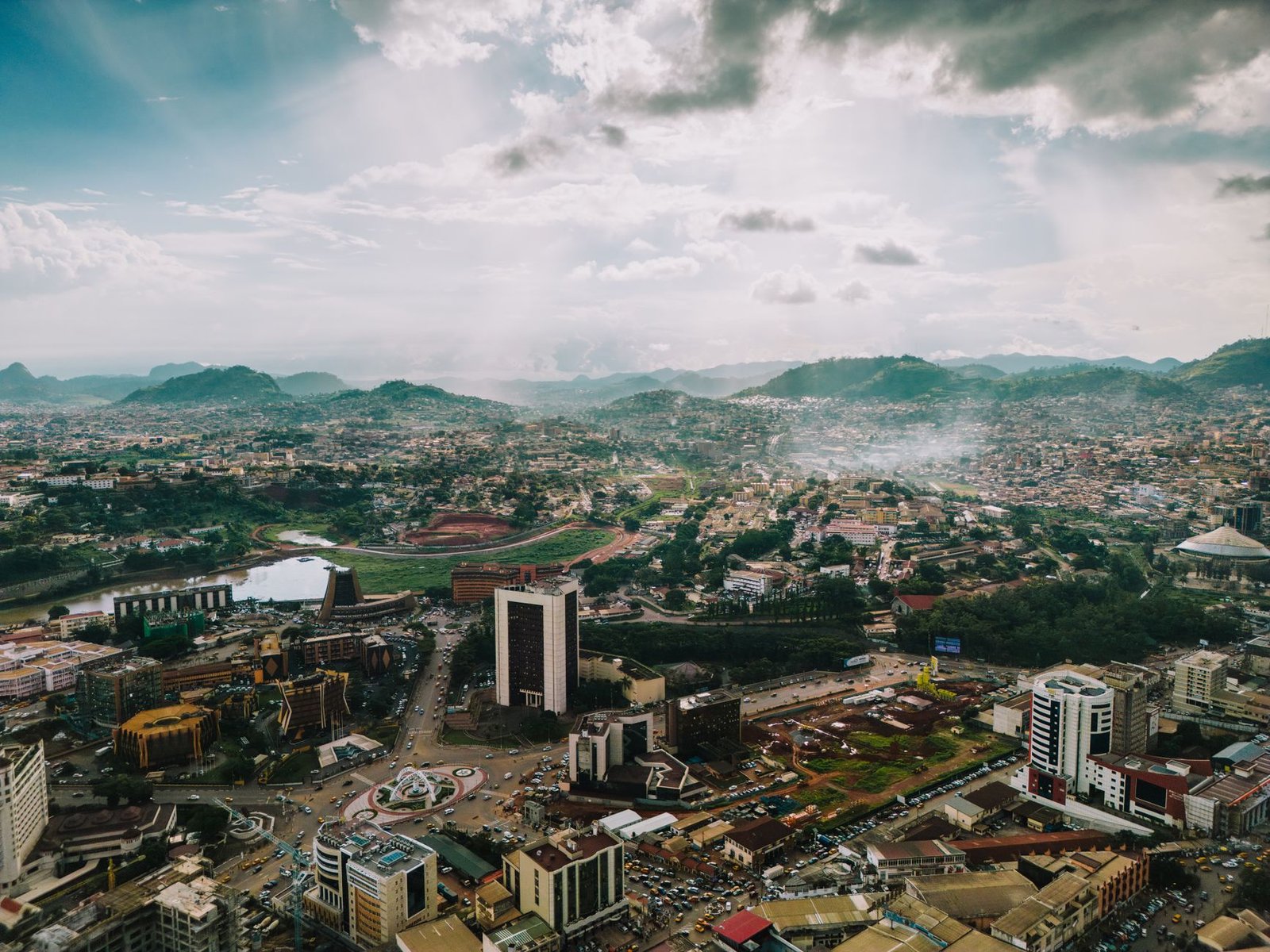
Cameroon’s public Treasury successfully mobilised 800.7 billion FCFA on the domestic market during the first half of 2026, translating to approximately 1.4 billion US dollars. This figure, highlighted in the monthly public debt report published by the Autonomous Amortisation Fund (CAA) on July 27, 2026, underscores a strategic shift in Yaoundé’s domestic financing approach, albeit within the context of the Central African Economic and Monetary Community (CEMAC).
Slowdown observed in domestic market fundraising
Compared to the 1,525.9 billion FCFA raised over the entirety of 2025, the six-month total indicates a noticeable deceleration in reliance on domestic borrowing. If this trend continues, the Cameroonian government is expected to conclude the year with around 1,600 billion FCFA in domestic financing—a figure comparable to 2025 but falling short of earlier growth projections. Specifically, the pace of government bond issuances, including treasury bills and bonds, appears to have been deliberately moderated or has faced more selective investor demand across the region.
Several underlying factors contribute to this contraction. Banking liquidity within the CEMAC zone, heavily tied to oil deposits and foreign exchange reserves managed by the Bank of Central African States (BEAC), remains vulnerable to hydrocarbon revenue fluctuations. Additionally, the surge in competing sovereign bond issuances from countries such as Gabon, Chad, and the Republic of the Congo has intensified competition, straining the absorption capacity of primary banks, which are key subscribers to regional public debt instruments.
Financing strategy constrained by regional dynamics
The decline in mobilised funds also reflects Cameroon’s efforts to manage the rising cost of servicing domestic debt. Recent CEMAC bond yields have trended upward, driven by both the BEAC’s restrictive monetary policy and heightened risk premiums demanded by investors. For the Treasury, striking a balance between fundraising volume and weighted costs has become a delicate balancing act, particularly as the average maturity of issued bonds influences future refinancing profiles.
The CAA’s monthly monitoring typically aligns cash flow needs tied to budget execution, debt maturities, and actual resources raised. While Cameroon’s position as the CEMAC’s largest economy grants it a benchmark status in the public bond market, this role also imposes a responsibility to maintain investor confidence. A controlled slowdown may signal prudent fiscal management; an involuntary decline, however, could raise concerns about long-term fiscal sustainability.
What lies ahead for the second half of the year
The upcoming issuance calendar for the second half will be critical in assessing the trajectory of domestic borrowing. Future operations must account for upcoming repayment deadlines and the financing requirements of public investment programs, particularly in infrastructure and energy sectors. The Ministry of Finance, led by Louis Paul Motaze, has historically balanced domestic market reliance with external funding sources, including drawdowns from multilateral partners such as the International Monetary Fund and the World Bank.
Yet, the depth of the regional market remains a pressing question. The Central African Securities Exchange (BVMAC) continues to struggle in attracting investment flows comparable to those seen on platforms like the BRVM in West Africa. In this environment, the Cameroonian Treasury’s ability to diversify its investor base—by engaging panafrican funds or non-banking institutional investors—will determine the success of future fundraising efforts. The next six months will serve as a critical test for Yaoundé’s domestic financing strategy.