Cameroun’s leadership gap: economic paralysis and social unrest under Paul Biya’s absence
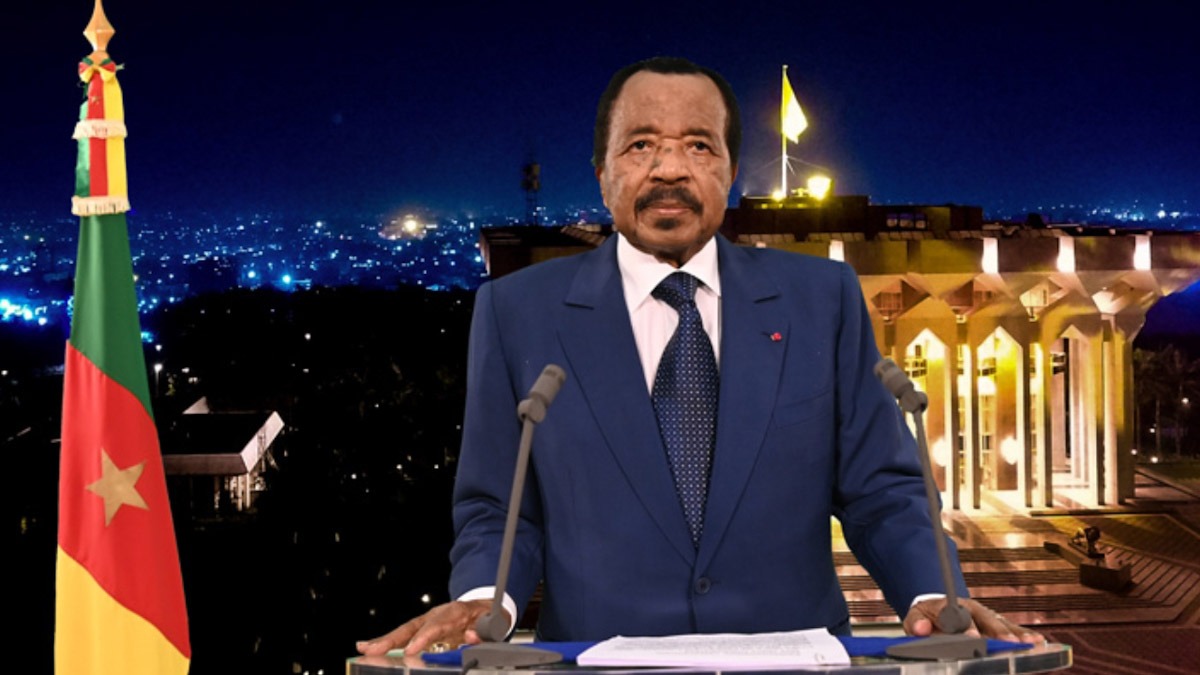
Cameroun’s economy and daily life are grinding to a halt amid the prolonged absence of President Paul Biya. Since his departure from Yaoundé on June 7, 2026, for what was described as a ‘short private stay in Europe,’ the nation has been operating in a state of uncertainty. With no public appearances or confirmed return date, the leadership void at the highest level is no longer just a political talking point—it is reshaping the country’s economic and social landscape in measurable ways.
1. Economic slowdown: Markets falter and governance stalls
In Cameroun, where power is tightly centralized around the presidency, the absence of Paul Biya has triggered a cascade of institutional and financial blockages:
- Financial markets lose confidence: Recent assessments reveal that Cameroonian dollar-denominated bonds are among the worst-performing in Africa. Rating agencies highlight the lack of clarity on succession and the growing perception of political instability among international investors.
- Frozen development projects: Large-scale infrastructure initiatives and public-private partnerships require high-level executive decisions. Without these, project files pile up on ministerial desks, delaying fund disbursements and state budget execution.
- Administrative paralysis persists: Although a constitutional reform in April 2026 introduced a vice-presidential position to prevent leadership gaps, the role remains unfilled. Similarly, an anticipated cabinet reshuffle has yet to materialize, reinforcing a climate of institutional inertia.
2. Social strain: Rising costs and growing public frustration
The ripple effects of this leadership vacuum are keenly felt by ordinary citizens:
- Inflation erodes household budgets: Local markets continue to face steep rises in essential goods and fuel prices. Without responsive fiscal adjustments, the purchasing power of Cameroonians keeps declining.
- Distrust and anxiety take root: The absence of official updates fuels rampant speculation across social media. This information blackout breeds resentment among the population and youth, deepening social tensions.
- Critical issues sidelined: Key challenges such as the Anglophone crisis in the North-West and South-West regions, youth unemployment, and crumbling infrastructure lack the political momentum needed for sustainable solutions.
Leadership gap exposes deep-rooted weaknesses
The prolonged absence of Paul Biya, Cameroun’s head of state, is laying bare the structural vulnerabilities of the country’s governance model. It underscores how an over-reliance on a single leader can destabilize the entire socio-economic framework when that leader steps away.
To restore investor confidence and maintain social cohesion, restoring clear governance and reigniting day-to-day state functions has become an immediate necessity.