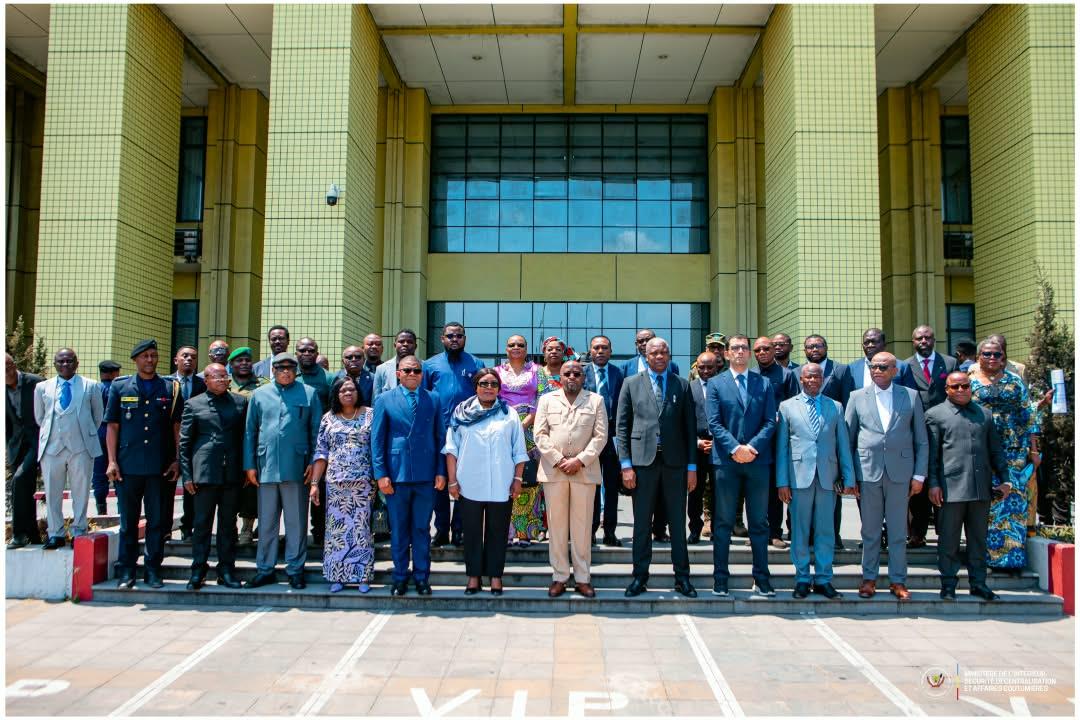
Three consecutive fiscal years deliberated in a single session. On Friday, June 26, 2026, Prime Minister Joseph Dion Ngute led a Cabinet meeting to finalize the 2027–2029 national budgets. With projected growth at 3.5% for 2026 and a public debt ceiling capped below 50% of GDP, the decisions made that day will steer Cameroon’s economic course for the next four years.
Key economic benchmarks endorsed
The Deputy Minister of Finance outlined the macroeconomic landscape. While global growth slows from 3.4% in 2025 to 3.1% in 2026—due to lingering effects from the 2026 Middle East conflict—Cameroon is projected to maintain steady expansion at 3.5% in 2026 and 3.7% in 2027. Inflation continues its downward trend, easing pressure on household budgets.
Behind the push for fiscal discipline looms the shadow of an imminent International Monetary Fund agreement. The 2027–2029 budget framework is designed to align with a new Economic and Financial Program with the IMF, explicitly targeting a public debt-to-GDP ratio below 50%. Focus will shift toward boosting non-oil domestic revenue and streamlining public expenditure.
Sectoral investments to reshape the economy
The Minister of Economy, Planning, and Territorial Development unveiled the 2027–2029 Priority Investment Program. Key sectors earmarked for accelerated development include digital infrastructure, road and rail networks, energy, water supply, agriculture, and manufacturing. Digital infrastructure deployment takes center stage, alongside urgent upgrades to the national power grid to meet rising demand.
What these decisions mean for everyday Cameroonians
On the social front, the government pledged to expand universal health coverage to underserved communities. The Special Fund for Women’s Economic Empowerment and Youth Employment will also see accelerated disbursements—an initiative frequently highlighted in policy announcements.
The Cabinet adopted the 2027–2029 Economic and Budgetary Programming Document, slated for parliamentary review during the Budget Orientation Debate. While procedural, this step imposes binding constraints on ministries to ensure fiscal discipline. Prime Minister Ngute directed the Minister of Finance to finalize the document swiftly, in close coordination with the Economy Ministry. Public project performance contracts are set to become standard practice across government agencies.