Cameroon’s glasses affair: behind the scenes of a verdict that shook the press
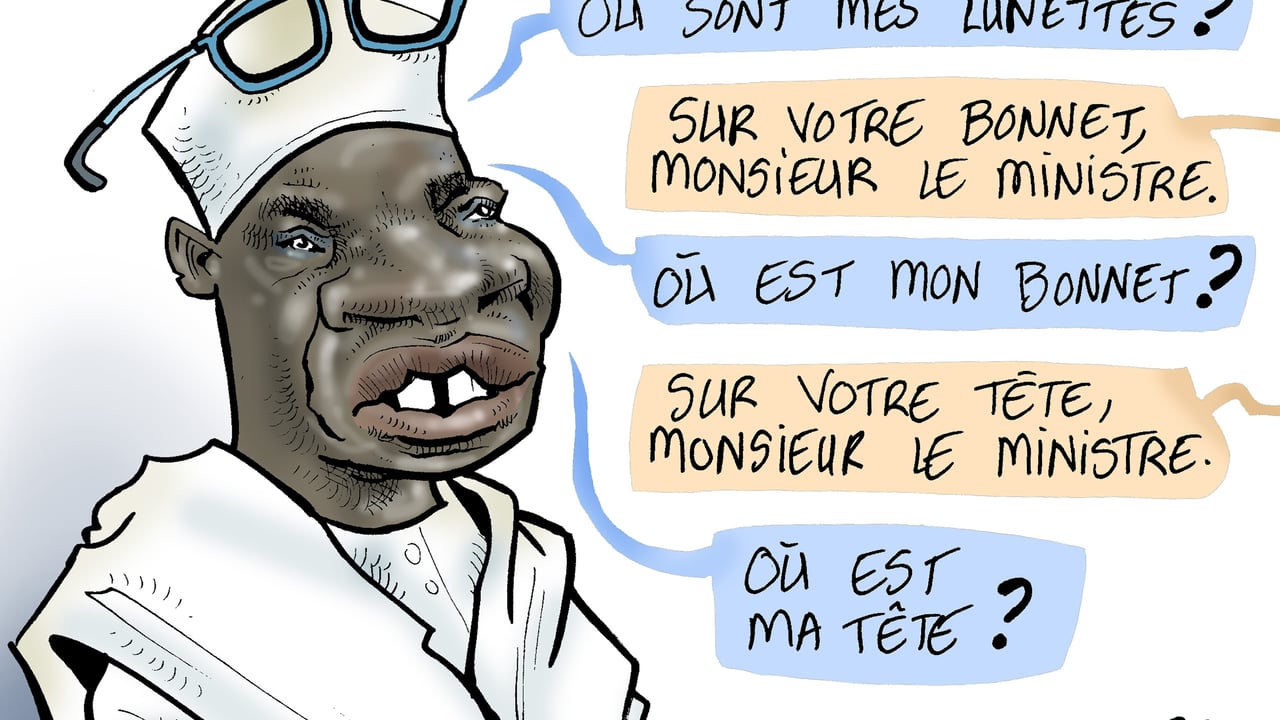
When a seemingly trivial story about a minister’s eyeglasses escalated into a full-blown legal case, few could have predicted the consequences for Cameroon’s media landscape. Four journalists found themselves in court, facing charges that many observers considered disproportionate. The verdict sent shockwaves through newsrooms across the country, raising urgent questions about the state of press freedom and the use of judicial power.
How a minor detail became a major legal battle
The case began with reports suggesting that a government minister had acquired a pair of expensive eyeglasses using public funds. What might have remained a footnote in the daily news cycle instead snowballed into a judicial ordeal for the journalists who covered it. According to court documents, the reporters were accused of defamation and spreading false information, charges that carry significant penalties under Cameroonian law.
Legal experts point out that such cases often hinge on interpretation rather than hard evidence. The prosecution argued that the journalists had overstepped the boundaries of responsible reporting, while defense lawyers maintained that their clients were simply doing their job: holding public officials accountable.
The courtroom dynamics: power, perception, and precedent
Inside the courtroom, the atmosphere was tense. The proceedings drew attention not only for the severity of the charges but also for the speed with which the case moved through the system. Critics argue that this swiftness contrasts sharply with the sluggish pace of other high-profile corruption cases involving government officials.
Observers noted that the verdict appeared to send a chilling message to journalists: reporting on the personal expenditures of public figures could come at a steep cost. The four defendants received hefty fines and suspended prison sentences, a outcome that many see as a warning to the entire profession.
But the story goes deeper. Behind the scenes, media analysts suggest that the case reflects broader tensions between an increasingly assertive press and a government keen on controlling the narrative. The minister at the center of the controversy has not publicly commented on the verdict, but the silence speaks volumes.
What the ruling means for Cameroon’s media landscape
The immediate fallout has been palpable. Journalists report a climate of fear, with many self-censoring on stories that touch on the lifestyles of the political elite. Editors are holding back on investigative pieces, wary of the legal and financial risks involved.
Press freedom organizations have condemned the verdict, calling it a step backward for democracy in Cameroon. They argue that the judiciary is being used to silence dissent and protect those in power. The government, for its part, insists that the courts are independent and that the journalists received a fair trial.
Yet the case has also sparked a conversation about the responsibilities of the media. Some commentators argue that journalists must adhere to strict ethical standards and avoid sensationalism. Others counter that without a robust free press, corruption and abuse of power will flourish unchecked.
The road ahead: challenges and opportunities
As Cameroon’s media community grapples with the implications of this verdict, there is a growing sense that the battle for press freedom is far from over. Legal appeals are expected, and advocacy groups are mobilizing to support the convicted journalists.
At the same time, the affair has highlighted the need for stronger legal protections for reporters. Media unions are calling for reforms that would shield journalists from frivolous lawsuits and ensure that they can work without fear of retribution.
Ultimately, the glasses affair may be remembered not for the object at its center but for what it revealed: the fragile balance between power and accountability in Cameroon. How the country navigates this moment will determine the future of its press—and its democracy.