The recent adoption of Burkina Faso’s Revolutionary Progressive Charter has reignited debates about the nation’s future, particularly regarding the controversial stance of Captain Ibrahim Traoré on democracy. These discussions unfolded under the symbolic Arbre à Palabres, where experts dissected the implications of this political shift.
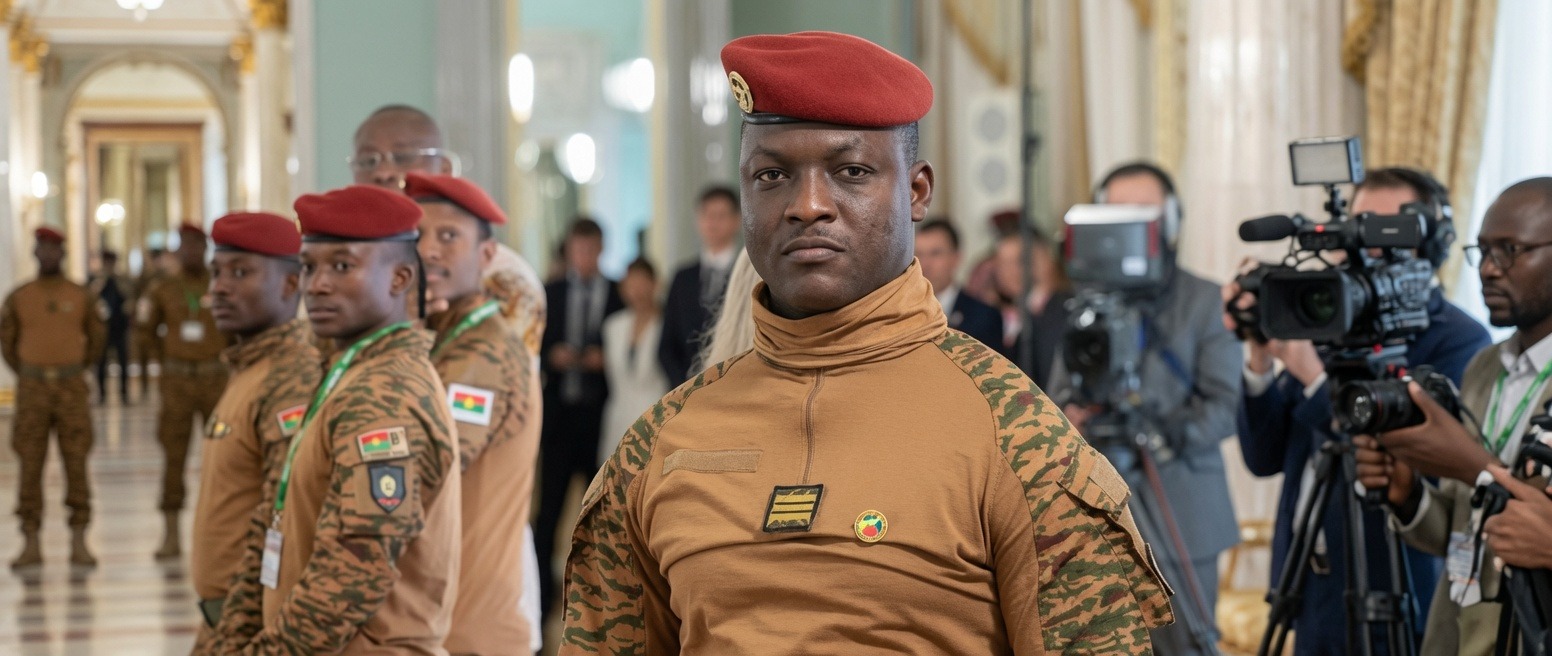
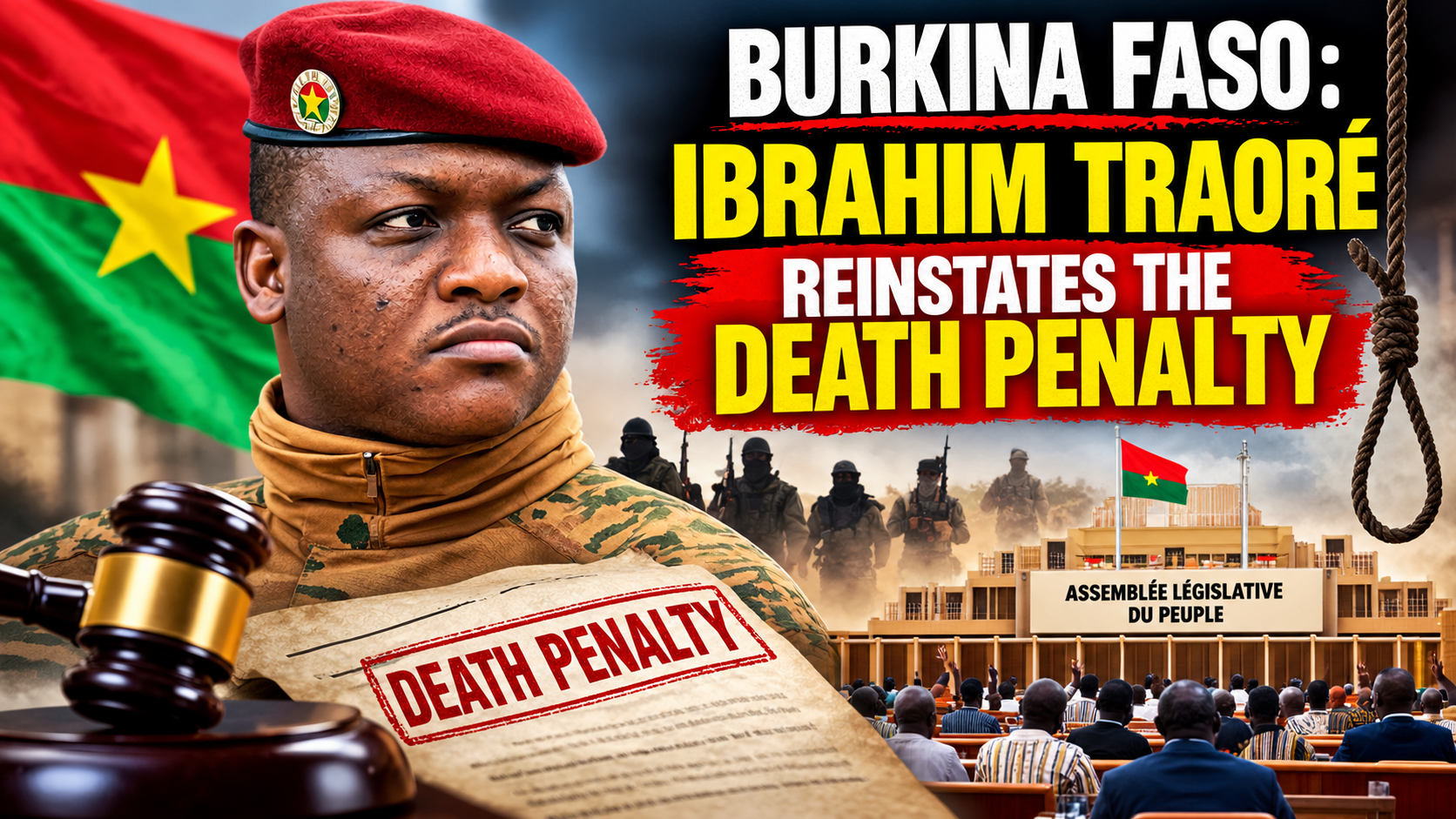
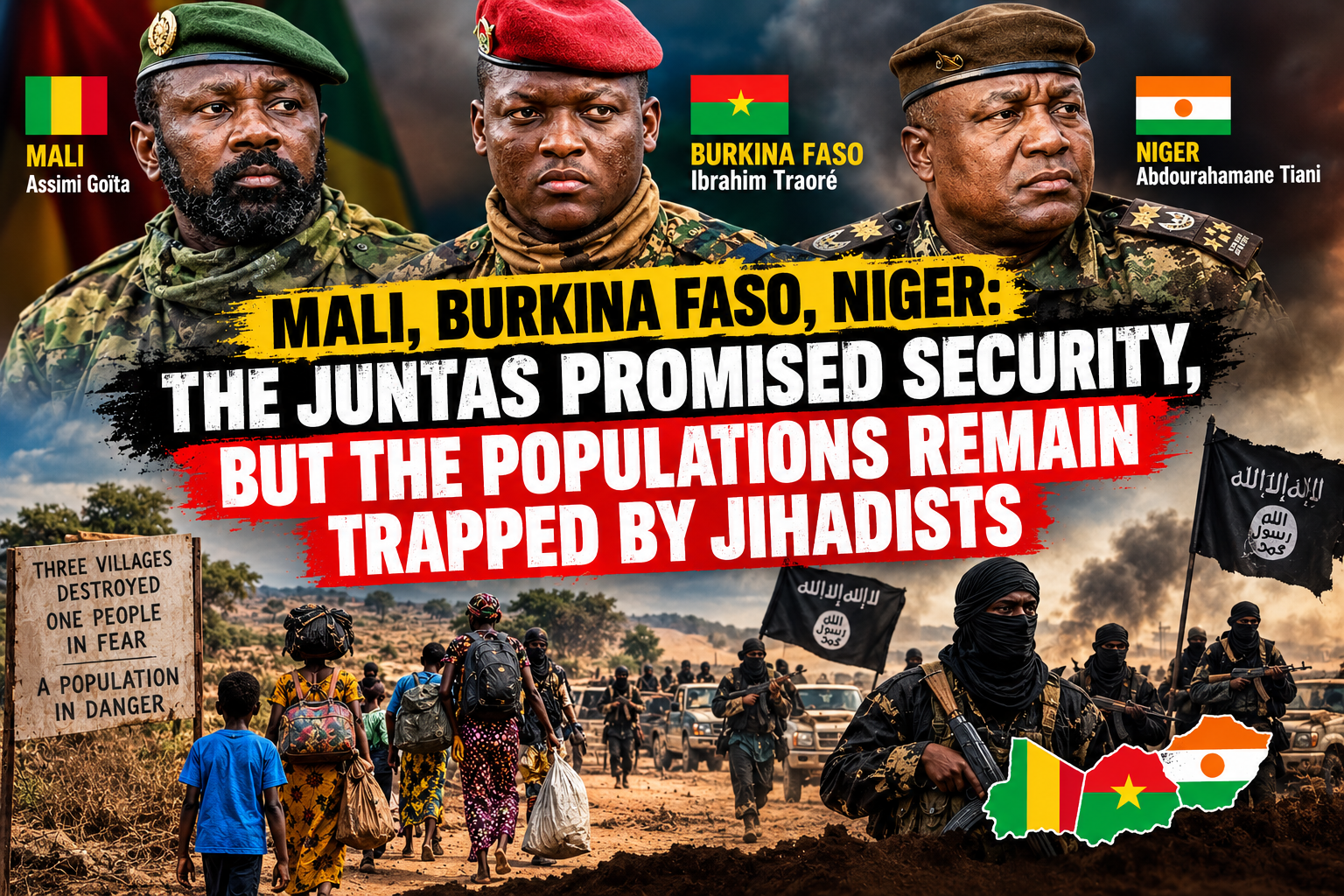
Since seizing power in late September 2022, Captain Traoré and the military junta have firmly entrenched their authority in Burkina Faso. Initially pledging a temporary leadership role, the self-proclaimed president has since consolidated power while invoking the legacy of the late revolutionary leader Thomas Sankara—a figure revered for his radical anti-imperialist policies.
In late March, the Revolutionary Progressive Charter was unanimously ratified by the Transitional Legislative Assembly (ALT), replacing the 2024 Transitional Charter. This new framework signals a deeper militarization of governance, raising concerns among civil society groups and international observers.
Human rights organizations, including Amnesty International, have sharply criticized the junta’s decision to dissolve over a hundred associations—many of which advocate for human rights—calling for an immediate reversal of this measure.
The debate under the Arbre à Palabres also examined the progress of the Alliance of Sahel States, established on September 16, 2023, to strengthen regional security cooperation. The discussion brought together key voices in African geopolitics:
- Teehl Loé Konaté, project coordinator and analyst specializing in Pan-African dynamics and international relations, alongside his role as secretary-general (part-time) of Kamita, a civil society organization focused on culture, history, and Pan-African foresight.
- Paul Amegakpo, president of the Tamberma Institute for Governance (ITG).
- Mayra Djibrine, president of the Sahel Democrats Alliance.
To hear the full discussion, engage with the central image.