The Illusion of Industrial Progress in Burkina Faso
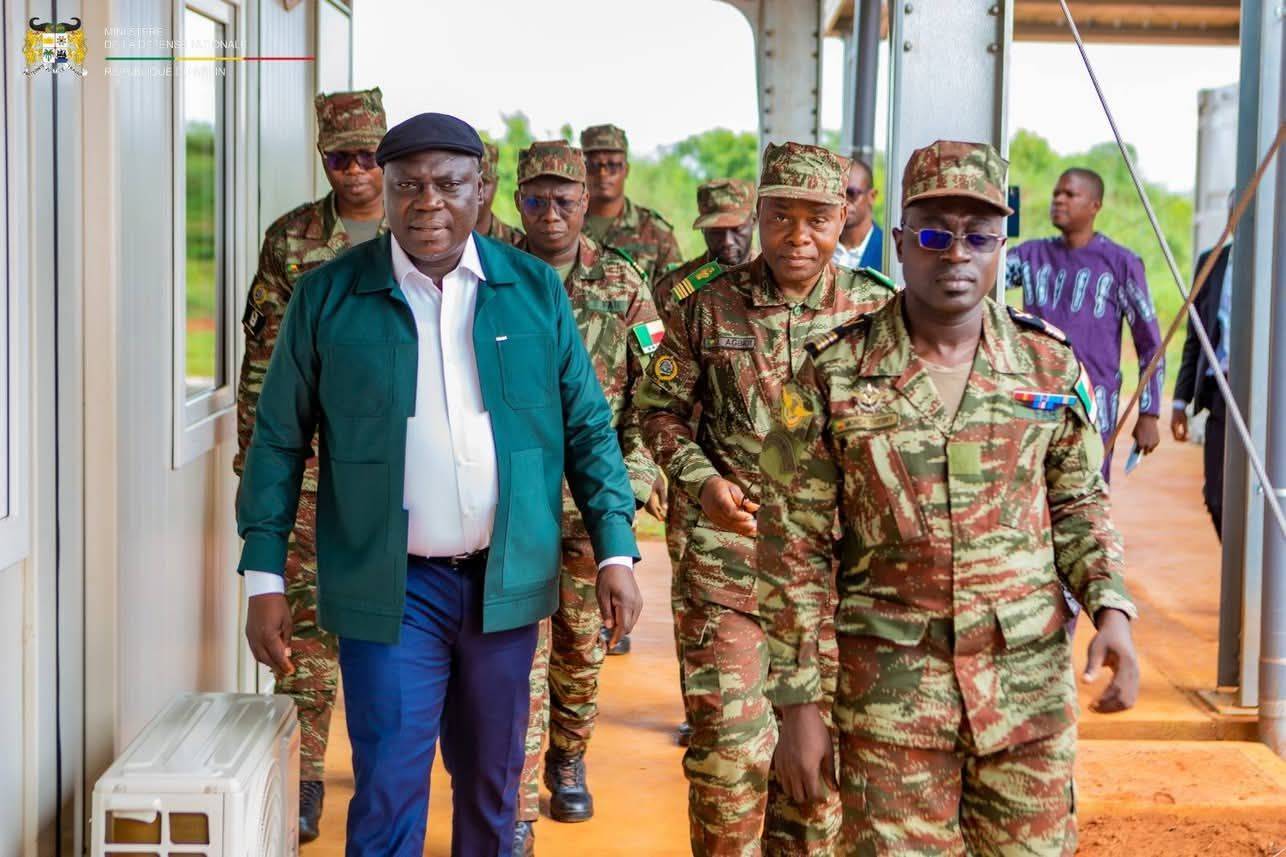
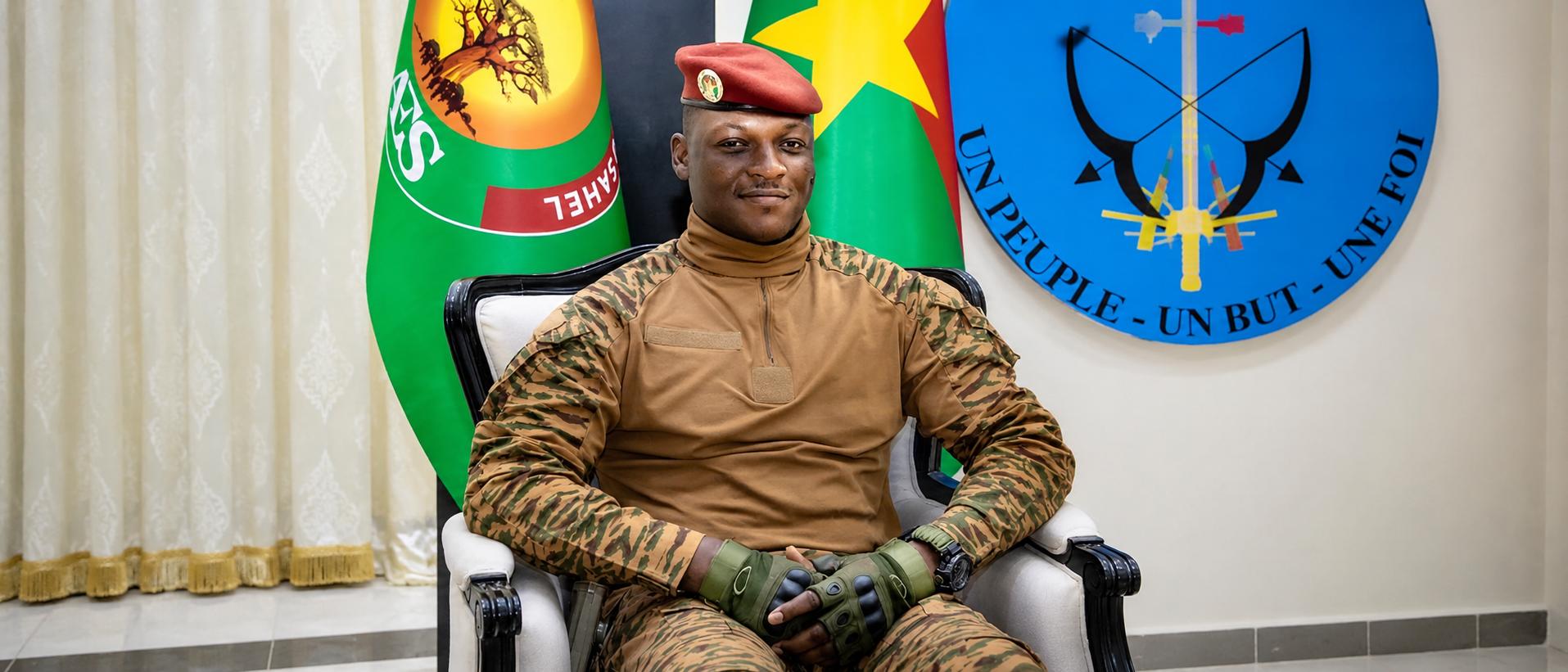
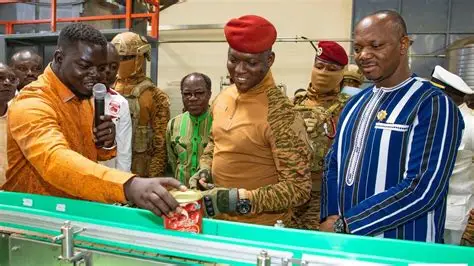
In recent months, Captain Ibrahim Traoré has been actively promoting Burkina Faso’s industrial advancements through high-profile inaugurations and site visits. State media highlights tomato processing plants and gold refining units as proof of the nation’s economic ascent. Yet beneath the polished presentations lies a stark reality: the country remains trapped in a cycle of insecurity and economic stagnation that mere propaganda cannot conceal.
Publicity Campaigns Disguised as Economic Policy
Governments often resort to grand infrastructure projects to bolster their legitimacy, and Burkina Faso is no exception. Under the guise of fostering self-reliance, the transitional leadership emphasizes job creation and economic sovereignty. Proponents celebrate each newly inaugurated facility as a triumph over foreign influence. However, independent analysts view these displays not as evidence of progress but as desperate attempts to distract from systemic failures.
Unverified Industrial Ventures and Financial Opaqueness
Investigations into these so-called industrial triumphs frequently uncover inconsistencies. While ribbon-cutting ceremonies dominate headlines, critical details—such as actual operational viability, funding transparency, and long-term production capacity—remain obscured. Concerns also persist regarding the allocation of patriotic funds, with allegations of mismanagement and favoritism in procurement processes. As traditional businesses struggle under heavy taxation and escalating insecurity, the emergence of politically connected enterprises raises serious questions about equitable economic governance.
The Human Cost Behind the Facade
The stark contrast between official narratives and ground realities paints a grim picture. Rising inflation has pushed staple food prices—rice, cooking oil, and millet—to unaffordable levels, disproportionately affecting vulnerable households. Over two million internally displaced persons endure severe hardship, with entire villages cut off by terrorist blockades, reliant on sporadic humanitarian aid. Small-scale commerce, the backbone of Burkina Faso’s economy, has ground to a halt due to persistent blackouts and the pervasive threat of roadside attacks.
Propaganda as a Shield Against Criticism
The dichotomy is glaring: on one side, glossy state broadcasts showcase gleaming machinery and an unyielding leader; on the other, families struggle to feed their children, and soldiers fight under harrowing conditions. The narrative of a thriving Burkina Faso is meticulously curated to sustain public morale and stifle dissent. Yet propaganda, no matter how sophisticated, cannot substitute for tangible progress. Sovereignty cannot be declared in speeches when fields lie fallow and newly inaugurated factories exist only on screen.
Captain Ibrahim Traoré’s strategy hinges on shaping public perception at all costs. By prioritizing image over substance, he risks severing the government’s connection to the populace’s suffering. Industrialization is a commendable goal, but it cannot be built on unstable foundations. Without transparent financial practices and genuine territorial security, every presidential appearance risks remaining nothing more than a desert mirage—deceptive, fleeting, and ultimately hollow.