Burkina Faso’s military leader declares democracy irrelevant to development
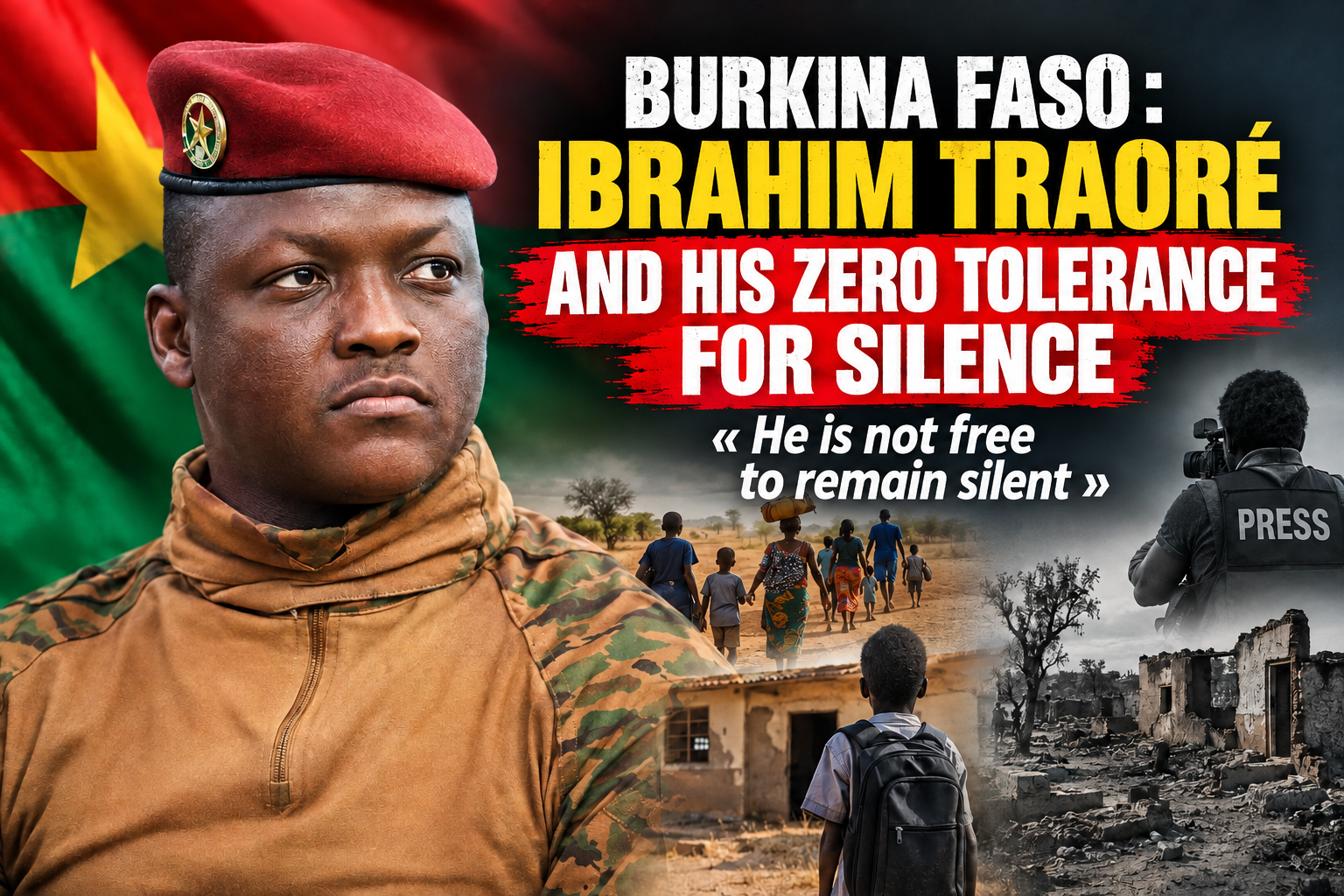
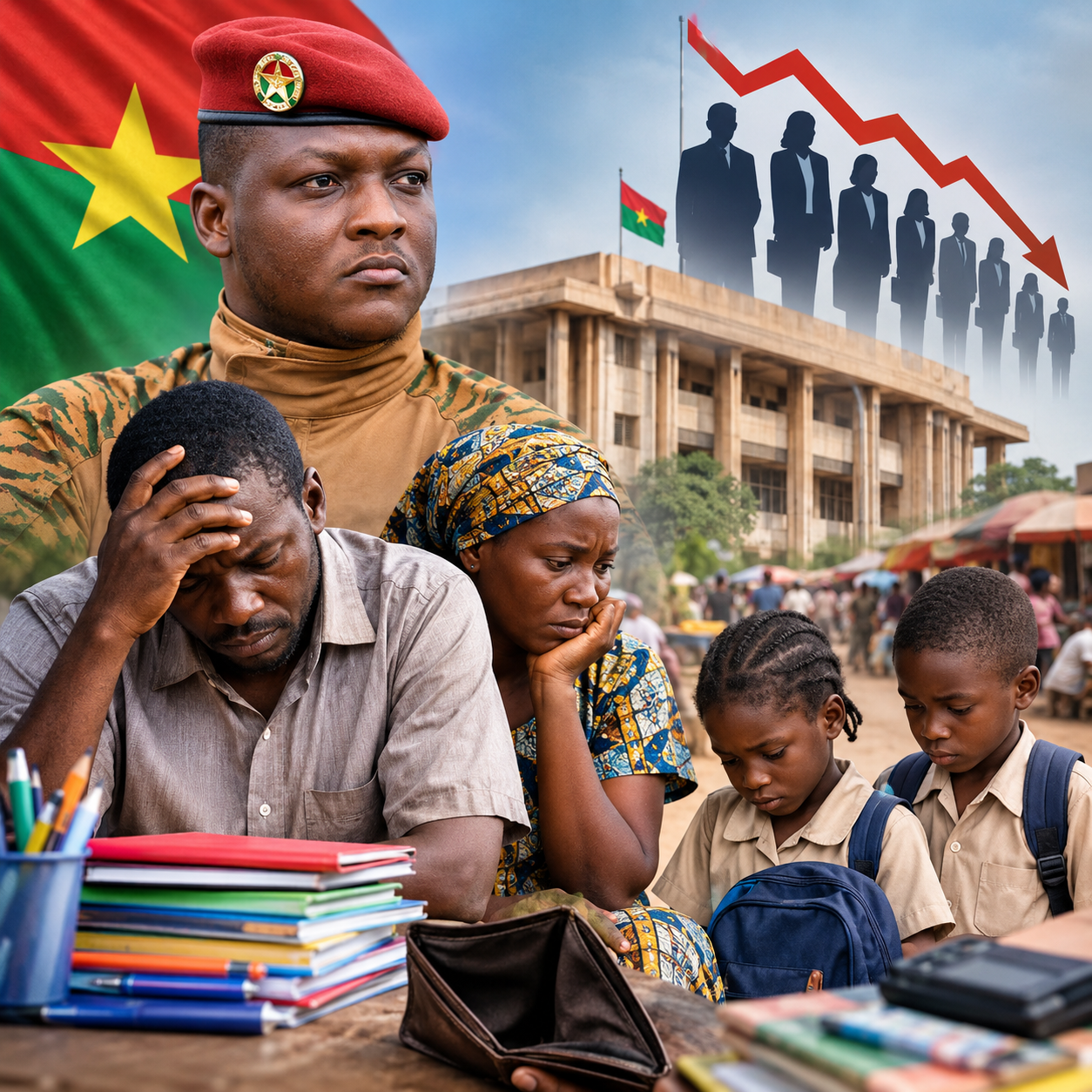
Captain Ibrahim Traoré, Burkina Faso’s military leader, has publicly dismissed democracy as incompatible with the nation’s progress during a nationally televised address.
In the prime-time interview broadcast on state television, Traoré stated bluntly: “People must abandon the idea of democracy. It has no place in our society.”
The 38-year-old leader, who seized power in a 2022 coup, argued that Western-imposed democratic systems had repeatedly failed African nations, often leading to instability and violence rather than development.
From democratic transition to indefinite rule
When Traoré initially took control, he pledged to restore democratic governance by July 2024. However, with just two months remaining before the transition deadline, his government announced a five-year extension of military rule, effectively postponing any return to civilian leadership.
The decision followed a January decree dissolving all political parties, part of what authorities described as an effort to “rebuild the nation from its foundations.”
The Libyan example and claims of Western interference
Traoré invoked Libya as a cautionary tale, pointing to the chaos that followed the fall of Muammar Gaddafi’s regime after Western intervention. “Wherever Western powers impose democracy, it brings only bloodshed,” he asserted.
The Burkinabé leader positioned himself as a revolutionary figure fighting imperialism, emphasizing the need for self-determination over foreign models of governance.
A new political vision: sovereignty and revolutionary mobilisation
Traoré outlined a governance model built on three pillars: sovereignty, patriotism, and revolutionary mobilisation. He stressed that traditional leaders and grassroots structures would play a central role in this system, rather than political parties or Western-style institutions.
He condemned Burkina Faso’s political class as corrupt and inefficient, declaring: “In Africa—at least as we’ve seen here—real politicians embody every vice: liars, flatterers, and empty rhetoric.”
His administration has systematically suppressed dissent, targeting opposition figures, independent media, and civil society groups. Critics have accused his government of silencing opponents by deploying them to frontline positions in the fight against Islamist militants.
Economic ambition and harsh realities
Traoré also called for a radical shift in work culture, dismissing conventional 6-8 hour workdays as inadequate for national development. “We need a complete transformation,” he said, urging citizens to embrace long hours and collective effort.
Yet, despite his nationalist rhetoric, Traoré’s policies have coincided with a surge in violence. Human rights organisations report over 1,800 civilian deaths since his rise to power in 2022, with two-thirds attributed to state security forces and allied militias.
Shifting alliances: from France to Russia
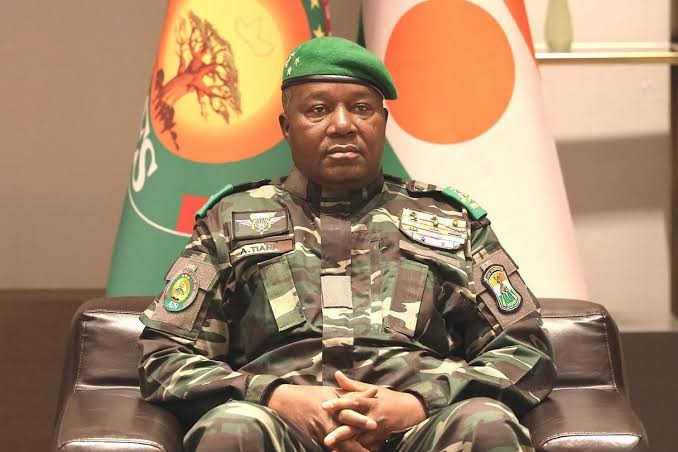
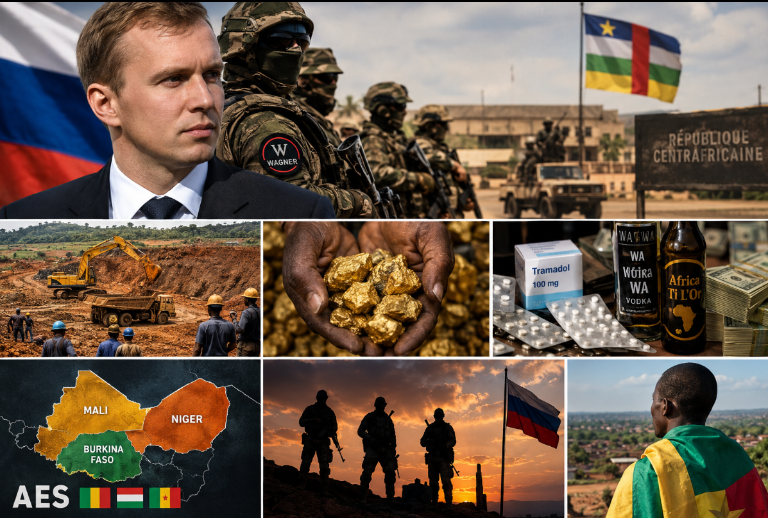
Like neighbouring Mali and Niger, Burkina Faso has distanced itself from Western partners, particularly France, in its fight against Islamist insurgencies. Instead, Traoré’s government has turned to Russia for military support, though attacks by armed groups continue unabated.
Traoré’s rhetoric has resonated across the Sahel, where military-led governments increasingly reject democratic norms in favour of alternative governance models. His stance reflects a broader trend in West Africa, where juntas cite security crises and perceived foreign interference as justification for prolonged military rule.
Despite international criticism, Traoré’s leadership maintains strong domestic support, fueled by anti-Western sentiment and a desire for self-rule.