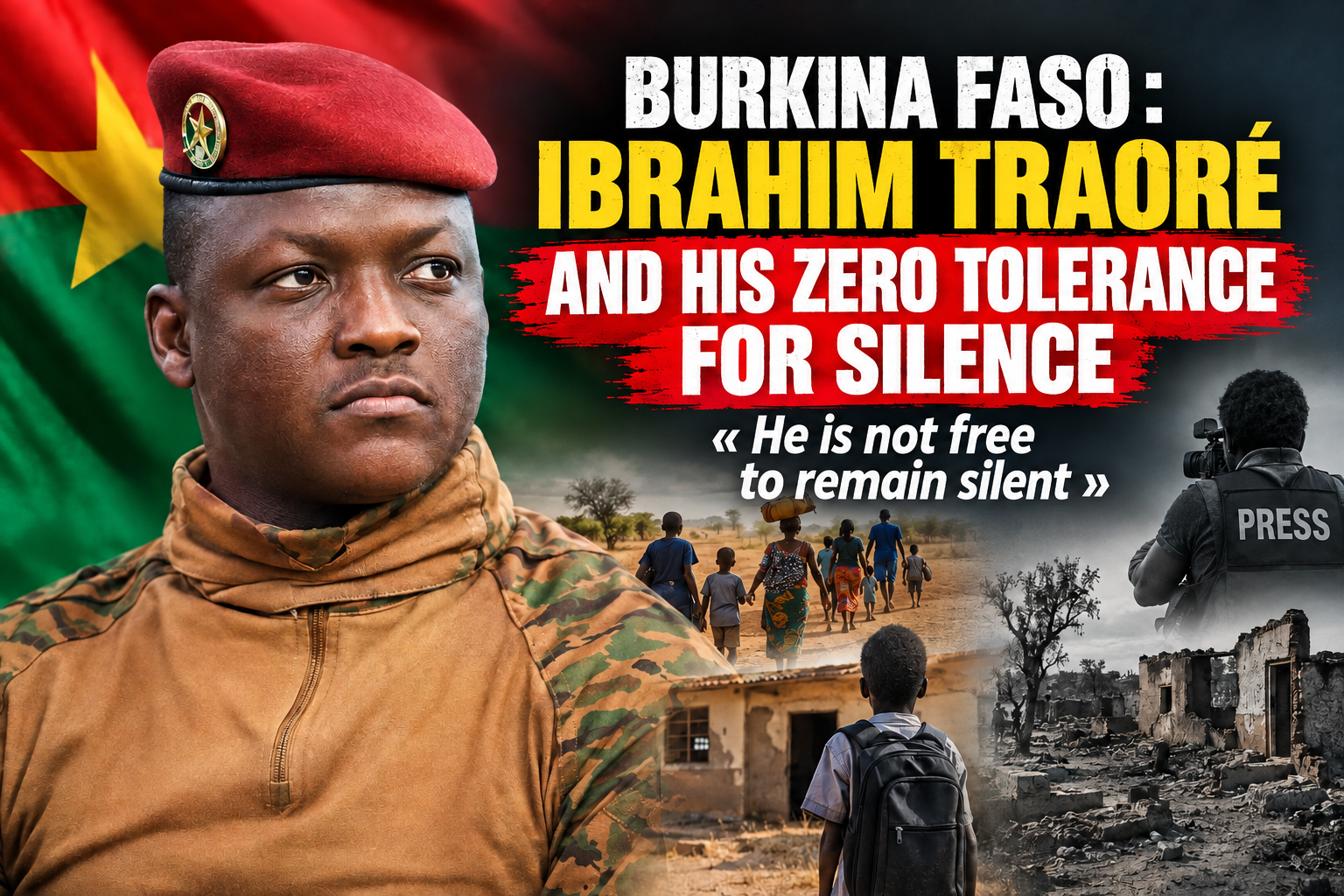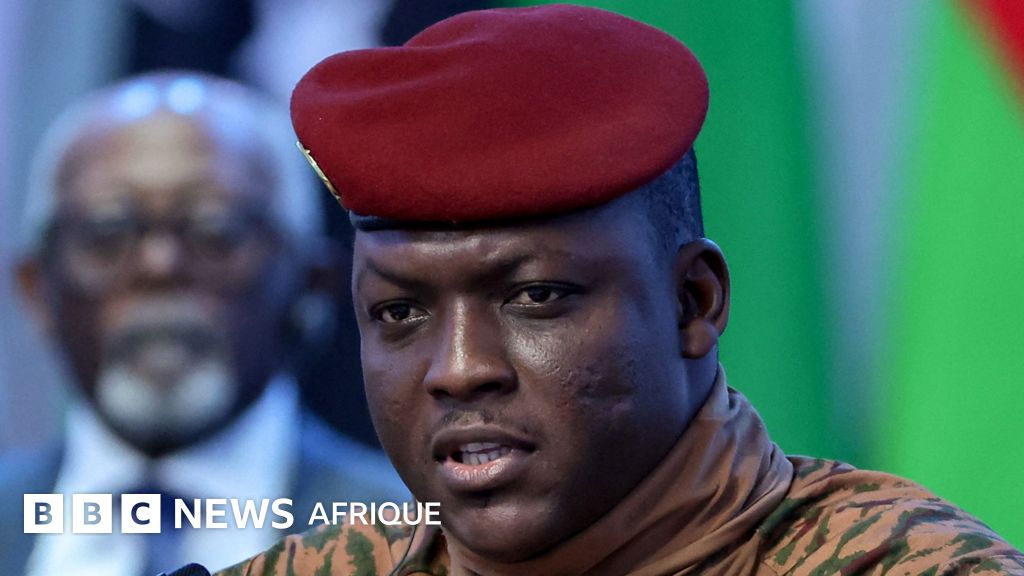
The people of Burkina Faso must abandon the idea of democracy, as it is incompatible with the nation’s progress, declared the country’s military leader during a nationally televised interview.
Rejection of democratic governance
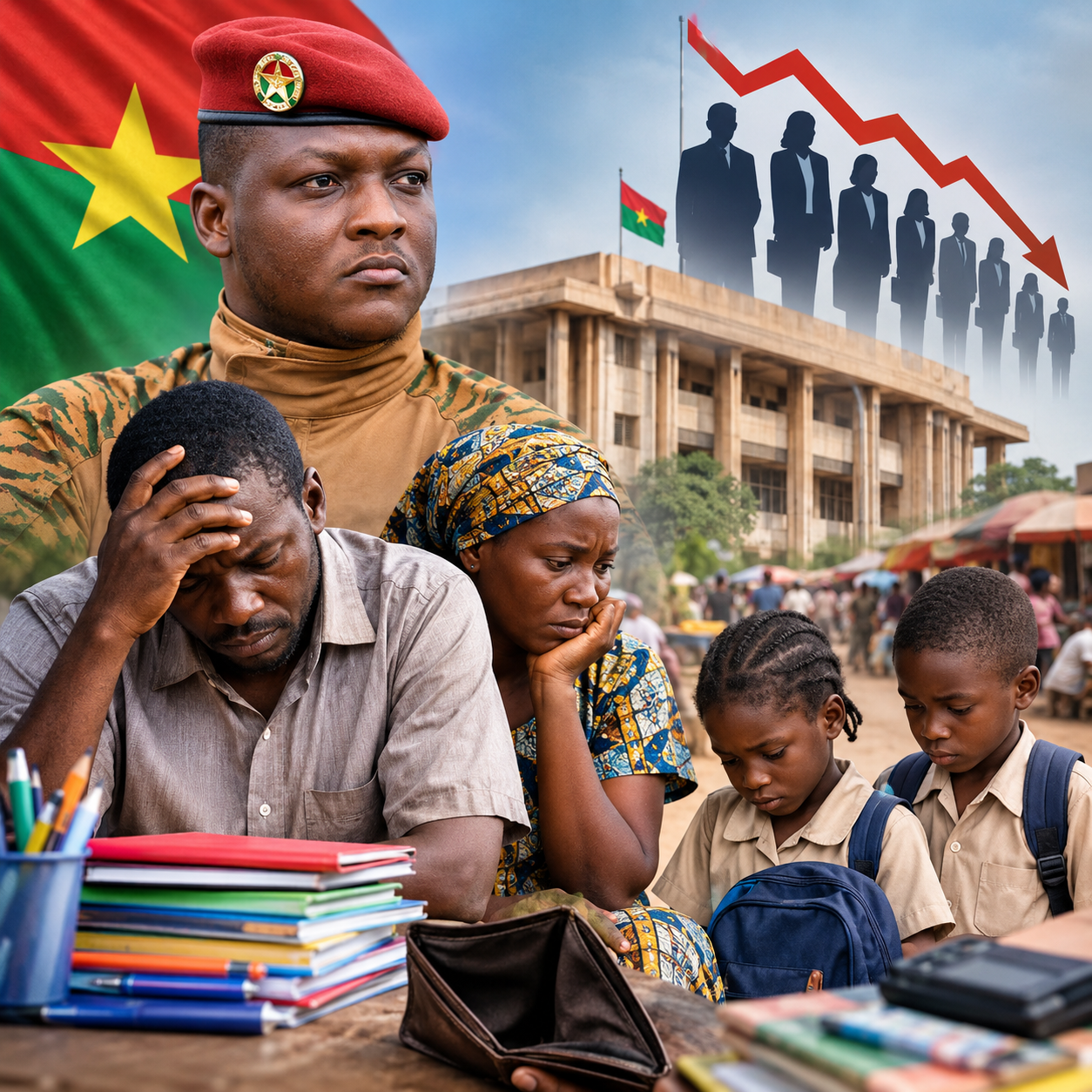
Captain Ibrahim Traoré, who seized power in a 2023 coup, asserted that democracy has no place in Burkina Faso, calling it a destructive system imposed by foreign powers. “The people must forget about democracy. It is not for us,” he stated during the primetime broadcast.
Traoré, who styles himself as a revolutionary leader opposing Western imperialism, argued that Western-backed democracy has historically led to instability and violence across Africa. “Wherever they try to impose democracy, it always ends in bloodshed,” he claimed.
Shift in political strategy
Initially, Traoré’s junta had pledged to restore democratic governance by July 2024. However, in a dramatic reversal, the military leadership extended its rule for an additional five years in May of that year.
This decision followed the January 2026 dissolution of all political parties, with their assets transferred to the state in a sweeping move to “rebuild the nation.” Traoré condemned parties as divisive and corrupt, arguing they perpetuate false promises and inefficiency.
“In Africa—at least in Burkina Faso’s experience—a true politician embodies every vice: a liar, a flatterer, a smooth talker,” he declared. “We are not trying to copy anyone. We are here to completely change how things are done.”
Vision for a new system
Traoré outlined a radical vision centered on sovereignty, patriotism, and revolutionary mobilization. Traditional leaders and grassroots structures would play a pivotal role in this new framework, which he described as “a complete departure from the old ways.”
He emphasized the need for economic and military self-reliance, insisting that Burkina Faso cannot catch up to wealthier nations with conventional work schedules. “Six or eight-hour workdays will not suffice,” he argued.
Crackdown on dissent and regional alliances
Since assuming power, Traoré has systematically suppressed opposition, independent media, and civil society groups. Critics claim his government punishes dissent by sending opponents to frontline combat zones against Islamist militants.
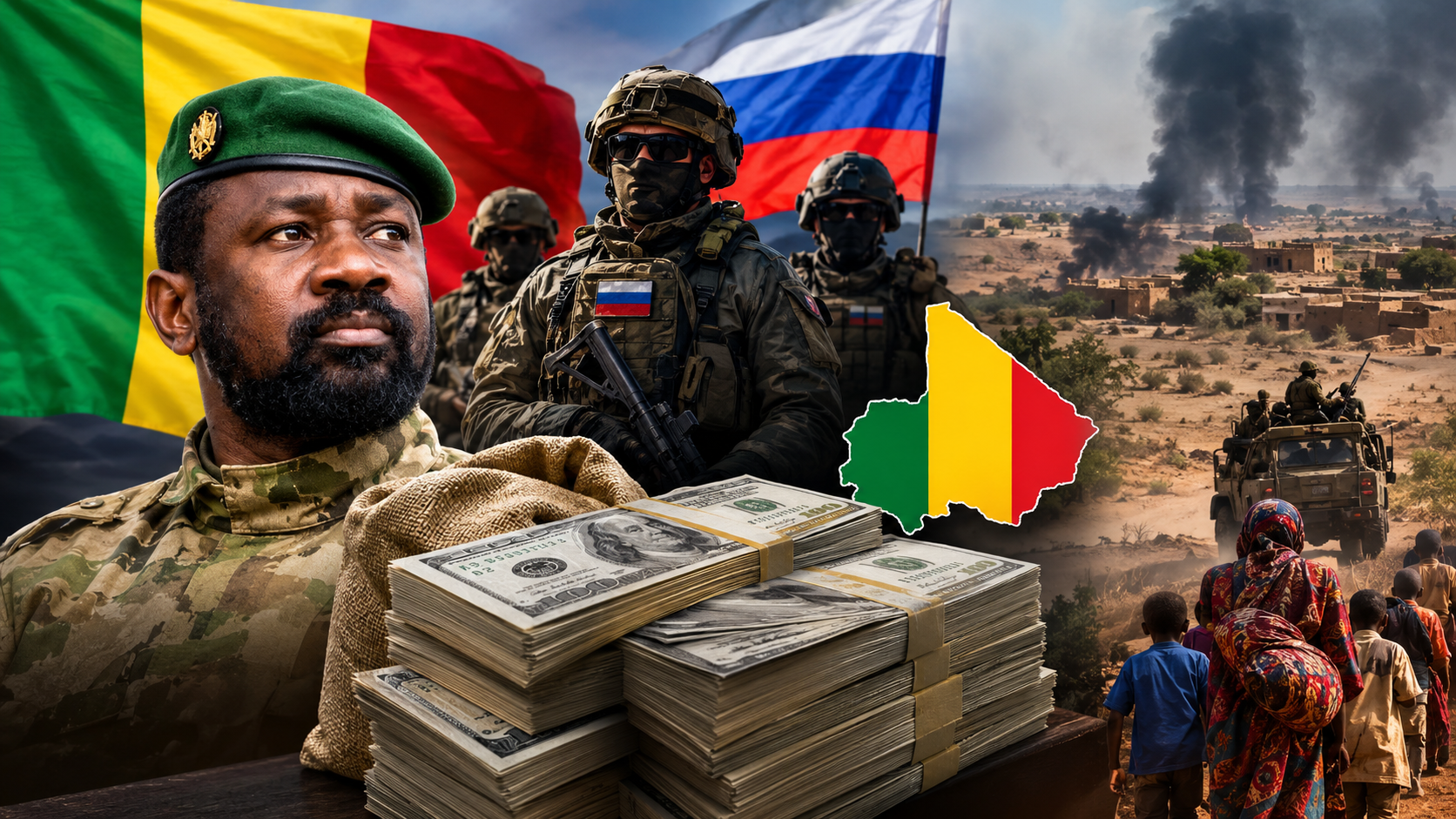
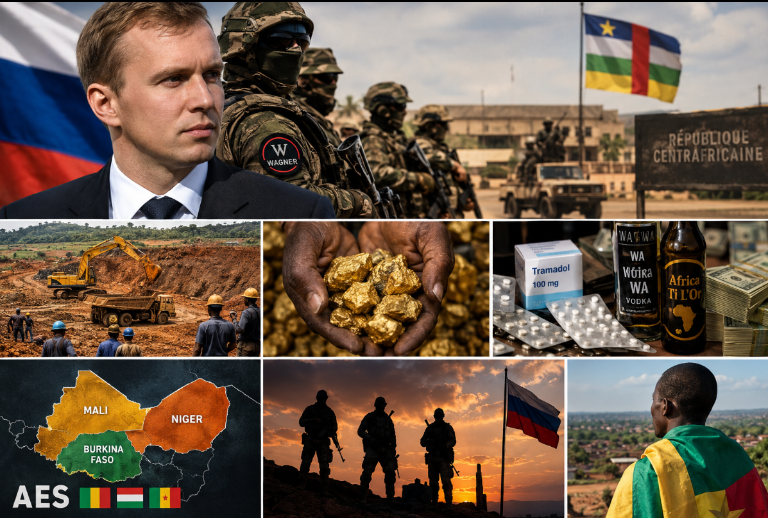
The junta has also distanced itself from former allies, notably France, which previously supported Burkina Faso’s fight against militant Islamists. Alongside Mali and Niger, the country has pivoted toward Russia for military assistance, though insurgency-related violence persists.
A recent report by an international rights organization revealed that over 1,800 civilians have been killed in Burkina Faso since Traoré’s takeover in 2023. The report attributes two-thirds of these deaths to state forces and allied militias, while the remainder is linked to Islamist militants.
Mixed regional reception
Despite his authoritarian measures, Traoré has cultivated significant support across Africa for his anti-Western stance and panafricanist rhetoric. His vision resonates with many who view Western democracy as an imposition rather than a solution.