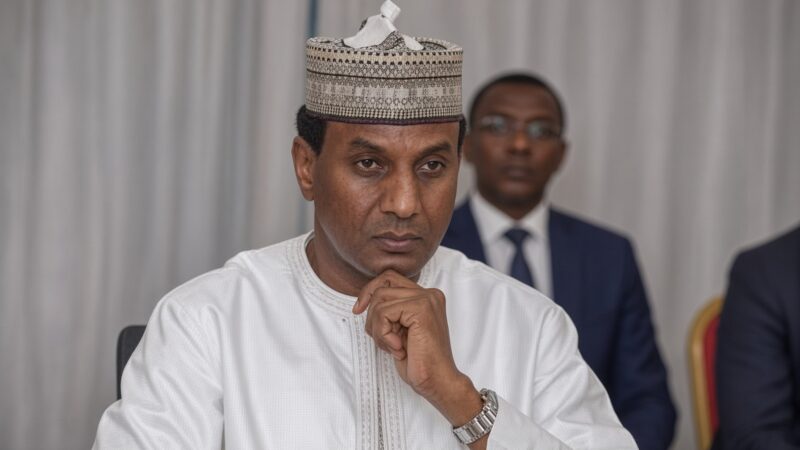
Burkina Faso and Burundi seal 14 cooperation agreements to boost ties
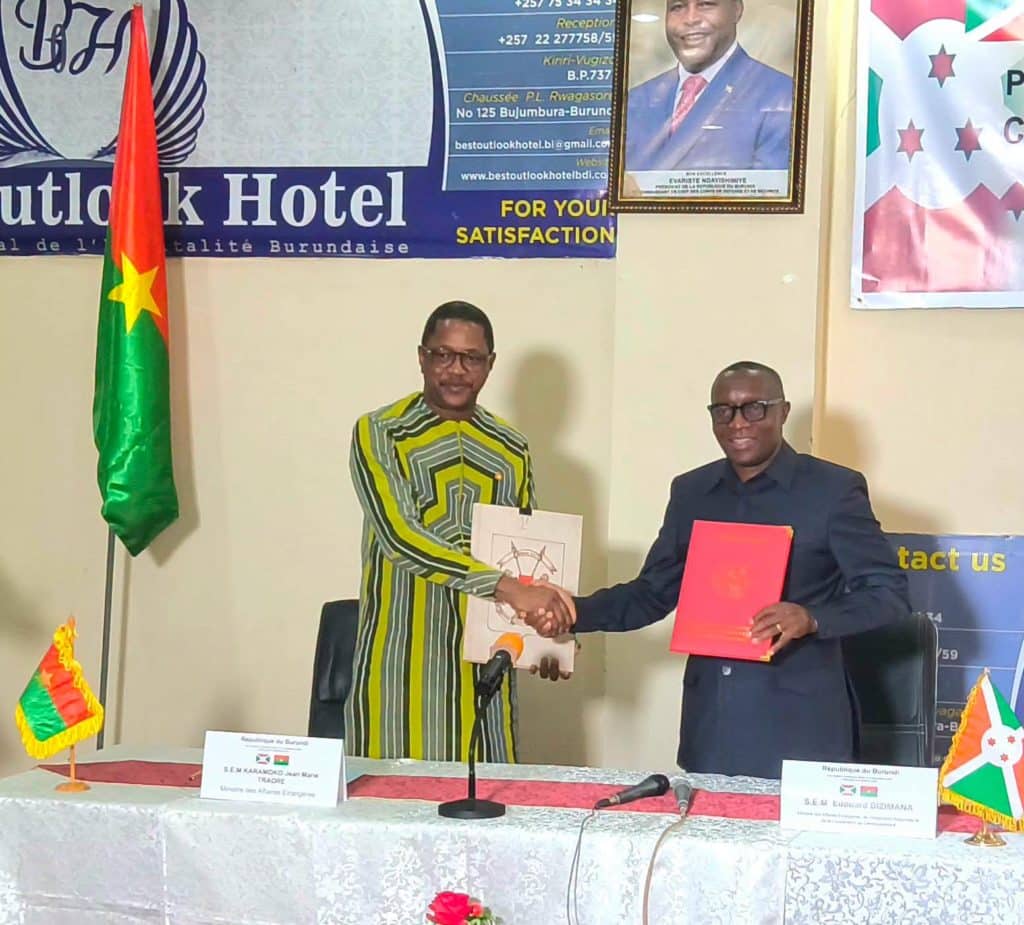
The inaugural session of the Burkina Faso-Burundi Joint Cooperation Commission concluded this Thursday in Bujumbura with the signing of 14 pivotal agreements aimed at deepening bilateral relations between the two nations.
Following days of intensive negotiations, experts from Burkina Faso and Burundi finalized legal instruments spanning critical sectors vital for both countries’ growth. The accords were formally endorsed by the respective foreign ministers during the closing ceremony.
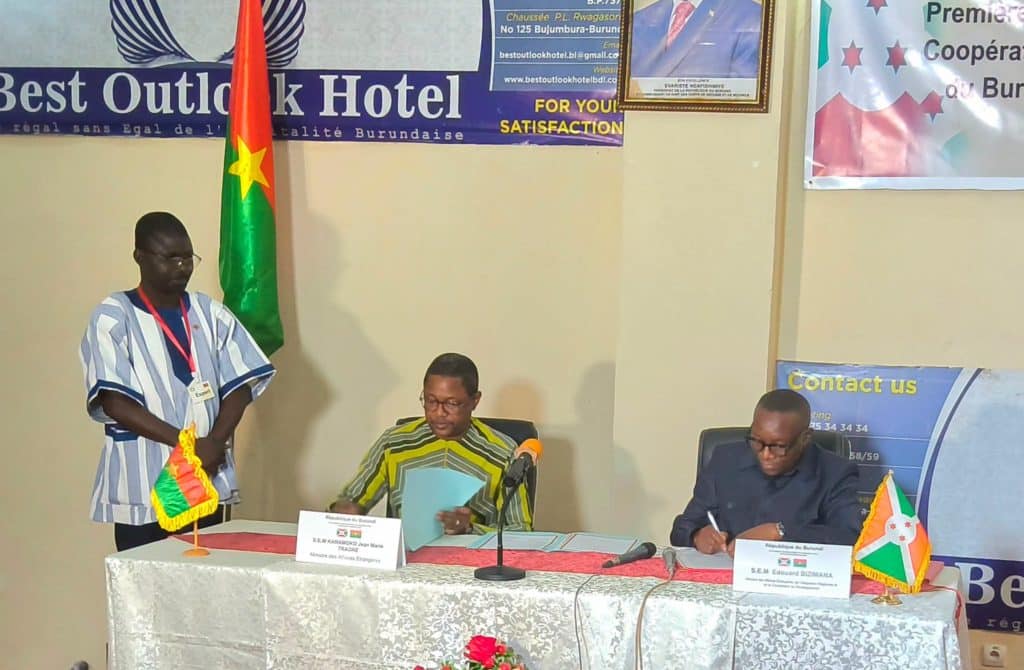
Key areas covered include agriculture, livestock, security, civil protection, aviation services, health, employment, labor, and social protection. Cooperation also extends to youth development, sports, and leisure activities.
A landmark agreement eliminates visa requirements for holders of diplomatic, service, and ordinary passports from both nations.
The package of accords further encompasses risk prevention and disaster management, technical and vocational education, higher learning and research initiatives, as well as mutual recognition of national driver’s licenses.
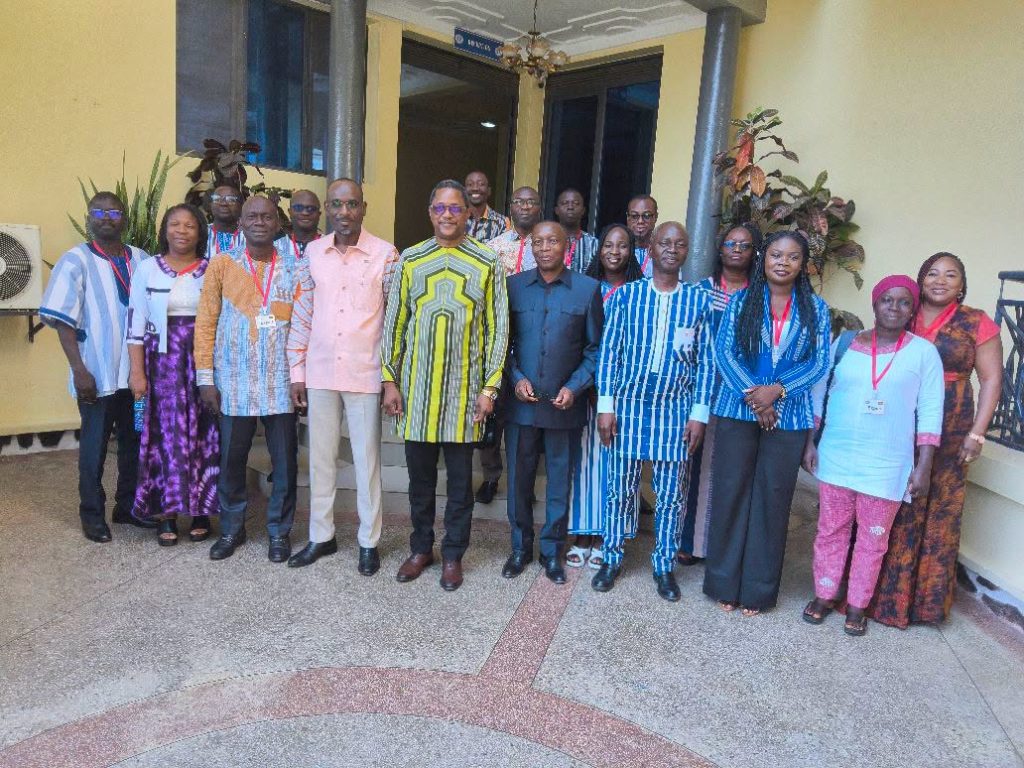
For both nations, these signings mark a pivotal milestone in a partnership spanning nearly three decades. The next phase involves translating these commitments into tangible benefits for citizens of Burkina Faso and Burundi.
Burkina Faso’s Foreign Minister, Karamoko Jean Marie Traoré, emphasized the importance of swift implementation:
« Today’s signings represent a beginning, not an end. We must relentlessly pursue consultations to ensure these newly signed legal instruments yield concrete results for our people. »
He stressed that the Joint Commission’s role is to convert political directives into actionable programs, projects, and measurable outcomes.
Burundi’s Foreign Minister, Édouard Bizimana, advocated for enhanced South-South cooperation, prioritizing reciprocal economic exchanges and investments.
He highlighted the need to strengthen ties between economic operators, foster mutual investments, and cultivate partnerships between private sectors in both countries. Facilitating the flow of goods and services, alongside promoting Burkina Faso and Burundi’s economic potential, remains central to these efforts.
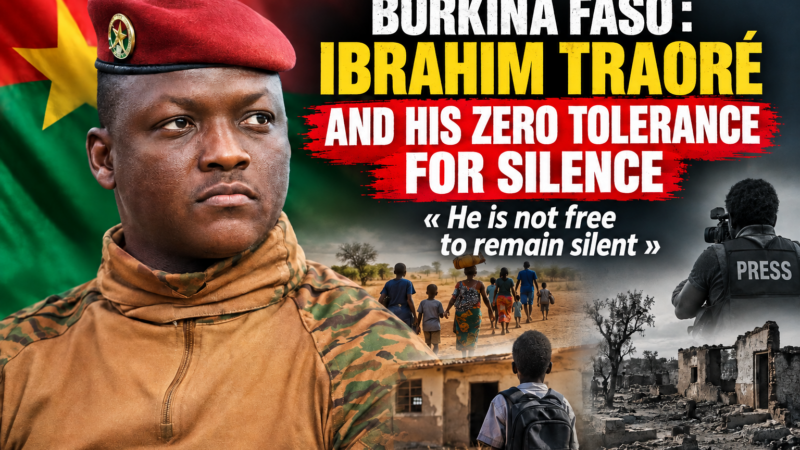
The inaugural session aligns with the vision set by Burkina Faso’s President Ibrahim Traoré and Burundi’s President Évariste Ndayishimiye, who aim to position their cooperation as a model of South-South collaboration grounded in regional integration, solidarity, mutual trust, and peace.
To ensure accountability, both parties agreed to expedite the establishment of sectoral committees tasked with overseeing the implementation of the signed accords.