Yamoussoukro — In a groundbreaking display of innovation, Bioban claimed top honors at Côte d’Ivoire’s first national hackathon dedicated to circular economy solutions. Held from June 17 to 19, 2026, at the Félix Houphouët-Boigny National Polytechnic Institute (INP-HB), the competition drew 10 teams of three participants each, all vying to turn bold ideas into sustainable realities.
From waste to value: the circular economy challenge
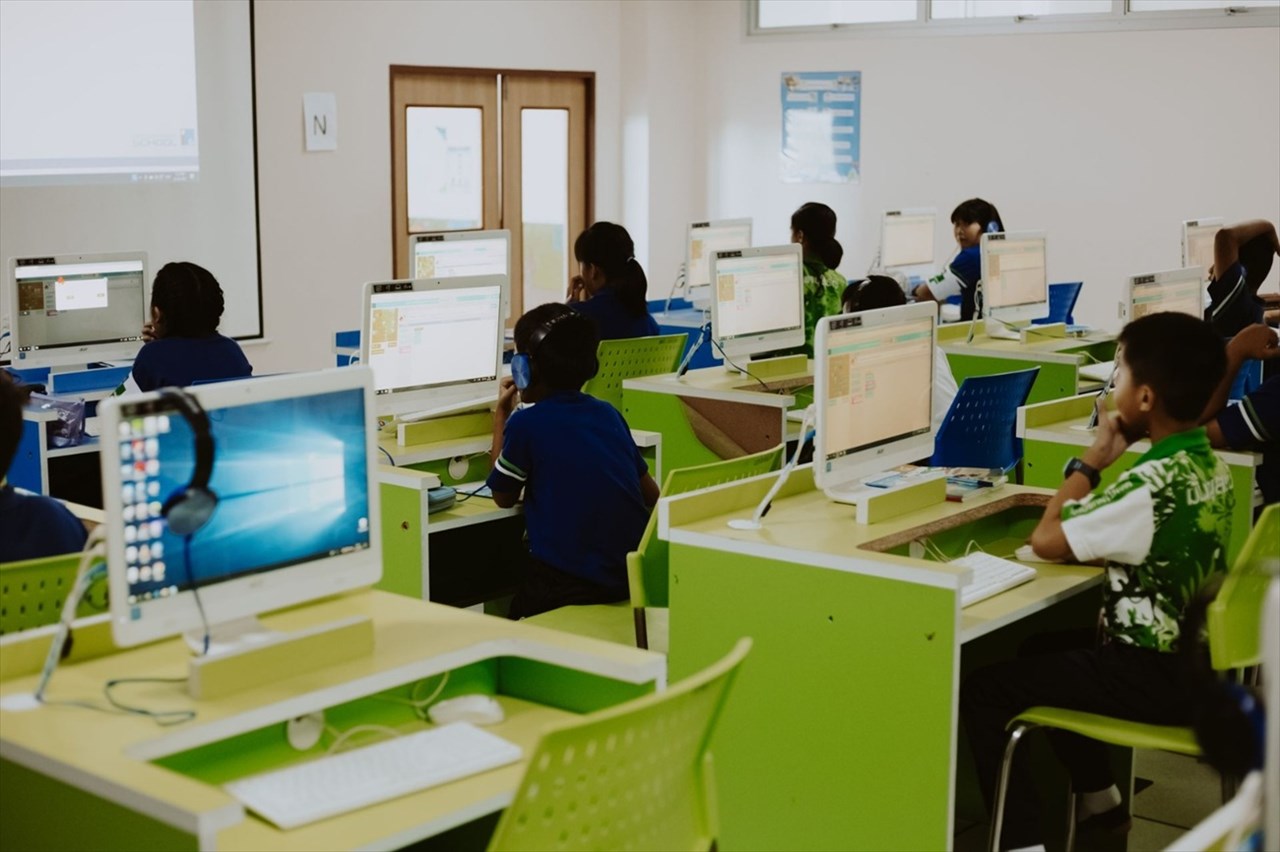
Themed “Technological innovation and the circular economy: zero waste, maximum impact”, the event challenged participants to develop solutions in smart waste sorting, biodegradable product design, natural resource management, and agricultural waste valorization. Over three intensive days, teams received hands-on training, mentoring, and prototyping support before pitching their projects to a panel of industry experts.
A growing necessity: circular economy as a national priority
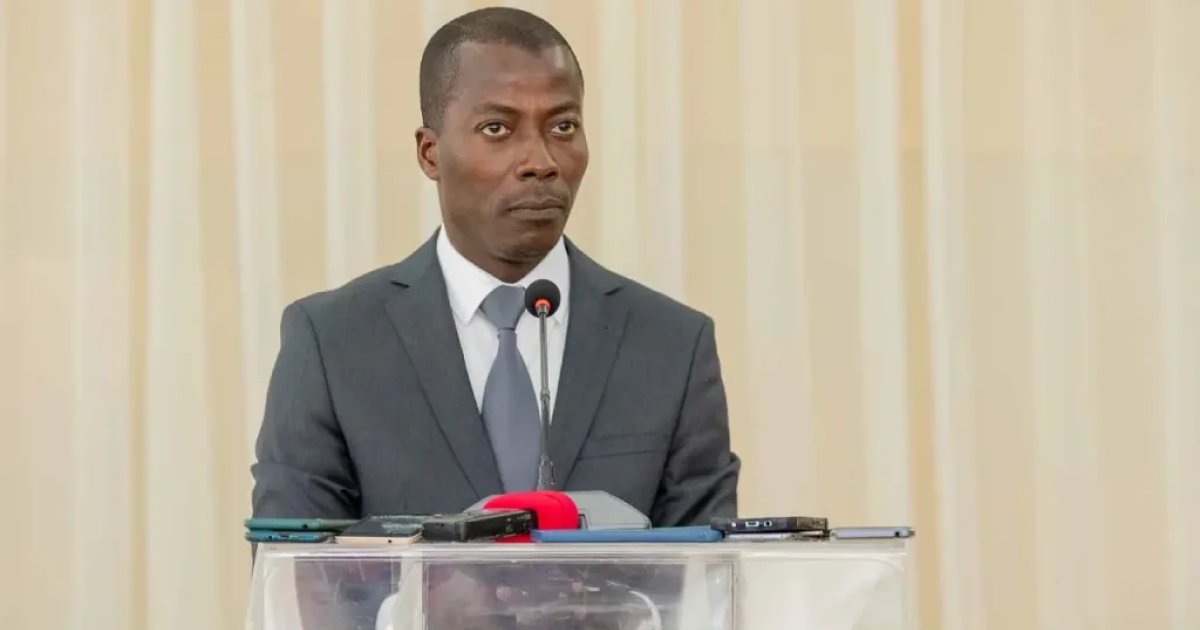
The Deputy Director General in charge of research, innovation, and the technopole at INP-HB emphasized that circular economy principles are no longer optional—they are essential to addressing today’s environmental challenges. “Technological innovation is the driving force behind the transition to zero waste,” he stated, highlighting the role of higher education in fostering sustainable development.
Supporting green innovation and business growth
The initiative is part of a broader effort to strengthen green, social, and digital innovation while boosting the competitiveness of small and medium-sized enterprises. It is supported by the ProREI project, funded by the German Federal Ministry for Economic Cooperation and Development (BMZ), in partnership with Côte d’Ivoire’s Ministry of Commerce, Industry, and Crafts.
Winners and next steps
Among the standout entries, Bioban stood out for its approach to converting agricultural residues into biogas for household cooking and organic fertilizers to restore soil fertility and boost crop yields. The project’s founder, Ndiessa Kwaku Boris, an agronomist and renewable energy specialist, expressed pride in the recognition, noting that the win validates years of research and development.
The top three teams, including Bioban, will now enter a six-month incubation program. This will include legal structuring, industrial scaling, market access strategies, and fundraising support, all designed to turn promising prototypes into viable commercial solutions.
According to the head of INP-HB’s central incubator, Guy Corée, the quality of submissions was exceptionally high this year. Six projects—including the three winners—will receive both technical and financial support within the incubator, ensuring they have the resources to grow and make a real-world impact.