The narrative of Burkina Faso’s economic transformation
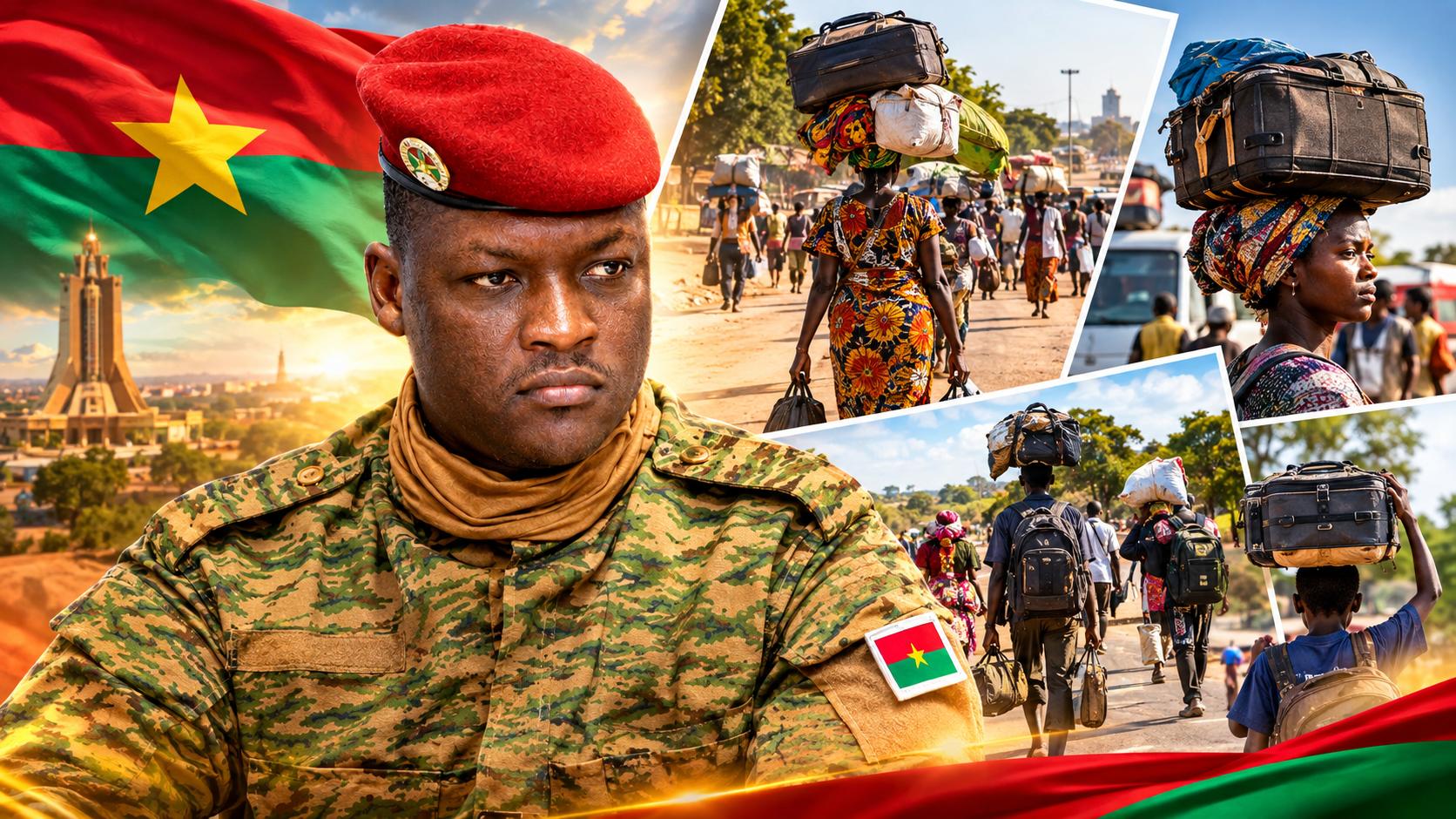
Since assuming leadership, Captain Ibrahim Traoré has emerged as a prominent figure in African sovereignism. Through aggressive communication strategies and a dominant presence on social media platforms, Burkinabè authorities are vigorously promoting the narrative of a sweeping economic recovery within the nation.
The role of digital advocates in shaping perceptions
This discourse is actively amplified by influential panafricanists and digital activists, including figures such as Nathalie Yamb, Franklin Nyamsi, and Kemi Seba. These individuals, known for their prolific online engagement, consistently portray Burkina Faso as a pioneer in an alternative development model liberated from historical foreign dependencies.
Scrutinizing official claims
However, independent analysts, economists, and dissenting voices caution against accepting these assertions at face value. They argue that several proclaimed achievements may reflect political communication tactics rather than verifiable structural economic reforms. While supporters of the government highlight achievements such as accelerated industrialization, revitalized national production, expanded processing facilities, and claims of exceptional economic growth, critics point to inconsistencies in this portrayal.
Detractors emphasize that many projects presented as new initiatives were already in progress prior to the current transition. Others remain at the planning stage or lack sufficient documented outcomes to validate their claims. Furthermore, they contend that the regime and its media allies prioritize symbolic victories over addressing Burkina Faso’s enduring challenges in security, humanitarian crises, and social welfare.
Patriotic contributions and transparency concerns
The financing of national priorities has become another contentious issue. In line with the government’s patriotic mobilization campaign, mandatory financial contributions—including a 1% levy on certain workers’ incomes—have been implemented to fund state initiatives. While proponents view these measures as acts of national solidarity in exceptional circumstances, trade unions, civil society organizations, and independent observers demand greater fiscal transparency.
These stakeholders insist that citizens deserve clear, detailed reporting on the collection and allocation of funds, along with verifiable results demonstrating their impact. They advocate for regular public disclosure of financial reports and independent audits to ensure accountability and restore public trust.
Questioning credibility of official statistics
Critics also challenge the accuracy of certain statistics disseminated through official channels and social media. For instance, claims that Burkina Faso has voluntarily relinquished over one billion dollars in foreign aid in the name of sovereignty are disputed. Opponents argue that such assertions distort the reality of ongoing international partnerships and financial support.
They note that external partners, including Japan, continue to provide substantial development assistance to Ouagadougou through bilateral programs valued at several billion CFA francs. These ongoing collaborations, they contend, contradict the narrative of a complete severance from international donors frequently promoted by the government’s supporters.
The gap between perception and reality
For skeptics, these inconsistencies compound broader concerns about the regime’s communication strategy. Despite persistent socioeconomic and security challenges, the government continues to project Burkina Faso as an emerging economic model—a claim that many find increasingly difficult to reconcile with ground realities.
This analysis examines how the narrative of an economic ‘miracle’ has been constructed, the influence of digital advocacy networks in shaping this perception, and the extent to which the projected image aligns with the lived experiences of Burkinabè citizens.
A broader reflection on political communication
Beyond the specific case of Burkina Faso, this debate raises a fundamental question: where should the line be drawn between political messaging, ideological mobilization, and objective evaluation of public policy outcomes?