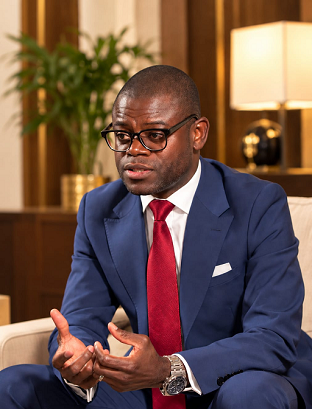
In Togo, the name Marguerite Gnakadé has come to symbolize the escalating political tensions gripping the nation. Once a prominent figure within the establishment—serving as Minister of Defense from 2020 to 2022, making her the first woman to hold this position—she has been held in detention for 277 days following her vocal opposition to President Faure Gnassingbé’s governance and her public advocacy for a peaceful political transition.
The former minister, who is connected to the Gnassingbé family by marriage, had increasingly criticized the government’s policies. In multiple statements, she contended that President Gnassingbé’s continued leadership failed to address the aspirations of the Togolese people and urged a shift toward democratic change.
Her arrest on September 17, 2025, followed a raid on her residence in Lomé by security forces. Authorities have charged her with undermining state security and inciting rebellion, allegations that her supporters dismiss as politically motivated.
The case of Marguerite Gnakadé has drawn widespread attention, not only because of her former position within the regime but also due to the broader implications it carries. Observers and opposition figures view her detention as a stark example of the risks faced by those who challenge the status quo, regardless of their prior loyalty to the government. Human rights organizations and civil society groups have long condemned the suppression of public freedoms and the systematic targeting of dissenting voices in Togo.
Her prolonged detention—now exceeding nine months—has raised serious concerns about the state of democratic principles in the country. Critics argue that her case underscores a pattern of intolerance toward political opposition, even among former allies of the ruling establishment. The slow progression of her legal proceedings and reports of her deteriorating health have further fueled public concern.
As debates intensify, fundamental questions persist: Why has a reformist voice within the system been silenced for nearly a year? What are the limits of political expression in Togo today? And, most critically, does the nation’s leadership truly uphold the values of pluralism, given the Gnassingbé family’s uninterrupted grip on power for nearly six decades—first under Gnassingbé Eyadéma and now under his son?
For her advocates, Marguerite Gnakadé’s detention serves as a litmus test for Togo’s commitment to the rule of law and a reminder of the challenges faced by those who dare to envision an alternative political future.