Within a week of taking office, Beninese President Romuald Wadagni is already working to shape his vision for the executive branch. Having previously served as the country’s Minister of Economy and Finance under two consecutive terms alongside outgoing leader Patrice Talon, the new head of state walks a fine line: preserving the economic legacy of the past decade while staking out a distinct political identity. His early decisions since the inauguration reflect this careful balance between loyalty to the outgoing administration’s achievements and a measured desire for change.
Economic legacy embraced
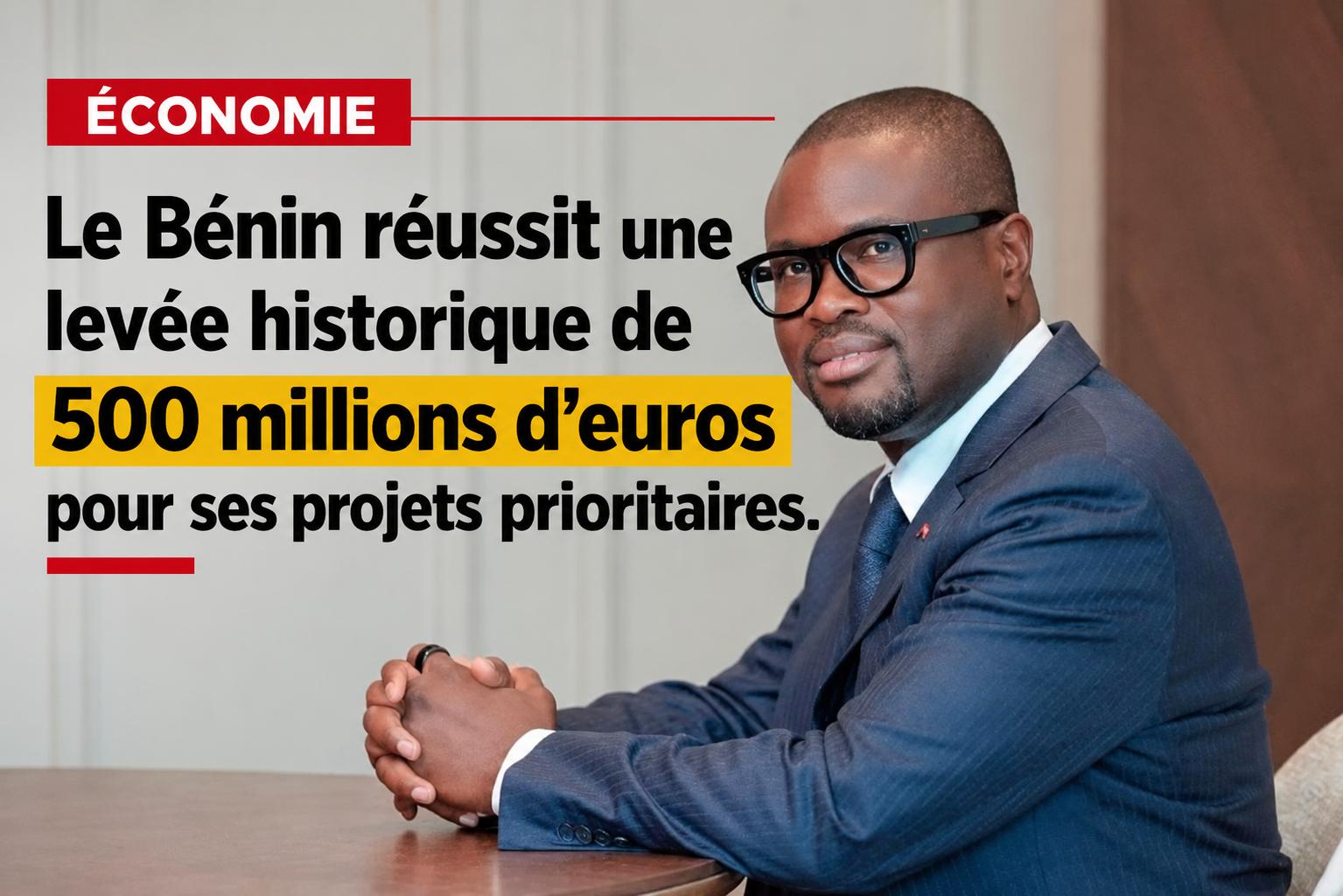
Romuald Wadagni does not disavow the budgetary choices or structural reforms he championed during his eight-year tenure at the helm of Benin’s finances. The recovery of public accounts, the strengthening of Benin’s sovereign standing in international markets, and the advancement of major infrastructure projects remain cornerstones to be safeguarded. This doctrinal continuity provides reassurance to donors, investors, and rating agencies that had praised Cotonou’s macroeconomic trajectory under President Talon’s leadership.
The new president openly aligns himself with a model he helped construct from within. This acknowledged continuity grants him immediate credibility among technical and financial partners, particularly as West Africa grapples with a period of political and security uncertainty. As the architect of Benin’s recent eurobond issuances and a vocal advocate for fiscal discipline, the former finance minister enjoys rare trust in international financial circles.
Early signs of a distinct leadership style
Yet Romuald Wadagni is not content to merely perpetuate the past. His earliest public actions signal an intent to adjust course in political and social domains, areas where the previous administration left visible fractures. The new head of state is rolling out measures aimed at broadening his support base and easing tensions with an opposition that had made institutional lock-in one of its central grievances.
The tone set in his inaugural appearances contrasts sharply with the more reserved demeanor favored by Patrice Talon. Wadagni adopts a more consultative approach, emphasizing engagement with intermediary bodies and underscoring the inclusive nature of the governance he intends to lead. This political staging seeks to legitimize a narrative of an open presidency, even as it avoids a sudden break with the institutional framework established by the 2019 constitutional review.
A complex political equation
The realities of governance, however, present immediate challenges. The new president must navigate a parliamentary majority structured around Talon’s political bloc, an administrative apparatus shaped by a decade of top-down decision-making, and a public opinion scrutinizing every signal of change. Romuald Wadagni’s room for maneuver will hinge on his ability to assemble a government that is personally loyal to him without disrupting the internal balance of the presidential camp.
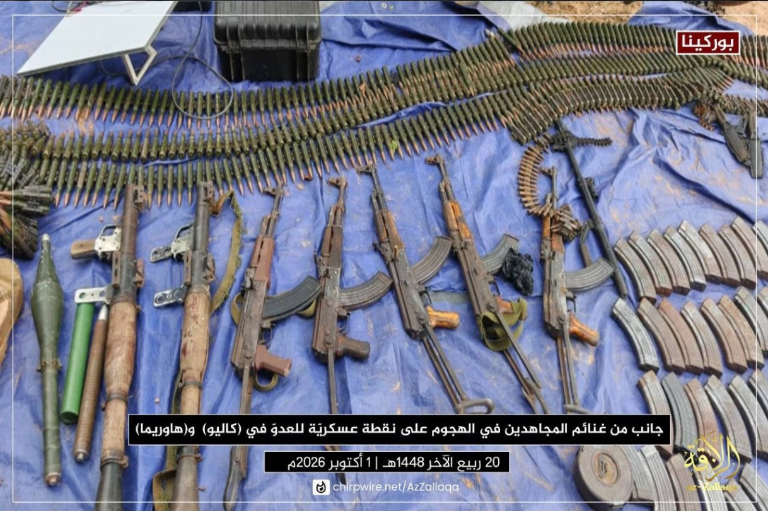
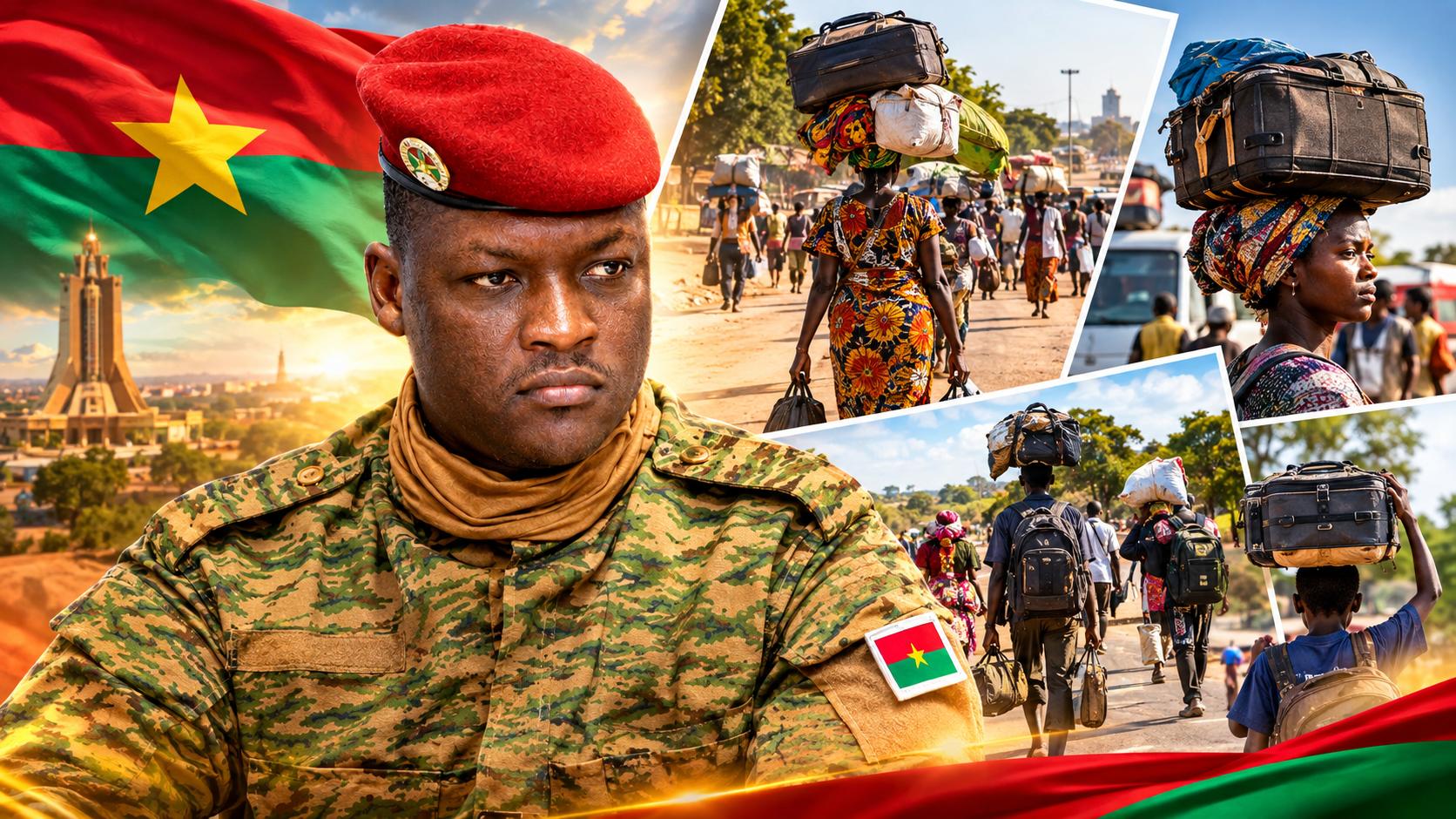
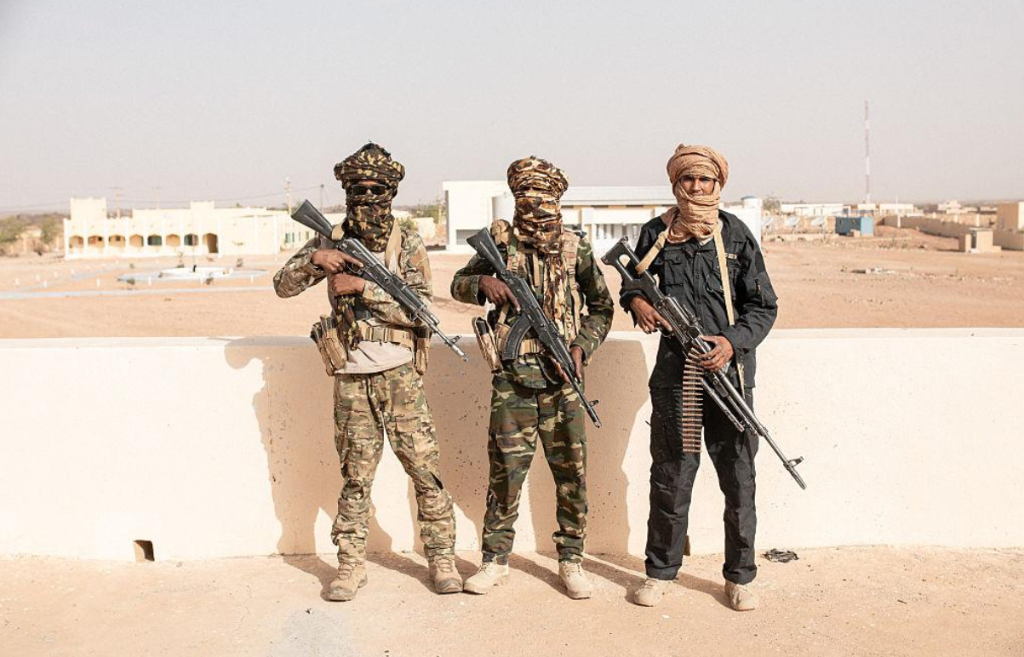
Regionally, the Beninese leader inherits a sensitive security dossier. The jihadist threat in the northern departments, bordering Burkina Faso and Niger, continues to demand substantial military resources and requires delicate diplomacy with Sahelian transition governments. The decisions made in the coming weeks on defense and regional cooperation will serve as a decisive marker of the successor’s political autonomy.
The first 100 days in office promise to be a high-stakes trial. Between appointing a government, setting the budgetary direction for the coming fiscal year, and managing relations with the opposition, Romuald Wadagni must prove that the professed continuity does not preclude genuine political transformation. His early moves suggest an attempt to strike this balance through a nuanced blend of disruption and preservation.