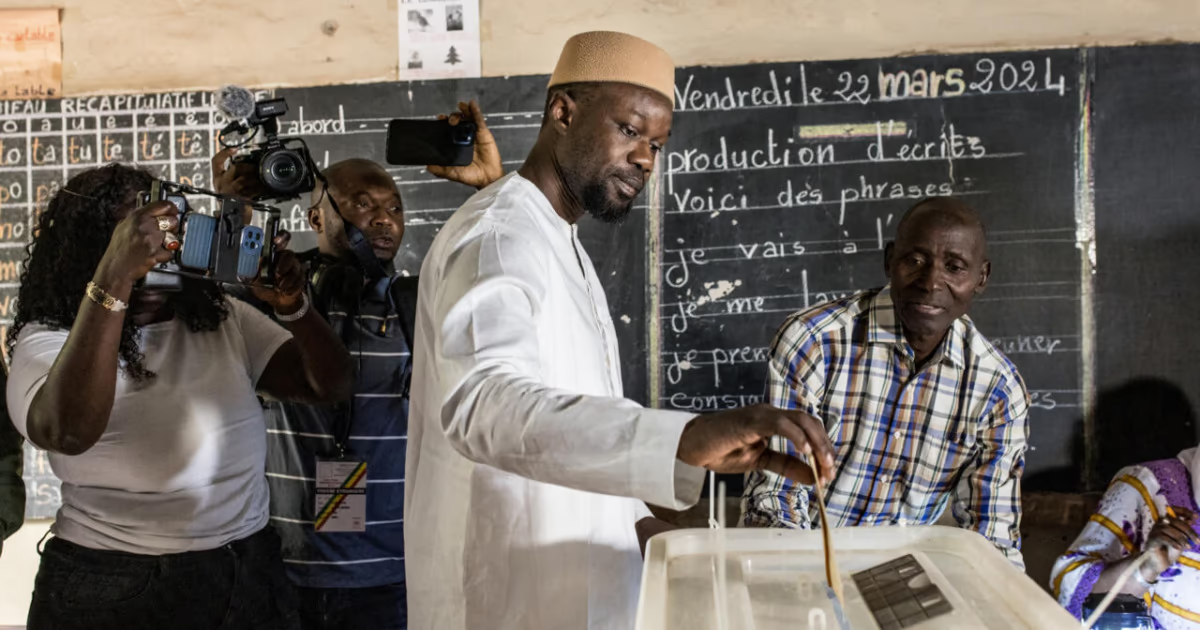
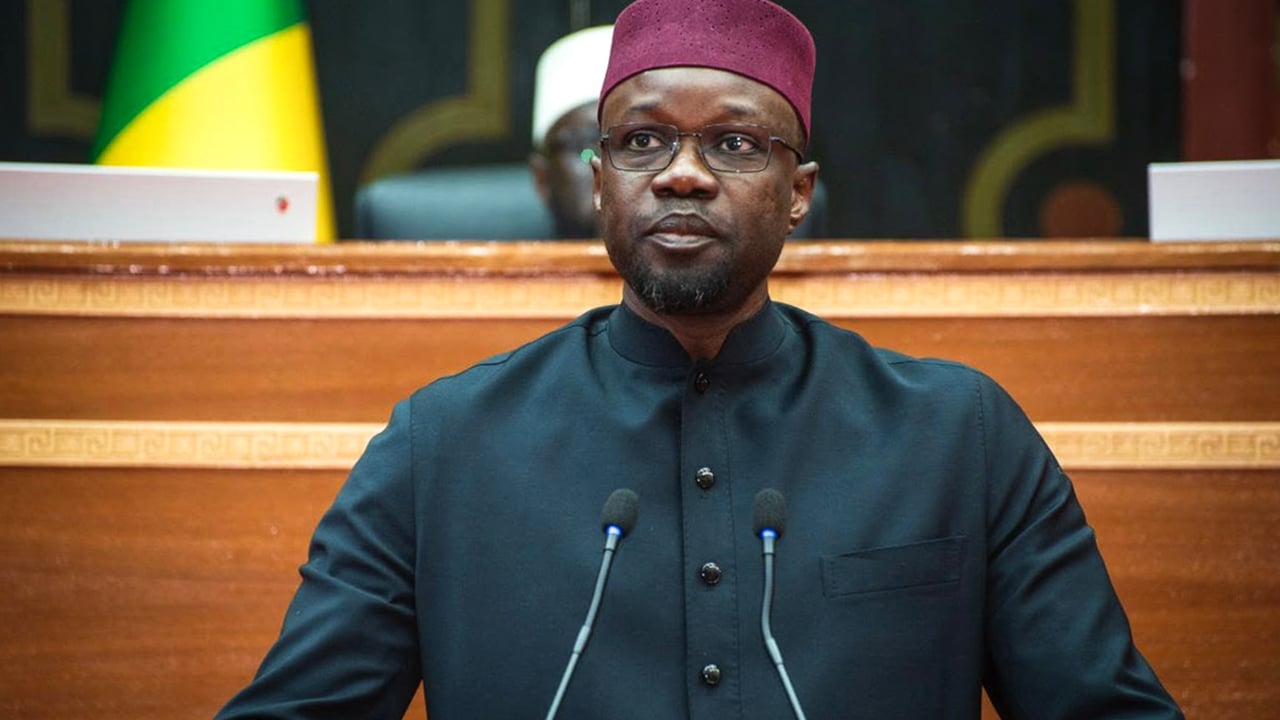
With the first ordinary congress of the African Patriots of Senegal for Work, Ethics and Fraternity (PASTEF) just days away on June 6, 2026, Secretary-General Ousmane Sonko has unveiled a comprehensive vision for the party’s future. His latest manifesto not only traces the movement’s humble origins but also charts a bold course for what he calls a transformative political shift.
In a detailed statement, Sonko reflects on the PASTEF’s beginnings in 2014, founded with little more than ambition and determination. « This party emerged from the streets, built by the people themselves, without financial backing or influential connections, » he emphasizes. The text positions him as both a founding leader and a strategic thinker, warning that political movements risk fading into obscurity without a clear ideology, strong organization, and long-term planning.
The congress as a turning point
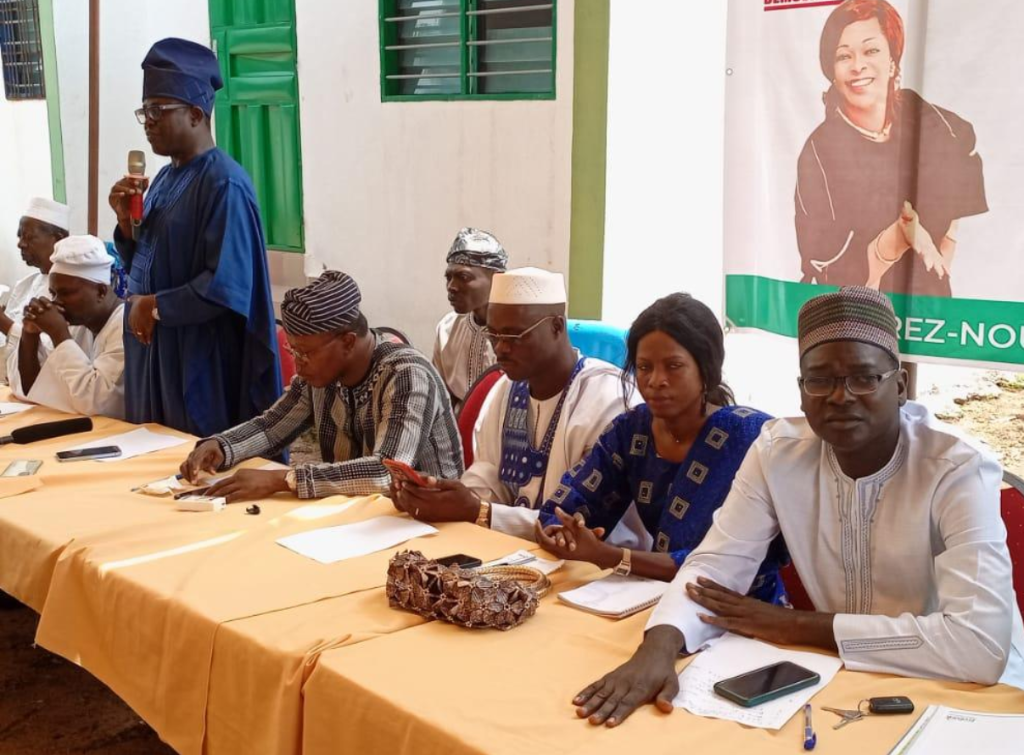
The upcoming gathering in June is framed as a defining moment for the party. Sonko describes the 2021–2024 protest movements as « one of the most intense periods in recent Senegalese history, » a time that reshaped the nation’s political landscape. Now, he aims to transition PASTEF from a grassroots movement into a fully structured political force. Delegates from across Senegal and the diaspora are set to ratify an ideological charter, strategic policy guidelines, party theses, and a general resolution that will shape the party’s identity for years to come.
Sovereignty redefined: a governance blueprint
The concept of sovereignty lies at the heart of Sonko’s vision. He rejects it as mere rhetoric, presenting it instead as « a governing method » that encompasses natural resource management, fiscal policy, agricultural strategy, education reform, and Senegal’s role on the global stage. His vision extends beyond politics, calling for the revitalization of national languages, a reclaiming of historical narratives, technological empowerment, and a commitment to continental integration.
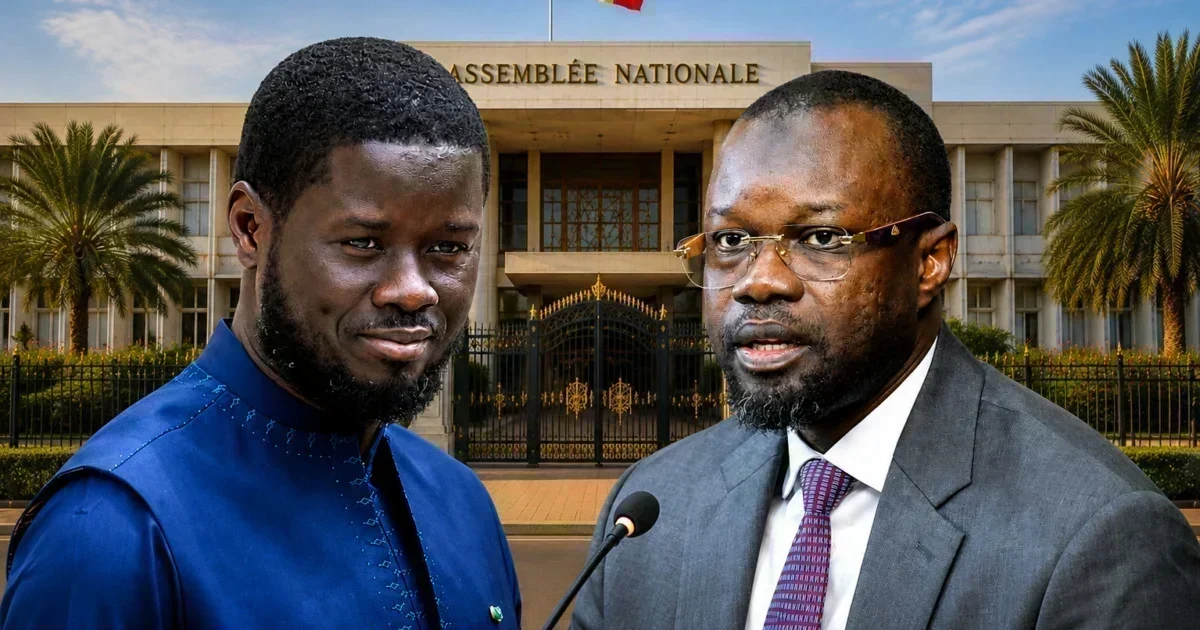
Sonko’s manifesto arrives at a critical juncture, amid internal government tensions and his own removal from office. Yet, the document signals a clear message: the PASTEF’s ideological direction will not be swayed by political turbulence. The founder is determined to anchor the party’s future in a unifying vision—one that blends national sovereignty with broader African solidarity.