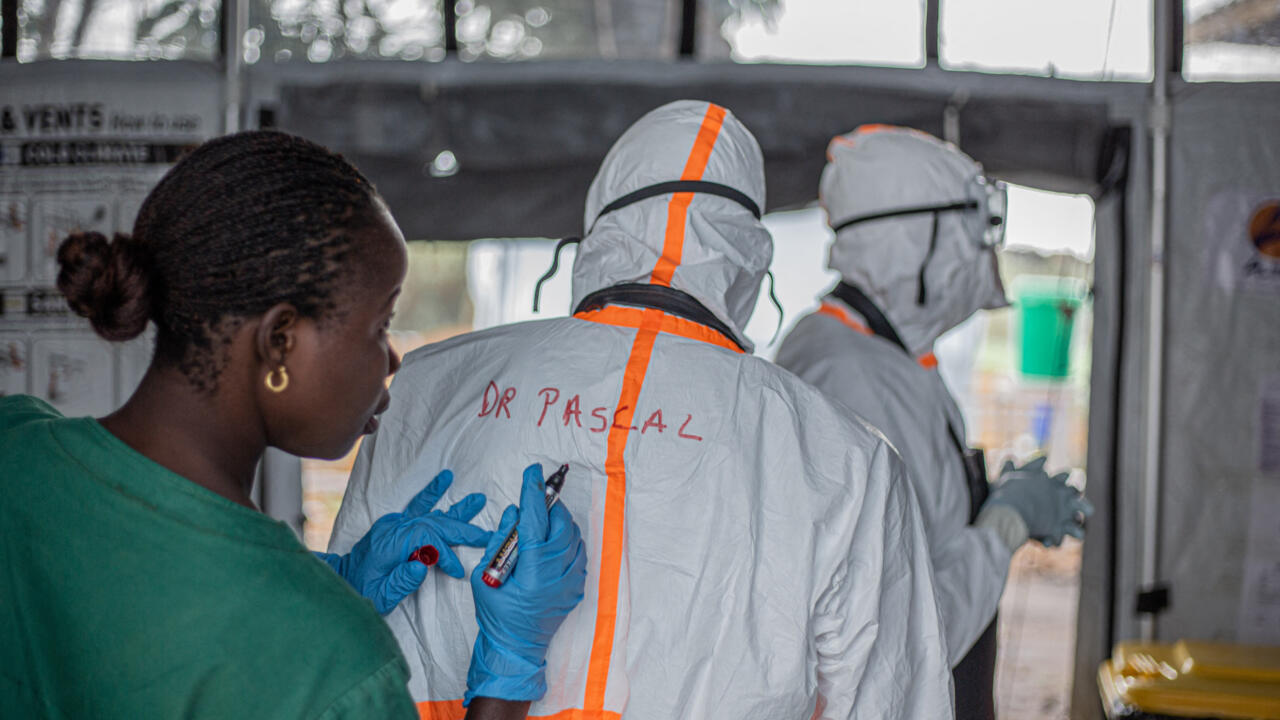
The World Health Organization is raising red flags. Two months after the declaration of the Ebola outbreak in the Democratic Republic of Congo, official figures released on July 15 show over 2,000 cases, including 796 deaths. Yet, the organization warns the actual number of infected individuals could be two to four times higher. What accounts for such a stark discrepancy? Why is this outbreak proving so difficult to contain? And can a groundbreaking clinical trial launched this week in Bunia shift the trajectory of the crisis?
Mounting concerns over undetected cases
Health experts are increasingly alarmed by the gap between reported figures and the suspected scale of the outbreak. Despite rigorous containment efforts, the spread of the virus appears to be accelerating in certain regions. The WHO has emphasized that asymptomatic cases and delayed reporting from remote areas may be contributing to the underestimation. Community resistance, logistical challenges in hard-to-reach zones, and the stigma surrounding the disease further complicate containment.
A race against time in Bunia
This week marked a critical development in the fight against Ebola in the DRC. In Bunia, a pioneering clinical trial for post-exposure prophylaxis has been initiated. This experimental treatment aims to prevent infection in individuals who have been in contact with confirmed cases. Health authorities are cautiously optimistic that this approach could significantly reduce transmission rates if proven effective. The trial’s launch underscores the urgency of the situation and the need for innovative solutions.
Why is this outbreak so persistent?
The DRC has grappled with multiple Ebola outbreaks in recent years, but this one presents unique challenges. The virus is spreading in a region marked by instability, poor infrastructure, and limited access to healthcare. Additionally, the frequent movement of populations across borders complicates efforts to isolate hotspots. The WHO and local health teams are working against the clock to trace contacts, vaccinate high-risk groups, and educate communities about prevention.
The stakes could not be higher. Failure to curb the outbreak could lead to catastrophic consequences, not just for the DRC but for neighboring countries. The international community is closely monitoring the situation, with support pouring in from global health organizations. Yet, the path to containment remains fraught with obstacles.
As the trial in Bunia gets underway, all eyes are on the results. Will this new approach be the turning point the region desperately needs? Only time will tell.