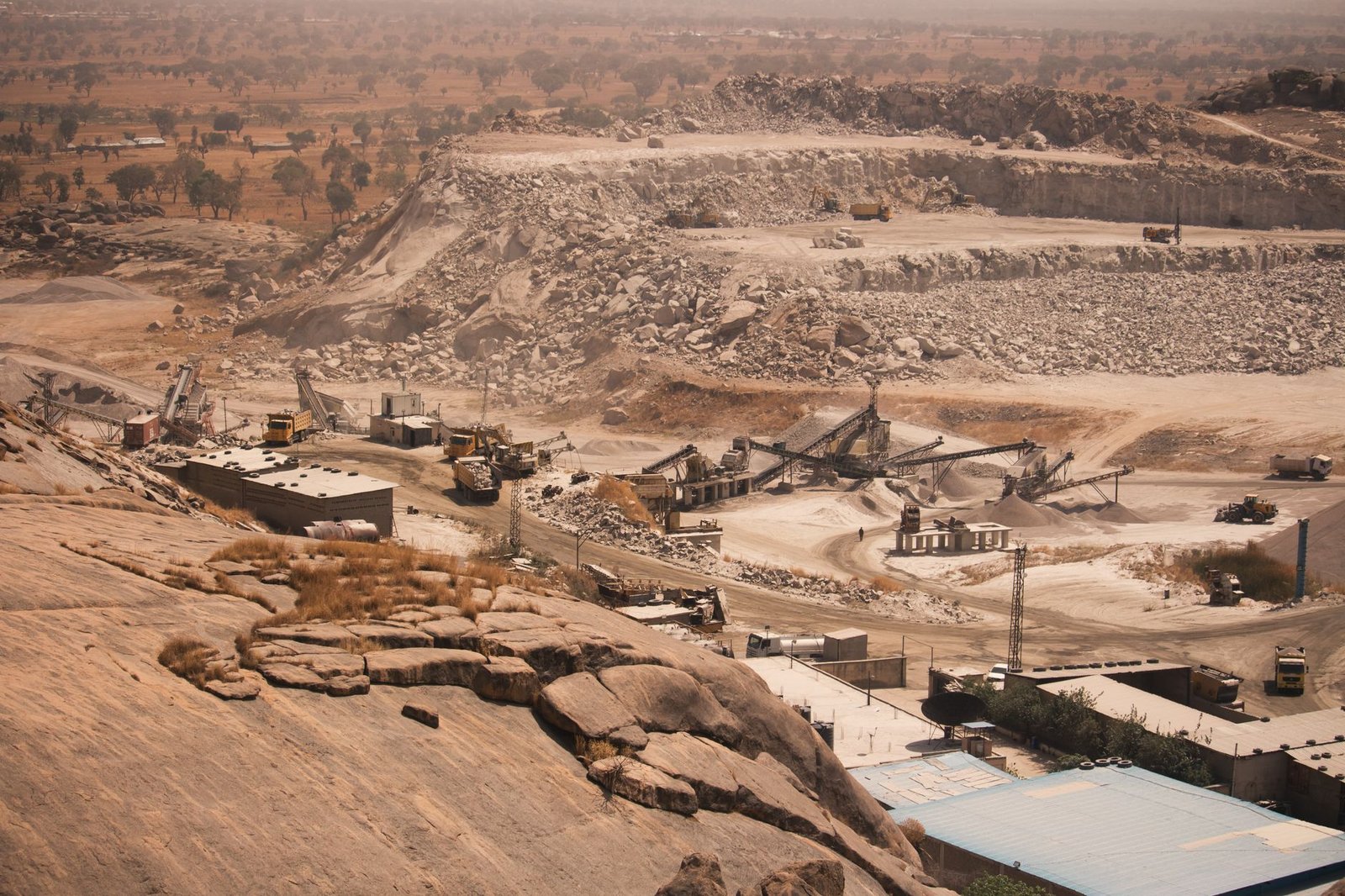
The Gabonese gold mining sector is entering uncharted territory with an unprecedented regulatory crackdown. The Ministry of Mines has initiated a sweeping audit of all gold mining permits nationwide, starting July 16, 2026. Every permit holder must submit complete administrative, technical, and financial documentation to a specialized commission. This initiative represents a decisive step toward greater transparency in a sector that has long operated in the shadows.
Mandatory compliance for all gold permit holders
All companies holding gold exploration or mining licenses will be summoned before regulatory authorities. The audit will scrutinize three critical dimensions: the legal validity of permits, the technical execution of mining operations, and the financial capacity of licensees to fulfill their contractual obligations. Authorities aim to verify that permit conditions are being met in practice, not just on paper.
The initiative isn’t merely about numbers—it’s about identifying genuine operators from what the industry calls “dormant titles.” These inactive permits block high-potential geological zones while depriving the state of tax revenue. Gabon’s approach mirrors a broader regional trend: neighboring countries in West and Central Africa have recently tightened permit renewal conditions to combat this issue.
Transforming a vital sector for national revenue
Gold has become increasingly vital to Gabon’s economic diversification strategy, which has historically relied on oil and manganese exports. The country aims to formalize its gold sector, which remains dominated by informal artisanal mining with significant revenue leakage. By formalizing industrial and semi-industrial operators, authorities hope to capture more of the gold production currently exported through untraceable channels.
However, this isn’t just about tax collection. The transitional government and subsequent administrations have emphasized resource sovereignty as a cornerstone of their economic policy. The gold permit audit serves as a litmus test for regulatory enforcement, particularly against operators tied to foreign groups or cross-border artisanal networks.
Consequences for non-compliant companies
Businesses failing to comply or unable to validate their permits face severe penalties, including permit revocation. Similar audits in other African jurisdictions have led to the cancellation of dozens of permits, freeing up mining blocks for redistribution through stricter bidding processes. For Libreville, this could mean targeted reallocation under enhanced financial and local content requirements.
International investors are closely monitoring the process. In extractive industries, where investment cycles span decades, legal predictability is paramount. A transparent, methodically executed audit with well-documented decisions could bolster Gabon’s appeal to foreign capital. Conversely, an opaque process risks deterring private investment at a time when the country seeks new industrial partners for its mineral wealth.
The timeline allows permit holders several weeks to prepare their documentation before facing the commission. The coming months will reveal whether this initiative sparks a true overhaul of Gabon’s gold mining landscape or remains a bureaucratic exercise. Insiders suggest the Ministry of Mines intends this to be a turning point in sectoral restructuring.