A thaw in relations: Bénin and Niger edge closer to reopening shared borders
After years of strained relations that led to a complete border shutdown, Bénin and Niger have taken decisive steps toward restoring cross-border movement and economic cooperation. The breakthrough came during intensive two-day negotiations in Cotonou, where senior officials from both nations finalized key agreements addressing security, trade facilitation, and long-standing disputes.
The weekend discussions marked a turning point in what had been a protracted standoff between the neighboring countries. Both delegations emerged with a shared commitment to normalize relations and revive the economic ties that once made this one of West Africa’s most dynamic trade corridors.
Key agreements reached during high-stakes talks
A high-level Nigerien delegation led by General Mohamed Toumba, Minister of Interior, Public Security, and Territorial Administration, engaged in marathon sessions with Bénin counterparts over the weekend. The meetings concluded with preliminary accords covering several critical areas:
- Security cooperation: Enhanced joint patrols and intelligence-sharing to combat cross-border crime and terrorism
- Trade facilitation: Elimination of transit duties and revision of tariffs to reduce costs for merchants
- Regulatory alignment: Harmonization of customs procedures and prohibition of certain goods deemed harmful to local markets
- Dispute resolution: Establishment of mechanisms to address outstanding legal and commercial conflicts
General Toumba emphasized the strategic importance of dialogue, stating, “We have secured our security priorities and laid the groundwork for economic and legal normalization. This approach will create value for our economies, safety for our people, and hope for our youth.”
Bénin’s leadership drives diplomatic thaw
The momentum for rapprochement gained speed following Bénin’s presidential transition in April. Within weeks of taking office, President Romuald Wadagni embarked on a landmark visit to Niamey, the first step in breaking the diplomatic freeze that had persisted since 2023. His visit set the stage for the technical-level talks that have now produced tangible results.
In a joint communiqué issued after their meeting, Presidents Abdourahmane Tiani of Niger and Romuald Wadagni of Bénin pledged to establish a joint commission to investigate the events leading to the border closure. The commission will also identify measures to lift all remaining obstacles to deeper cooperation.
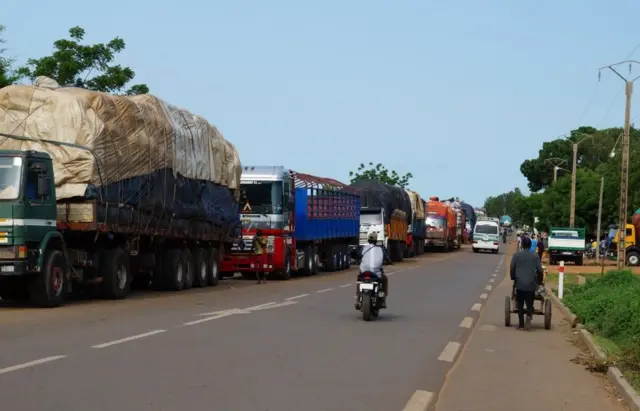
Local transporters have greeted the developments with cautious optimism. “Every driver in Bénin and Niger longs for the day the border opens,” said a spokesman for the Bénin haulage collective. “We hope our suffering will finally end.”
Origins of a three-year rift

The deterioration of Bénin-Niger relations followed the July 2023 coup in Niger, which brought General Abdourahmane Tiani to power. The new military leadership accused the previous Bénin administration of plotting with regional actors to restore constitutional order through military intervention—a claim Cotonou and Paris consistently denied.
Accusations of harboring foreign troops and supporting armed groups further deepened the divide. Niger also criticized Bénin’s decision to comply with ECOWAS sanctions, including the closure of land borders. The rift widened with mutual allegations of backing coup plotters and armed factions, culminating in a complete breakdown of diplomatic and commercial ties.
Economic fallout hits communities on both sides
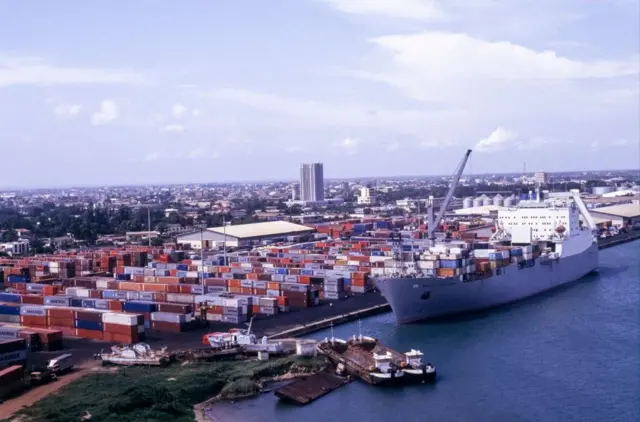
Once a thriving commercial artery, the Bénin-Niger border closure transformed a vital West African trade route into a geopolitical fracture line. The economic consequences have been severe on both sides of the divide.
For landlocked Niger, Cotonou Port served as its primary gateway to global markets. The prolonged closure disrupted imports and exports, forcing Nigerien businesses to reroute shipments through Lomé—adding time, cost, and security risks. Truckers now face longer journeys through Burkina Faso, where they contend daily with jihadist threats.
On the Bénin side, the crisis devastated local economies along the northern border. Once-bustling warehouses in Cotonou, handling goods destined for Nigerien markets, now stand nearly empty. The suspension of Nigerien oil loading at the Seme-Kpodji terminal further crippled port activity, while alternative routes through Togo increased operational expenses for transporters.
Transport sector leaders warn that without immediate normalization, the damage to regional integration will be lasting. “This corridor was the safest, most cost-effective route for our industry,” noted a Nigerien trucking association official. “Its closure has pushed thousands of families into hardship.”
With the new agreements now awaiting final approval from both governments, communities on both sides of the border are watching closely. A return to normalcy would not only restore livelihoods but also revive a partnership that once anchored West Africa’s economic resilience.