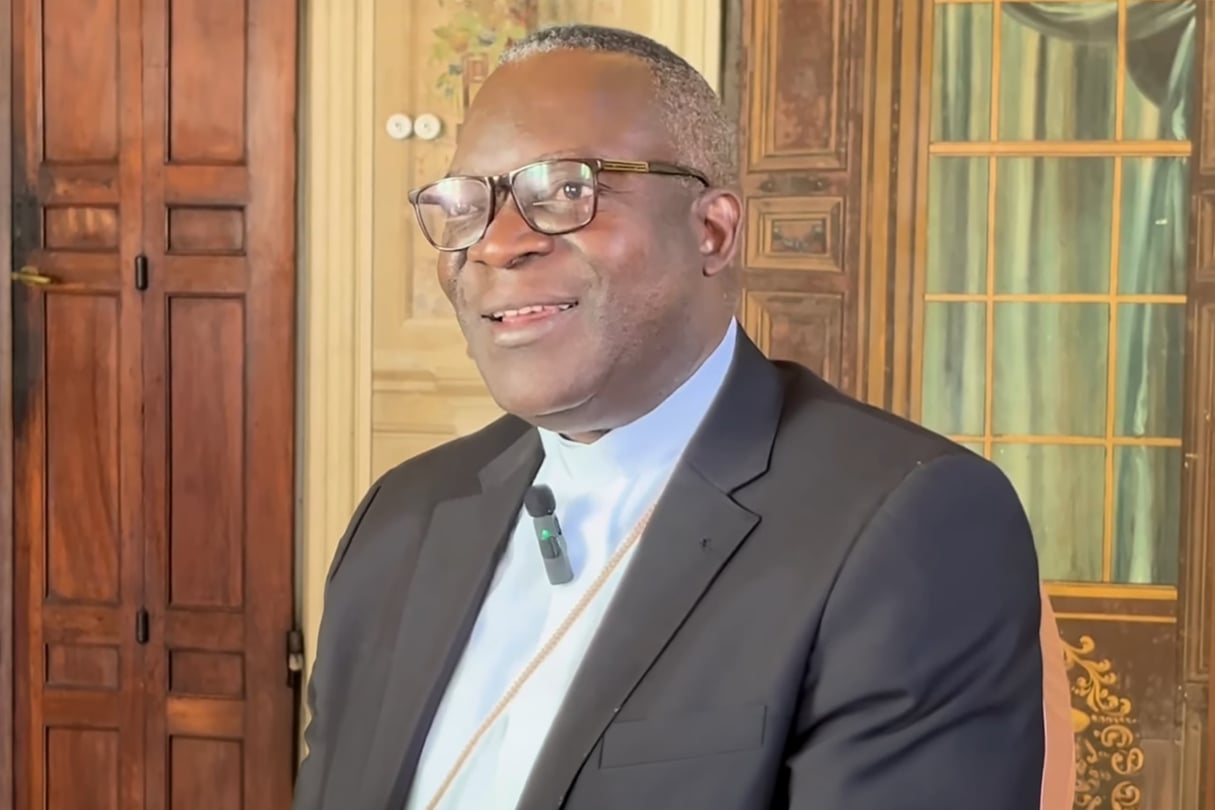
In the heart of a nation gripped by conflict, the National Episcopal Conference of Congo (Cenco) has raised a critical voice against the proposed constitutional referendum. Mgr Fulgence Muteba, President of Cenco, emphasized that holding such a vote under current conditions would be both untimely and risky.
The bishops’ stance comes at a time when the Democratic Republic of Congo (DRC) is grappling with persistent instability, particularly in the eastern regions. The proposed referendum, intended to potentially extend political mandates, has sparked widespread debate about its necessity and timing.
Mgr Muteba articulated his concerns in no uncertain terms, stating that the referendum is not a priority in a country already torn apart by war. The humanitarian crisis, fueled by ongoing clashes between armed groups and government forces, has displaced millions and left communities in dire straits. For the bishops, the focus should remain on resolving the conflict and alleviating the suffering of the Congolese people.
Why the referendum is seen as a misstep
The Cenco has long been a vocal advocate for peace and stability in the DRC. In their view, the referendum could further destabilize the country by diverting attention and resources away from urgent humanitarian needs. Mgr Muteba pointed out that the timing of the vote is highly inappropriate, given the scale of the crisis.
- Humanitarian priorities: With over a million internally displaced persons and a healthcare system under severe strain, the bishops argue that the government’s energy should be channeled toward addressing these pressing issues.
- Political legitimacy: The referendum’s potential to prolong political mandates without broad consensus risks deepening divisions in an already polarized society.
- Security concerns: The volatile security situation in the east, where armed groups continue to operate, makes it unsafe to hold a nationwide vote that could further inflame tensions.
In a recent statement, Mgr Muteba underscored that the referendum’s timing contradicts the principles of responsible governance. He called for a national dialogue to address the root causes of the conflict and ensure that any constitutional changes receive the broad support of the Congolese population.
Reactions and implications
The bishops’ opposition to the referendum has resonated with many civil society groups and opposition figures who share similar concerns. Critics argue that the proposed changes could undermine democratic progress and entrench power imbalances. Meanwhile, supporters of the referendum contend that it is a necessary step to modernize the country’s governance structures.
Mgr Muteba has urged all stakeholders to approach the situation with caution, warning that rushing constitutional reforms without addressing the underlying issues could lead to greater instability. The Cenco has pledged to continue advocating for peace, justice, and reconciliation as the DRC navigates this turbulent period.
The debate over the referendum highlights the complex challenges facing the DRC as it seeks to balance political ambitions with the needs of its people. For now, the bishops’ message serves as a stark reminder of the importance of prioritizing peace and stability in a nation still reeling from decades of conflict.