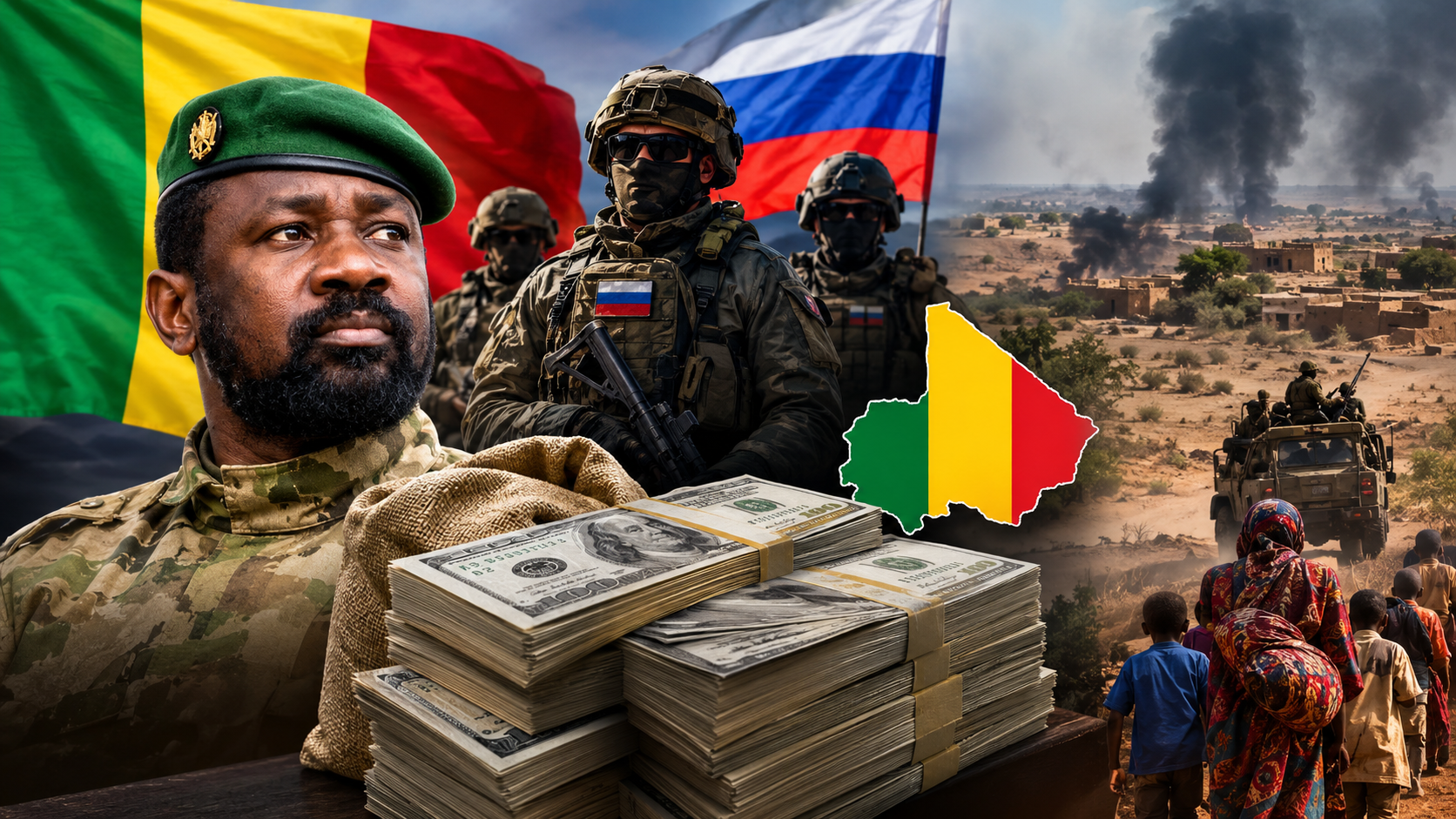
In the heart of the Sahel, a shadow war is unfolding—one that pits Western influence against a rising tide of Kremlin-backed ambition. Africa Corps, Moscow’s latest military venture in Africa, has just suffered a major setback in Mali, where a strategic stronghold fell to rebel forces after years under its control. This development underscores the shifting sands of power in a region long contested by global powers.
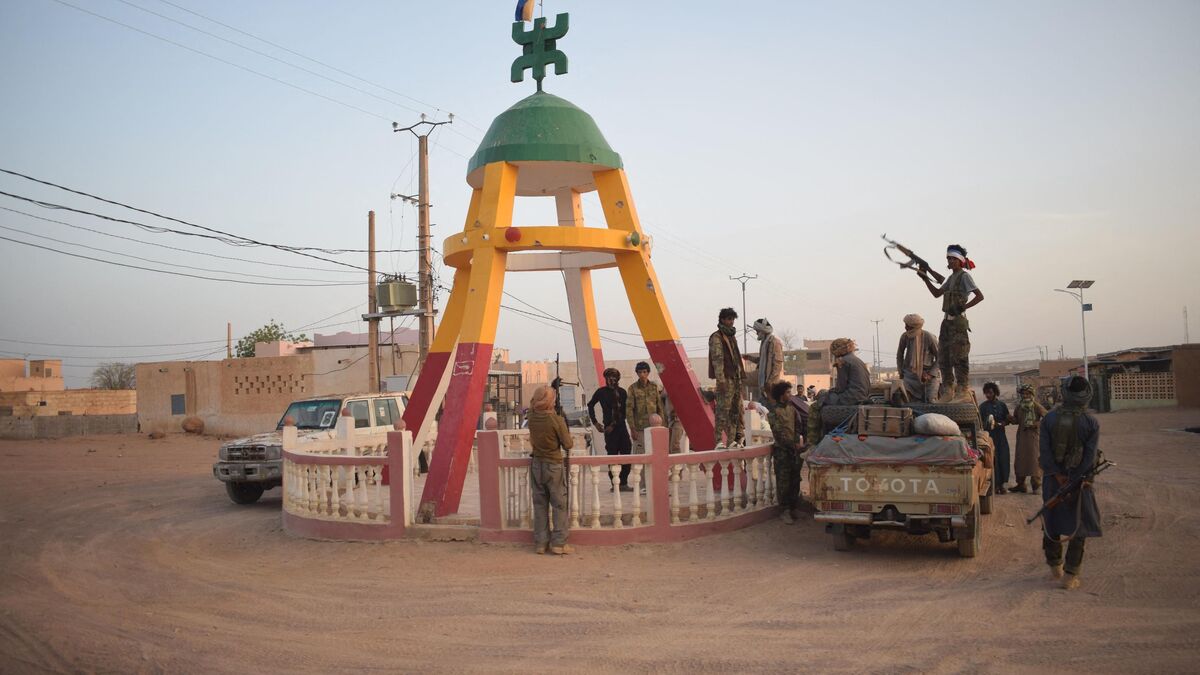
Last weekend’s clashes in Kidal, a former bastion of the Malian junta’s authority, marked the abrupt withdrawal of Africa Corps after prolonged resistance. The group, widely regarded as the Kremlin’s most covert military asset abroad, had held the city for years, serving as both a shield for Bamako’s military government and a symbol of Russia’s growing footprint in West Africa. Its retreat, though orderly, signals the fragility of Moscow’s strategy amid escalating armed resistance.
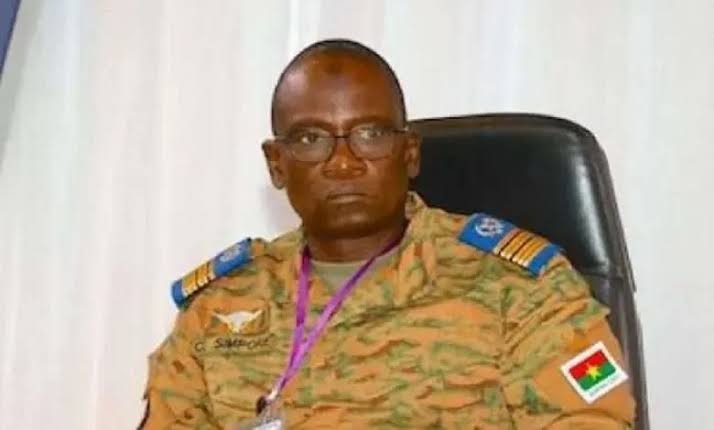
The retreat from Kidal followed a weekend of coordinated attacks by Islamist militants and Tuareg rebels across multiple fronts. In the capital, the Malian defense minister was killed in an assault on his residence—a blow that exposed the vulnerabilities of a regime heavily reliant on foreign mercenary forces. Meanwhile, in the east, rebels seized Kidal after intense fighting, forcing Africa Corps to abandon its position under uncertain terms.
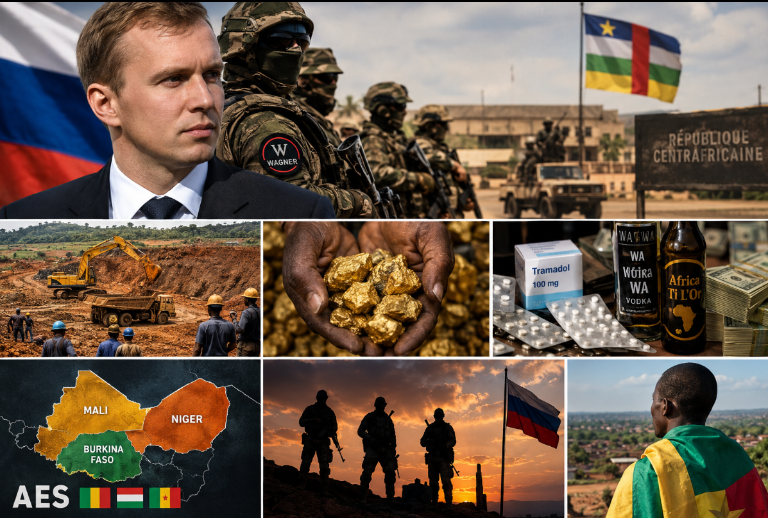
Africa Corps emerged publicly in late 2023, when military blogger Deux Majors revealed its formation on Telegram. The announcement cited Igor Korotchenko, a former Russian colonel and Kremlin-aligned analyst, who described the group as an extension of Moscow’s military doctrine. Officially, it operates under the oversight of Yunus-bek Evkurov, Russia’s deputy defense minister—a stark contrast to the semi-autonomous structure of its predecessor, the Wagner Group.
The timing of Africa Corps’s creation was no coincidence. It arrived as Wagner’s star was fading, following the death of its founders, Yevgeny Prigozhin and Dmitry Utkin, in a 2023 plane crash under mysterious circumstances. Prigozhin, once a close ally of President Vladimir Putin, had briefly challenged the Kremlin’s authority before his demise. With Wagner’s global operations in disarray, Africa Corps was positioned as its successor—a more centralized and disciplined force, directly answerable to Moscow.
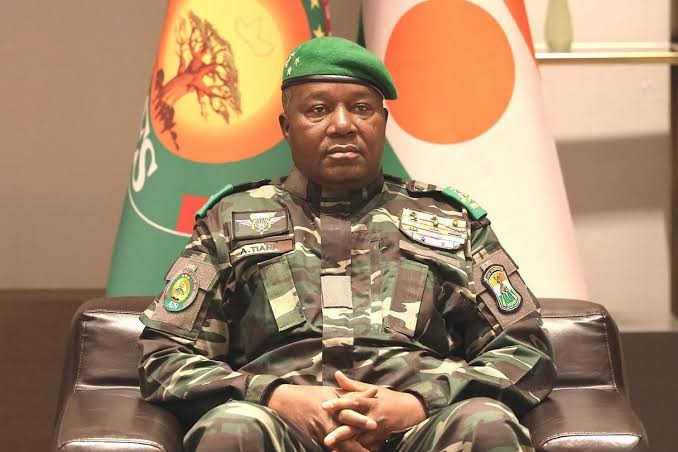
The new group’s mission is explicitly political. According to Korotchenko, its objectives include conducting large-scale military operations across Africa to help nations break free from neocolonial dependence, expel Western influence, and reclaim full sovereignty. The rhetoric mirrors the anti-Western narratives that have gained traction in Sahel capitals like Ouagadougou, Niamey, and Bamako, where governments have severed ties with former colonial powers.
Unlike Wagner, which was frequently accused of brutal tactics and human rights abuses, Africa Corps presents itself as a more pragmatic alternative. Its strategy hinges on deepening military partnerships with allied governments, offering troops, weapons, and logistical support in exchange for political loyalty. The approach has borne fruit in Libya, Sudan, the Central African Republic, and—until recently—Mali. In the latter, hundreds of Africa Corps fighters deployed under the guise of stabilizing the junta, though their departure from Kidal has raised questions about their long-term viability.
Moscow’s ambitions in the Sahel extend beyond mere security cooperation. Analysts warn that Africa Corps is a tool for securing access to critical resources and migration routes—a geopolitical chess move that positions Russia as a counterweight to Western dominance in the region. The group’s retreat from Kidal may be temporary, but it has exposed the limits of Moscow’s influence in a terrain where local insurgencies and shifting alliances hold the upper hand.
As the dust settles over Kidal, one thing is clear: Africa Corps is not gone, but its role is evolving. Whether it can survive the dual pressures of rebel resistance and internal Kremlin scrutiny remains to be seen. What is certain is that Moscow’s shadow war in Africa is far from over—and the Sahel remains its most volatile battleground.