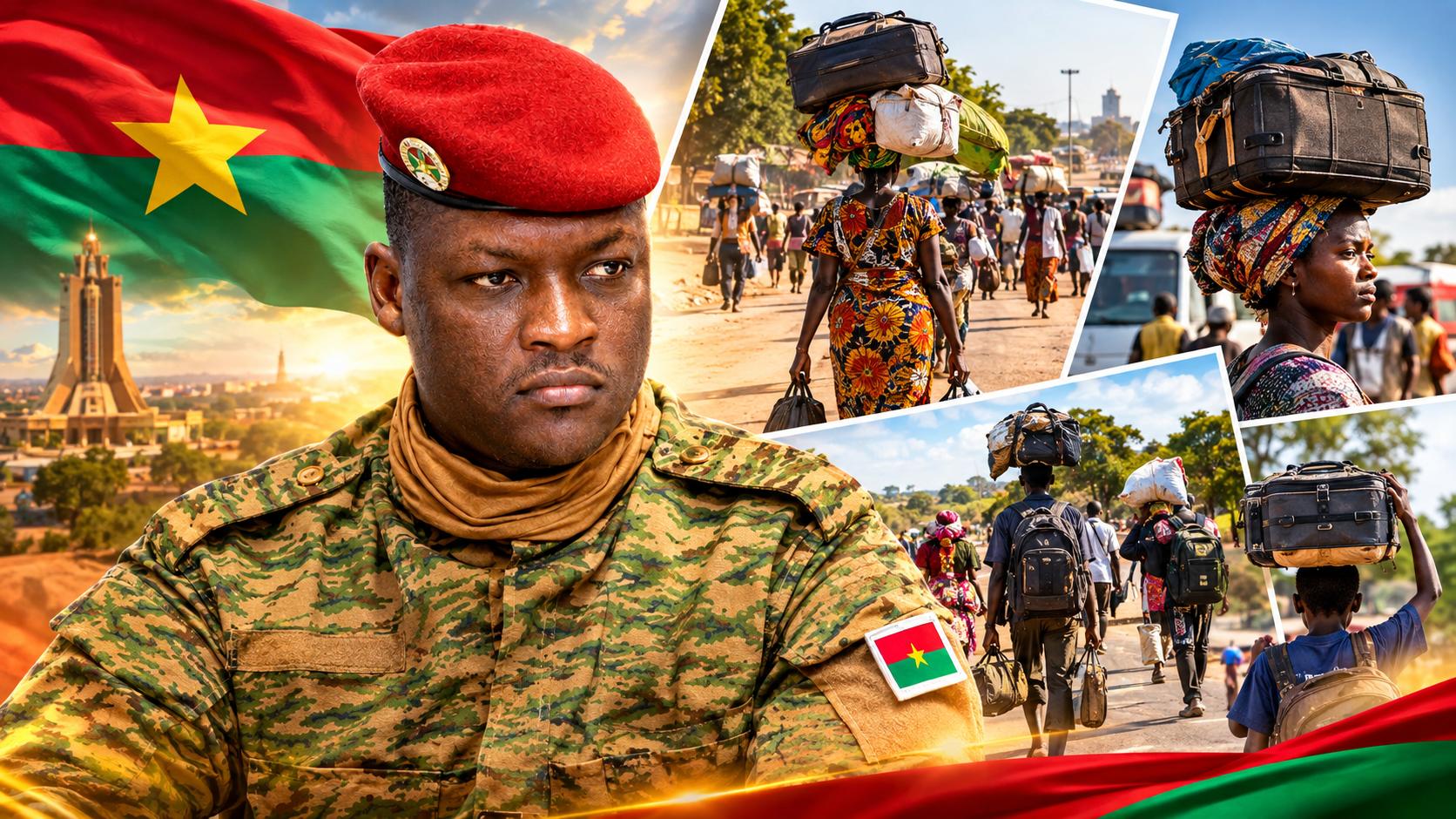
The Confederation of Sahel States (AES) is advancing its institutional framework as its founding member countries move toward establishing a unified parliamentary body. During a high-level meeting in Ouagadougou, the leaders of Burkina Faso, Mali, and Niger convened with Captain Ibrahim Traoré, the AES president, to discuss the imminent formation of the confederal parliament.
Following the discussions, officials confirmed that the appointment of deputies is expected shortly, paving the way for the assembly’s inaugural session. The new parliament’s primary responsibilities will include representing the populations of the three nations, supporting the AES’s institutional operations, and reinforcing the political vision championed by their governments.
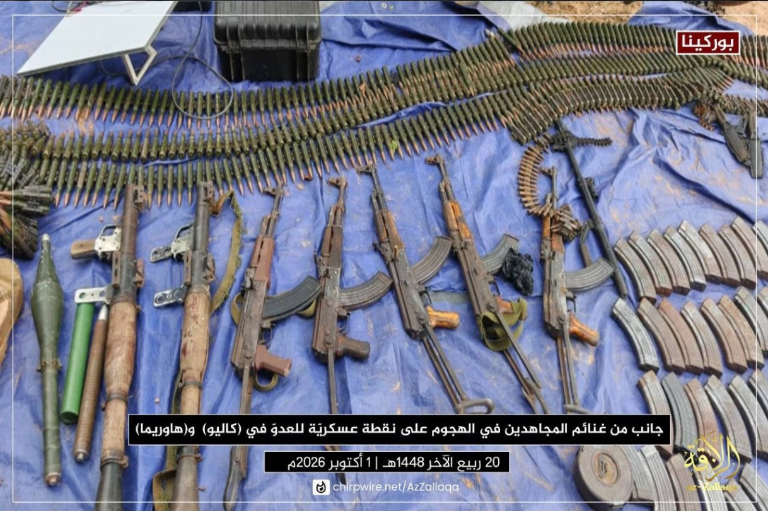
This development marks a significant milestone in the AES’s institutional development, particularly after its withdrawal from the Economic Community of West African States (ECOWAS). However, the timing of the meeting has drawn scrutiny amid escalating security challenges. In recent weeks, Burkina Faso, Mali, and Niger have faced a surge in jihadist attacks, some unprecedented in scale, resulting in substantial losses for both military forces and civilians.
Critics question whether the prioritization of parliamentary establishment overshadows the immediate need for a coordinated security response. While acknowledging the long-term benefits of a unified parliament, skeptics argue that such a focus may be misinterpreted by citizens who urgently demand tangible solutions to the growing violence.
The formation of the AES parliament also signals a deeper political divide in West Africa. By solidifying its own governance structures, the alliance asserts its independence from ECOWAS, potentially deepening the rift between the two regional blocs and complicating future efforts toward broader political and security cooperation.