Senegal infrastructure crisis
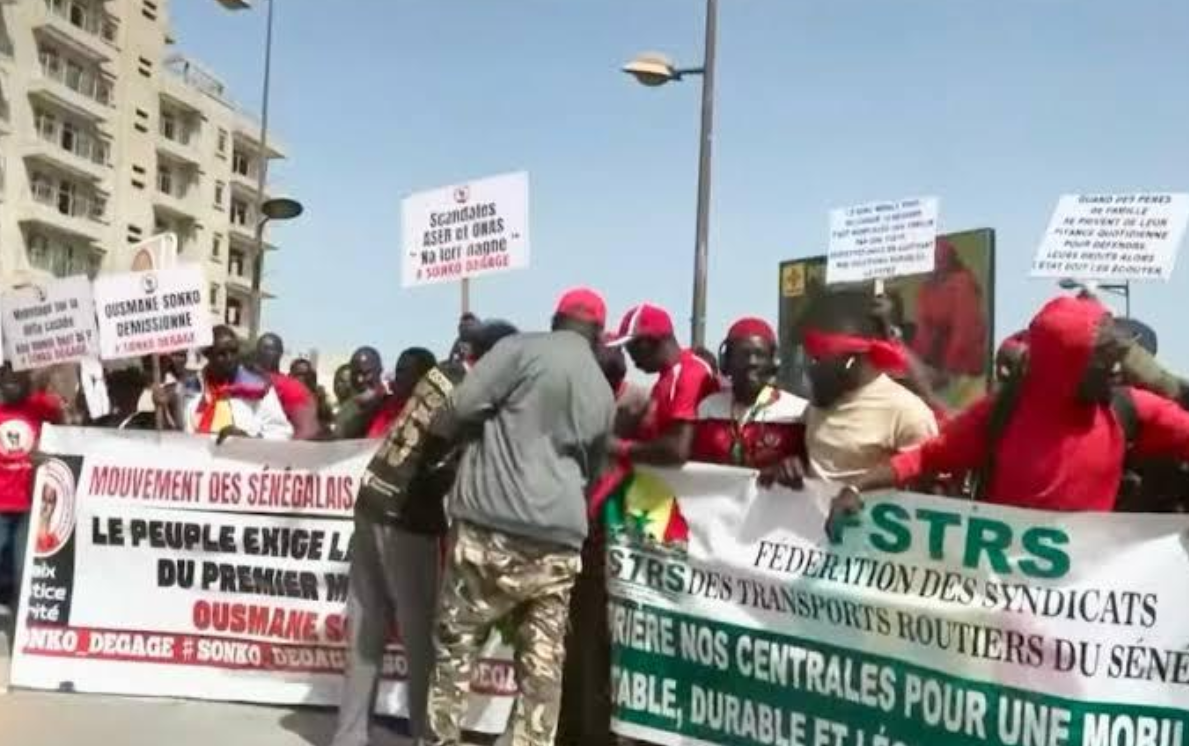
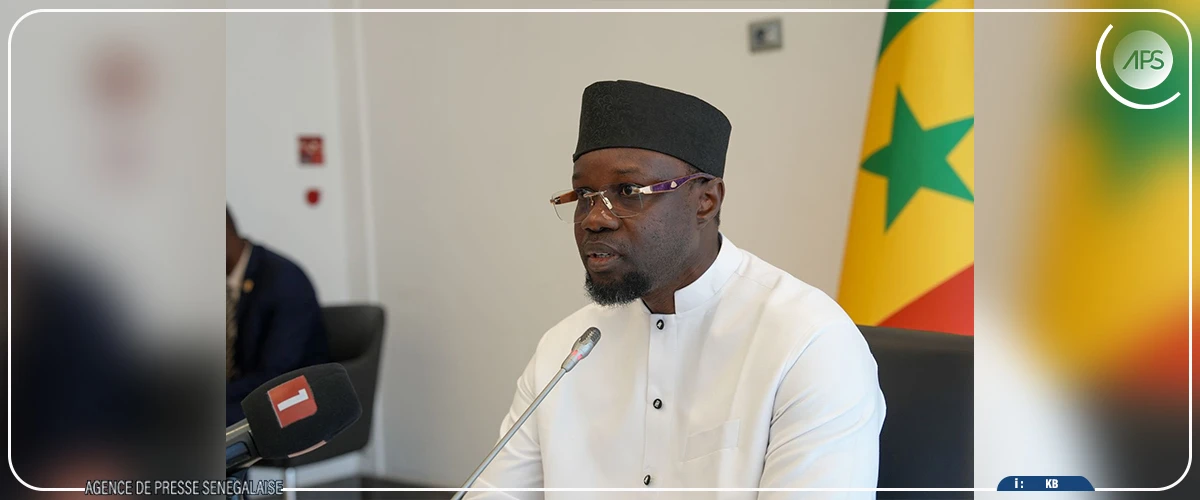
Dakar — A staggering 245 infrastructure projects have ground to a halt across Senegal, representing a staggering 279 billion CFA francs in public investment that remains locked away in dormant assets. Prime Minister Ousmane Sonko revealed these figures during a high-level inter-ministerial meeting on infrastructure development in the capital.
The revelation came after an April 15 cabinet session tasked ministers with identifying stalled projects within their respective sectors. Sonko confirmed that 245 projects—either completed but not operational or still under construction—have been flagged as non-functional, creating massive financial inefficiencies.
Financial shortfalls emerge as the primary culprit behind these stoppages, though technical complications have also played a role in derailing progress. Sonko emphasized that many of these projects, once completed, risk becoming white elephants—infrastructure built but never put to productive use.
In response, the Prime Minister announced immediate measures to address the crisis. A dedicated committee will be established at the Prime Minister’s office to finalize and expand the current inventory, which he believes is far from comprehensive. Additionally, Sonko called for proactive measures to prevent technical hurdles in critical utility connections—particularly for water and electricity networks—that often derail infrastructure rollouts.
Planning oversights compound the problem, Sonko noted. Many projects were initiated without a clear operational strategy, leaving them incomplete or unusable upon completion. The resulting financial drain—279 billion CFA francs in wasted resources—has become impossible to ignore.
Accountability takes center stage
Sonko spared no words in condemning the inefficiencies plaguing Senegal’s infrastructure sector. He labeled the delays and failures as unacceptable, attributing them to negligence, recklessness, and systemic laxity. “There must be zero tolerance for such waste,” he declared, signaling a firm stance against future mismanagement.
The Prime Minister’s remarks underscore a broader push for reform, as Senegal seeks to unlock the full potential of its infrastructure investments and avoid further financial hemorrhage.