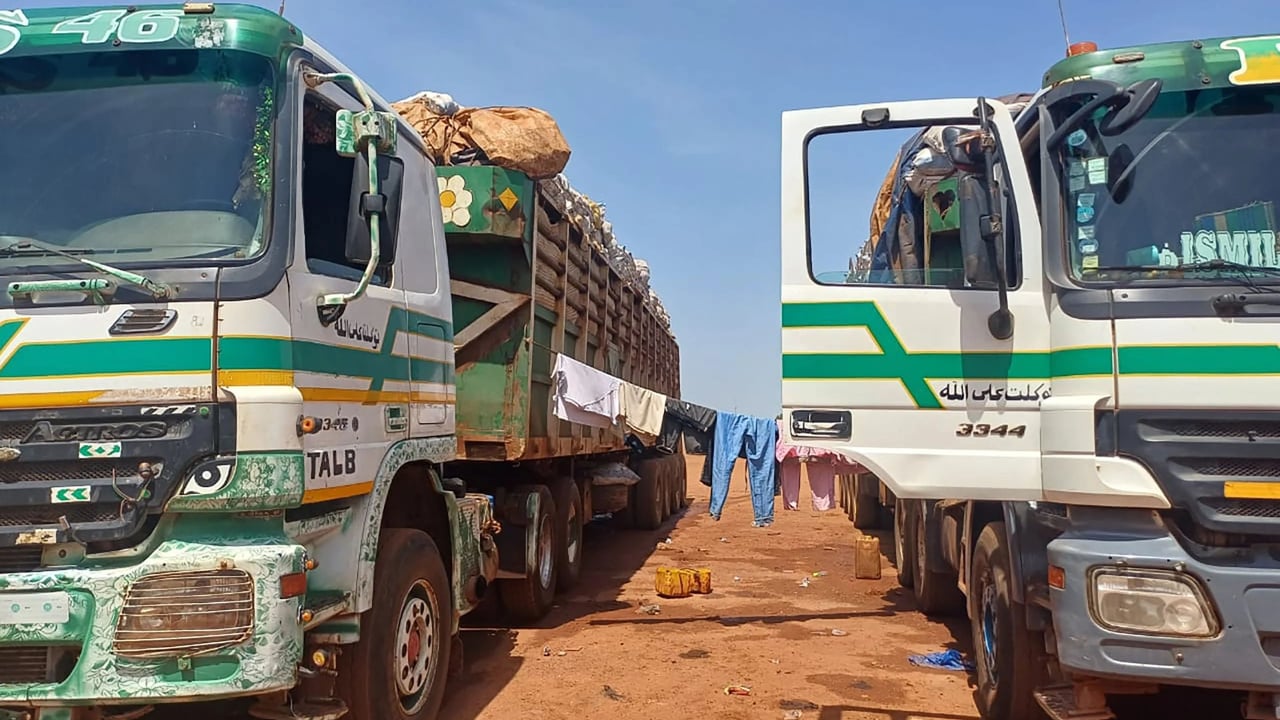

The critical transport corridor between Dakar and Bamako has been abruptly halted, disrupting trade flows across West Africa. Heavy goods vehicles are stranded near the border town of Kidira, Senegal, following escalating security tensions that have intensified in recent days.
The disruption stems from heightened military activity in the border regions, prompting authorities to restrict movement along this vital route. Truck drivers report being unable to proceed toward Mali, with checkpoints and security patrols blocking passage. The situation has left dozens of cargo transporters in limbo, raising concerns about shortages of essential goods in Malian markets.
Impact on Regional Trade and Supply Chains
This vital link between Senegal and Mali is a lifeline for agricultural products, manufactured goods, and fuel. The interruption threatens to disrupt supply chains that depend on this route for transporting goods between the two nations. Local traders in Dakar and Bamako are already reporting delays in deliveries, with some perishable items at risk of spoilage.
Economic analysts warn that prolonged closures could lead to price surges in Mali, where inflation remains a persistent challenge. The suspension also affects neighboring countries like Côte d’Ivoire and Burkina Faso, which rely on this corridor for transit trade.
Security Measures Tighten Across the Sahel
While the immediate cause remains under investigation, the closure reflects broader security challenges in the Sahel. Militant groups have escalated attacks in border areas, prompting governments to reassess transit policies. Authorities in Senegal have reinforced patrols along the route, citing intelligence suggesting potential threats.
For truckers, the uncertainty is compounded by lack of clear communication from officials. Many have been forced to reroute through alternative paths, adding significant delays and costs. Some are considering temporary storage solutions near Kidira while awaiting further instructions.
Stakeholder Reactions and Future Outlook
Business associations in both countries are urging swift resolution to restore normalcy. The Senegalese Chamber of Commerce has called for dialogue with Malian counterparts to address the impasse. Meanwhile, Malian importers are scrambling to secure alternative routes, though options remain limited.
The situation underscores the fragility of regional trade networks in the face of persistent security risks. As stakeholders navigate this disruption, the need for coordinated regional strategies to safeguard critical supply chains becomes increasingly urgent.