In Douala, the Jambo FM radio station has taken a bold step by placing its most strategic time slots in the hands of a young editorial team. These professionals are currently fighting to maintain their autonomy and withstand various forms of intimidation.
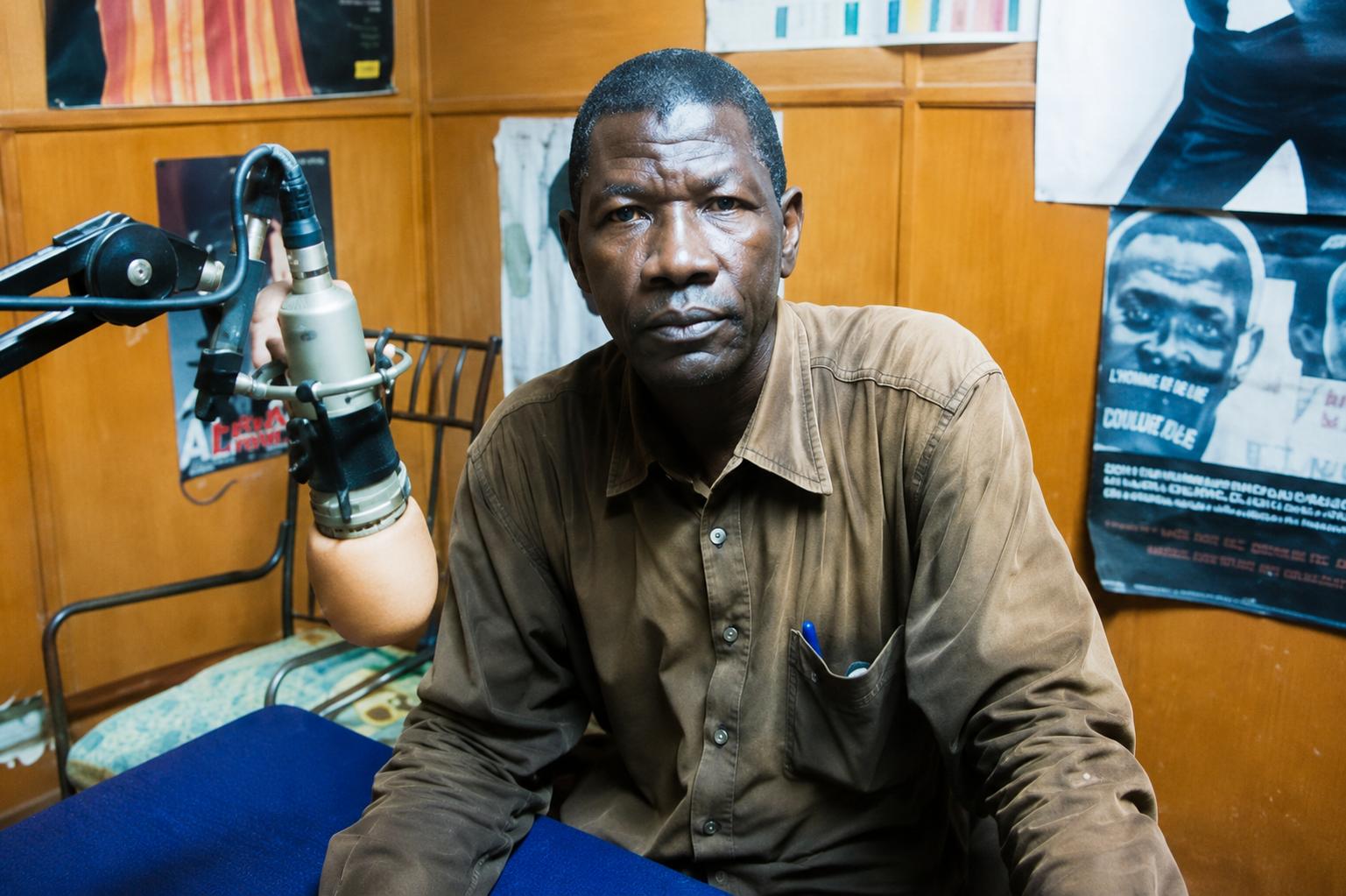
Located at the Entrée de la gare in the lively Deido neighborhood, the studios of Jambo FM are filled with a unique energy. General Manager Antoine Landry Lemogo, widely known as President Tchop Tchop, has decided to challenge the status quo by entrusting his airwaves to the youth.
“To move forward today, we have no choice but to rely on the youth, who bring energy and a certain fearlessness. The country is currently led by people of an advanced age whose primary concern is survival. We cannot criticize this and then fail to give young people space in our own companies to build the future,” he explains.
One of the prominent female journalists at the station shares that managing high-stakes debates is not a matter of gender. Instead, it relies on thorough preparation and a broad cultural understanding. She notes that with the right expertise, a host knows exactly how to manage both guests and listeners during a live broadcast.
Civic education and the risks of live broadcasting
On the flagship program Big Morning, interaction with the public is constant. However, the nature of live radio is a balancing act between providing civic education and managing the risk of inflammatory comments.
Jordan Sorel Timba, another young member of the team, emphasizes a philosophy of constructive criticism.
“Our goal is not to dismantle the current government; we are here to point out the problems within our society. We also acknowledge when the government succeeds, such as the recent efforts by Laquintinie Hospital to save a young citizen. If a caller begins to lose control or behave inappropriately, we have no choice but to cut their microphone,” Timba says.
The history of violence against journalists, including the tragic assassination of Martinez Zogo, has made caution a necessity. For Tamo Tabe, who hosts the interactive show “Laissez parler les gens” from 9 a.m. to 11 a.m., the station’s phone lines have become a vital outlet for a population under immense pressure.
“Since citizens cannot easily express their indignation or protest in the streets for fear of being misidentified as threats, they turn to the radio. It has become a release valve, a place where people can pour out the rebellion they carry inside,” Tabe observes.
Every day, Jambo FM navigates the difficult path of telling the truth without being destructive or overly compliant. This effort to foster democratic dialogue comes decades after international agreements linked development support to the democratization of African nations.